An automatic water shut off valve is a device on your main water line that detects leaks or abnormal flow and shuts off water on its own, without anyone needing to be home. It uses sensors to monitor flow, pressure, or moisture, then closes automatically when it detects a problem.
A burst pipe or a supply line failure can dump water into a home in minutes, and most of the damage happens before anyone notices what’s going on. An automatic shutoff valve is designed to catch that moment and stop it, whether you’re asleep, at work, or away on vacation.
This article explains how these systems actually work, the main types available, what installation typically involves, and what to weigh when deciding if one makes sense for your home.
How an Automatic Water Shut Off Valve Works
At its core, the system pairs a shutoff valve on your main water line with sensors that watch for signs of a leak.
Detecting the Problem
Depending on the system, detection happens one of two main ways: monitoring water flow and pressure directly at the main line, or using separate moisture sensors placed around the home that trigger when they get wet. Some systems combine both approaches for broader coverage.
Closing the Valve
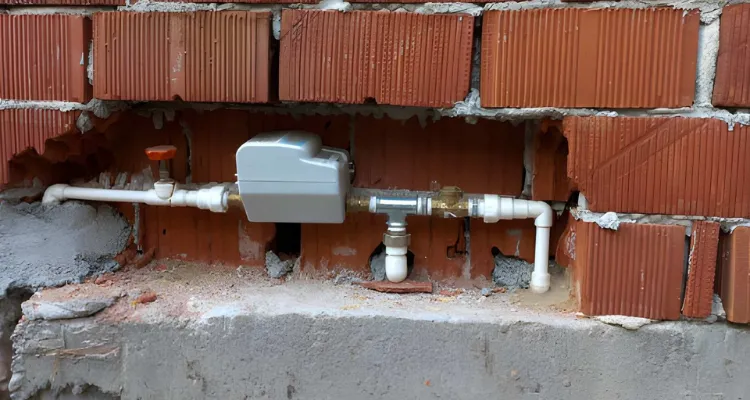
Once a leak or abnormal flow pattern is detected, the system sends a signal to a motorized valve, which closes automatically to stop water from continuing to flow into the home. Many systems also send an alert to your phone at the same time, so you know what happened even if you’re not there to see it.
Learning Normal Usage Patterns
Flow-based systems typically need a short learning period after installation, during which they establish what normal water use looks like in your home. This helps the system tell the difference between a running dishwasher and an actual leak, reducing false shutoffs once it’s fully calibrated.
Manual Override
Most systems include a way to manually open or close the valve regardless of what the sensors detect, whether through a physical switch, an app control, or both. This matters if you need to turn water off for planned maintenance or want to override a shutoff you know isn’t caused by a real leak.
Types of Automatic Water Shut Off Valves
Not all systems work the same way, and the type you choose affects both coverage and cost.
Whole-Home Flow-Based Systems
These systems monitor water flow and pressure at the main line itself, watching for patterns that suggest a leak, like water running continuously when no fixtures are in use. Because they monitor the entire water supply at one point, they can catch a leak anywhere in the home’s plumbing without needing sensors in every room.
Moisture Sensor Systems
These systems rely on individual moisture sensors, sometimes called pucks, placed near appliances, under sinks, or in other leak-prone areas. When a sensor detects water, it signals the main valve to close. This approach is good at catching leaks in specific, known risk areas but won’t catch a leak somewhere a sensor isn’t placed.
Combined Systems
Some systems pair whole-home flow monitoring with a handful of moisture sensors in high-risk spots, offering broader coverage than either approach alone. This tends to be the most comprehensive option, though it also usually comes with a higher upfront cost.
Smart, App-Connected Systems
Many current systems connect to your home Wi-Fi and a smartphone app, giving you real-time flow data, remote shutoff control, and alerts wherever you are. Older, non-connected systems still exist and function similarly for detection and shutoff, but without the remote monitoring and control features.
Freeze Detection
Some systems, particularly whole-home flow-based and combined systems, include temperature monitoring that can detect conditions likely to cause a pipe to freeze and burst. When triggered, these systems can alert you or shut off water proactively before a freeze-related failure happens, which is a useful feature in colder climates or for homes with pipes in unheated spaces.
Comparing the Main Types
| Type | How It Detects Leaks | Best For |
|---|---|---|
| Whole-home flow-based | Monitors flow and pressure at the main line | Catching leaks anywhere in the home’s plumbing |
| Moisture sensor | Detects water contact at sensor locations | Known risk areas like under sinks or near appliances |
| Combined system | Flow monitoring plus targeted moisture sensors | Broader coverage for homes wanting maximum protection |
| Smart, app-connected | Same detection methods, with remote app control | Homeowners who want alerts and control while away |
What’s Included in a Typical System
Most systems share a few core components, regardless of type or brand.
The Shutoff Valve
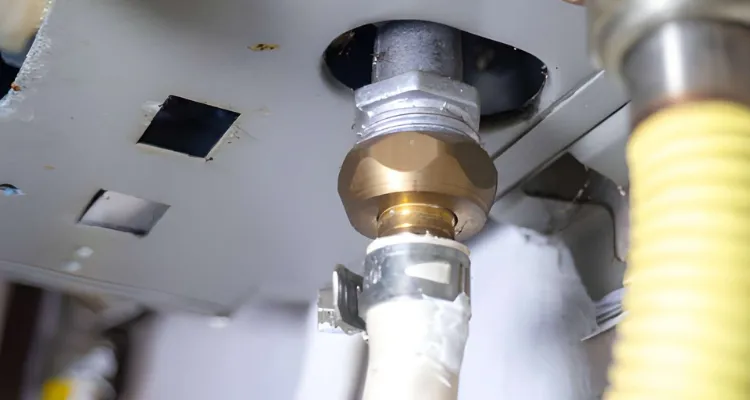
This is the motorized valve installed on your main water line that physically closes to stop water flow. It’s typically a quarter-turn ball valve, chosen for how quickly and reliably it opens and closes compared to other valve types.
Sensors
Depending on the system type, sensors might be built into the main valve assembly to monitor flow and pressure, or they might be standalone moisture pucks placed around the home. Some systems also include temperature sensors to detect freezing conditions that could lead to a burst pipe.
The Control Hub or App
Most current systems include a hub that connects to your home network and a smartphone app for alerts, remote control, and viewing water usage data. Battery backup is a common feature in these hubs, since a power outage shouldn’t mean losing leak protection.
Optional Add-Ons
Depending on the system, you may be able to add extra sensors over time, such as additional moisture pucks for new appliance installations or expanded temperature monitoring for a vacation home. This flexibility allows a system to grow with your home’s needs rather than requiring you to choose full coverage upfront.
Installation: What to Expect
How a system gets installed depends on the type and your home’s existing plumbing setup.
Where It’s Installed
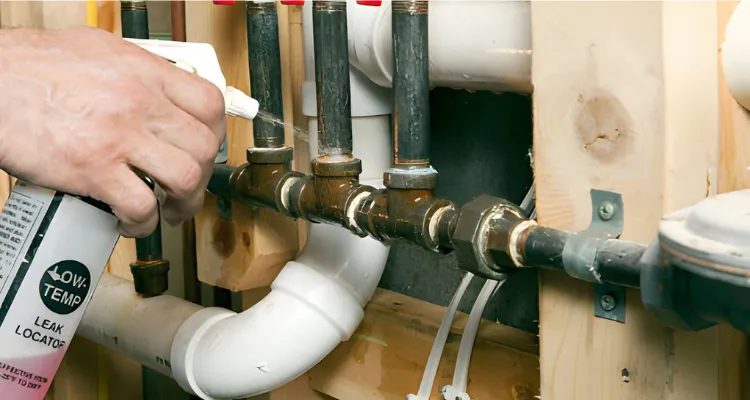
The shutoff valve is installed on the main water line, typically where it enters the home, in a basement, crawl space, or utility area. This is generally the same location as your existing manual shutoff valve, and many installations replace or work alongside it.
DIY vs. Professional Installation
Some consumer systems are designed for straightforward installation without much plumbing experience, particularly moisture sensor kits that don’t require modifying the main water line. Whole-home flow-based systems typically involve cutting into and modifying the main line, which is plumbing work best left to a licensed professional.
What Affects Installation Time and Cost
Installation is generally faster and less expensive when the existing shutoff valve is easily accessible, made of modern materials, and in good condition. It takes longer, and can cost more, when the valve is behind cabinetry, corroded, made of an older material that requires special fittings, or when water needs to be shut off at the street to complete the work.
Typical Cost
Cost varies significantly based on the system type and installation complexity.
| Cost Component | Typical Range | Notes |
|---|---|---|
| Moisture sensor kit (device only) | $80 – $300 | Depends on number of sensors and whether a hub is included |
| Whole-home smart shutoff device | $300 – $700 | Device cost only, before installation |
| Basic replacement of an existing shutoff valve | $150 – $400 | Standard valve replacement without smart features |
| Professional installation (accessible valve) | Several hundred dollars | Labor for a straightforward install |
| Professional installation (complex access) | $1,000 – $2,000+ | Includes drywall access, pipe rework, or street-level shutoff |
Benefits of an Automatic Shutoff Valve
The core benefit is straightforward: catching a leak and stopping it before it causes extensive damage, especially when no one is home to notice.
Limiting Water Damage
A leak that runs for hours or days before anyone notices can cause damage to flooring, drywall, and belongings, along with the risk of mold. An automatic system can shut off water within moments of detecting a problem, often before damage spreads beyond the immediate area.
Remote Alerts and Awareness
App-connected systems notify you the moment a leak is detected, even if you’re not home, which gives you the chance to arrange repairs quickly rather than discovering the damage after the fact.
Potential Insurance Benefits
Some homeowners insurance providers offer discounts for installing an automatic water shutoff system, since it reduces the likelihood of a large water damage claim. Check with your specific insurer to confirm whether this applies to your policy.
Protection While Traveling
For homes that sit empty for extended periods, like a vacation property or a home during a long trip, an automatic shutoff system provides protection that a manual valve simply can’t, since no one is present to notice or respond to a leak.
Considerations Before Installing One
A few practical factors are worth weighing before choosing a system.
Power and Battery Backup
Since these systems rely on electronic components, it’s worth confirming how a system handles a power outage. Battery backup, when included and properly maintained, keeps the system functioning during an outage, though a system relying solely on a battery that isn’t maintained can fail silently when it’s needed most.
Internet Connectivity
App-connected features depend on a working internet connection. If your internet goes down, the valve itself may still function for local detection and shutoff, but remote alerts and control typically won’t work until connectivity is restored. Check this detail for any system you’re considering.
False Positives
A system that’s too sensitive can occasionally shut off water during normal but unusual use patterns, like filling a large tub or running an irrigation system. Most systems allow some adjustment to reduce false shutoffs once you understand your household’s typical water use.
Whole-Home Coverage vs. Targeted Coverage
Moisture sensor systems only catch leaks where a sensor is physically placed, so gaps in coverage are possible if a leak happens somewhere unmonitored. Whole-home flow-based systems avoid this gap by monitoring the entire supply at the main line instead.
Who Should Consider One
Automatic shutoff valves aren’t necessary for every home, but a few situations make them particularly worthwhile.
Homes That Sit Empty for Extended Periods
Vacation homes, rental properties, or homes where residents travel frequently benefit significantly, since there’s no one present to catch a leak early through normal daily observation.
Homes With a History of Leaks
If your home has experienced a leak before, whether from an aging supply line, a washing machine hose, or another source, an automatic system adds a layer of protection against a repeat incident.
Homes With Expensive Finishes or Belongings
Homes with hardwood flooring, finished basements, or valuable belongings at ground level have more to lose from an undetected leak, which can make the upfront cost of a system worth it relative to potential damage.
When to Call a Professional
If you’re considering a whole-home, flow-based system, or if your existing shutoff valve is corroded, hard to access, or difficult to operate, a licensed plumber should handle the installation. This ensures the valve is properly integrated with your main water line and that the system is calibrated correctly for your home’s normal water usage.
A plumber can also help you decide which type of system best fits your home’s layout, plumbing condition, and specific risk areas, rather than guessing based on general recommendations alone.
Frequently Asked Questions
How does an automatic water shut off valve know when to close?
It detects a leak either by monitoring water flow and pressure at the main line for patterns that suggest abnormal use, or through separate moisture sensors that trigger when they come into contact with water. Once triggered, it sends a signal to close the main valve automatically.
Do I need Wi-Fi for an automatic shutoff valve to work?
Not necessarily for the core detection and shutoff function, which typically works locally regardless of internet connection. However, remote alerts, smartphone notifications, and away-from-home control usually require a working internet connection to function.
Can an automatic shutoff valve replace my existing main shutoff valve?
In many cases, yes, since the automatic system typically installs at the same location as your existing manual shutoff and performs the same basic function, with automated detection and control added. A plumber can confirm whether your existing valve needs to be replaced or can be adapted.
What happens during a power outage?
This depends on the specific system. Many include battery backup that keeps the valve and sensors functioning during an outage, though battery condition should be checked periodically to make sure backup power actually works when needed.
Will an automatic shutoff valve catch every type of leak?
Whole-home flow-based systems can catch most leaks anywhere in your plumbing, since they monitor the entire water supply at one point. Moisture sensor systems only catch leaks where a sensor is physically placed, so coverage depends on sensor placement.
Does installing one lower my homeowners insurance?
Some insurers offer a discount for homes with an installed automatic water shutoff system, since it reduces the risk of a major water damage claim. Confirm with your specific insurance provider, since this varies by company and policy.
Getting a System Installed
If you’re considering an automatic water shutoff valve for your home, El Paso Plumbing can assess your plumbing setup, recommend the right type of system, and handle installation. Call (915) 285-0087 or request service online to schedule a consultation.