Most sewer lines last between 30 and 100 years, depending on the pipe material and the ground conditions around it. Orangeburg and clay pipes wear out fastest. Cast iron lasts longer. PVC, the modern standard, often lasts 75 to 100 years or more with proper care.
A sewer line rarely gives a clear warning before it fails. Most homeowners never think about the pipe running from their house to the street until a drain backs up or a wet patch shows up in the yard. At that point, the question that matters most is simple. Is this pipe old enough to be near the end of its life, or is something else going on?
The answer depends heavily on what the pipe is made of and how it’s held up over the years. A home built in 1955 has a very different sewer line than one built in 2010. This article breaks down expected lifespans by material, the conditions that speed up wear, and the signs that mean a pipe is closer to replacement than repair.
Why Sewer Line Material Matters More Than Age Alone
The material a sewer line is made from has more influence on its lifespan than the calendar date it was installed. Two homes built the same year can have very different pipes underneath them, and one may need replacement decades before the other.
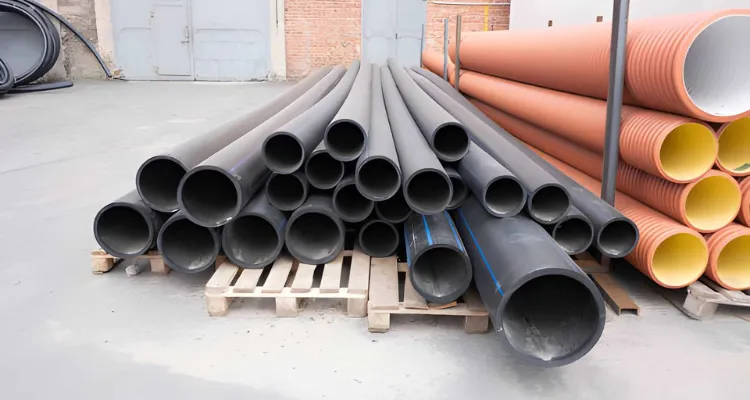
Builders have used several different materials for residential sewer lines over the past century. Each one reacts differently to soil pressure, water chemistry, and tree roots. Knowing which material runs under a home is often the fastest way to estimate how much life the line has left.
Homeowners in older neighborhoods sometimes assume their sewer line was replaced at some point, when in fact it’s the original pipe from construction. A quick look at the home’s age combined with a professional inspection is usually enough to settle the question, rather than relying on guesswork or assumptions passed down from a previous owner.
How to Find Out What Material Your Sewer Line Uses
A camera inspection is the most reliable way to confirm the pipe material without digging. A licensed plumber threads a small camera through a cleanout or drain access point and records the interior of the line. This also shows any existing cracks, offsets, or blockages, which gives a clearer picture than material type alone.
Expected Lifespan by Sewer Line Material
| Pipe Material | Typical Lifespan | Common Era Installed | Main Weakness |
|---|---|---|---|
| Orangeburg (bituminous fiber) | 30 to 50 years | 1940s to 1970s | Softens and deforms under pressure |
| Clay | 50 to 60 years | Before 1980 | Vulnerable to root intrusion and cracking |
| Cast iron | 50 to 75 years | Before the 1980s | Rusts and corrodes from the inside out |
| Concrete | 50 to 60 years | Mid-1900s in some regions | Can erode from acidic wastewater |
| PVC (Schedule 40) | 75 to 100+ years | 1980s to present | Can become brittle with UV or extreme heat exposure |
These ranges reflect typical conditions. A pipe can fail earlier than expected if the soil shifts, tree roots are aggressive, or the original installation had problems. A pipe can also outlast these ranges under favorable soil and low root pressure. Regional differences matter too, since a dry, stable climate puts far less stress on a buried pipe than an area with heavy clay soil or frequent freeze-thaw cycles.
Orangeburg Pipe
Orangeburg is made from layers of wood pulp and pitch, pressed into a tube shape. It was a low-cost option for several decades, but it doesn’t hold up well against the pressure of surrounding soil. Over time, orangeburg pipe can flatten, blister, or collapse, even without any tree root involvement. Homes built between the 1940s and 1970s are the most likely to still have this material.
Clay Pipe
Clay pipe is durable against chemical wear but has a lot of small joints between sections, which gives tree roots an easy entry point. Once roots get inside, they expand and eventually crack or block the pipe entirely. Clay was common in home construction before PVC became the standard.
Cast Iron Pipe
Cast iron holds up well structurally but corrodes from the inside as wastewater passes through it for decades. As the interior walls thin out, the pipe becomes more likely to rust through or develop leaks at weak points. Homes built before the 1980s may still have cast iron sewer lines, especially closer to the house.
PVC Pipe
PVC resists corrosion, doesn’t react with wastewater chemically, and has fewer joints where roots can intrude. This is why it has become the standard material for new sewer line installation since the 1980s. It isn’t indestructible, but it holds up far longer than older materials under normal conditions.
What Shortens a Sewer Line’s Lifespan
Even a durable pipe material can fail early if the conditions around it are harsh. Several factors, beyond the pipe itself, determine how long a sewer line actually lasts.
Tree Root Intrusion
Tree roots grow toward moisture, and a sewer line is a steady source of it. Tree root intrusion can begin through small cracks or loose joints, then expand until they block flow or break the pipe. This is one of the most common reasons a sewer line fails before reaching its expected lifespan.
Soil Movement and Compaction
Expansive soil, drought cycles, and heavy structures or vehicles parked above the line can all put uneven pressure on a buried pipe. This pressure can cause bellies, where a section of pipe sags and collects waste instead of draining it away, leading to more frequent clogs.
Water Chemistry
Highly acidic or corrosive wastewater can wear down certain materials, especially cast iron and concrete, faster than normal use would. This is less of a factor for PVC, which resists chemical corrosion better than older materials. Homes with water softeners, certain cleaning product habits, or unusual local water chemistry may see faster wear on older metal or concrete pipe than the general lifespan ranges suggest.
Grease, Wipes, and Non-Flushable Debris
Buildup from grease, wipes, and other debris doesn’t just cause clogs. Repeated blockages put pressure on pipe walls and joints, which can accelerate cracking in older or weaker materials over time. Grease is a particular problem because it cools and hardens inside the pipe, narrowing the interior diameter and giving other debris something to catch on with each flush.
Installation Quality
A sewer line installed with poor slope, inadequate bedding, or substandard joints can fail well before its material’s typical lifespan, regardless of how good the pipe itself is. This is one reason professional installation and inspection matter as much as the pipe material chosen.
Climate and Freeze-Thaw Cycles
In regions with cold winters, repeated freezing and thawing of the ground can shift soil around a buried pipe every year. Over time, this seasonal movement can stress joints and connections, particularly in older materials like clay or cast iron that have less flexibility than modern PVC. Homes in warmer climates don’t face this specific stress, but they may deal with more consistent moisture and root activity year-round instead.
How Sewer Line Age Affects Home Value and Insurance
A sewer line nearing the end of its expected lifespan can affect both a home sale and available insurance options, even if it hasn’t failed yet. Buyers and insurers increasingly ask about the age and material of the line before finalizing a deal or a policy.
Home Sales and Inspections
A standard home inspection usually does not include a sewer camera inspection unless it’s requested separately. Buyers purchasing an older home, especially one built before 1980, often benefit from asking for this inspection before closing. Finding out a home has an aging clay or orangeburg line after moving in can turn into an unplanned, expensive project.
Insurance Considerations
Some insurers now request a sewer scope inspection before offering certain endorsements on older homes. Because standard homeowners insurance typically excludes gradual wear and aging pipe failure, an older line increases the odds that a future problem will be an out-of-pocket expense rather than a covered claim. Homeowners with an aging line may want to ask their insurance agent about service line coverage specifically because of this risk.
Signs Your Sewer Line Is Nearing the End of Its Life
A sewer line rarely fails all at once. It usually shows warning signs first.
Frequent Clogs in Multiple Drains
One clogged drain is usually a local problem. Multiple drains backing up around the same time, especially the lowest drains in the house, often point to a problem further down the main line.
Gurgling Sounds After Flushing
Air trapped behind a partial blockage can cause gurgling in toilets or nearby drains after a flush. This is often an early sign of a line that’s narrowing due to root intrusion, buildup, or a developing crack.
Sewage Odor Indoors or in the Yard
A persistent sewage smell, especially near a floor drain or a specific patch of yard, can mean gas or wastewater is escaping through a crack instead of venting properly through the plumbing system.
Soggy or Unusually Green Patches of Lawn
A section of grass that stays greener or wetter than the surrounding yard, particularly if it follows the path of the sewer line, often points to a leak feeding the soil from below.
Pest Activity Near the Line
Rodents and insects are drawn to the moisture and organic material around a leaking or cracked sewer line. Increased pest activity in one area of the yard, without another clear cause, is sometimes tied to an underlying pipe problem.
Repair or Replace: How the Decision Gets Made
Whether a sewer line needs a repair or a full replacement usually comes down to how much of the pipe is affected, not just its age. A camera inspection is the only reliable way to make this call, since symptoms alone can look similar for very different underlying problems.
When a Repair Is Often Enough
A single crack, a localized root intrusion, or one damaged joint can sometimes be fixed with a spot repair or a trenchless lining method that seals the interior of the existing pipe. This works best when the rest of the line is still in reasonably good condition.
When Replacement Becomes Necessary
A pipe with multiple failure points, a collapsed section, or a material like orangeburg that has reached the end of its usable life across its full length usually needs full replacement rather than a patch. Continuing to repair a pipe that’s structurally failing in several places often costs more over time than replacing it once.
How to Extend the Life of a Sewer Line
- Schedule a camera inspection every few years, especially once a home passes the 30-year mark, to catch developing problems before they become emergencies.
- Avoid planting trees or large shrubs directly over the line’s path, and be cautious with existing trees that sit close to it. If mature trees are already established nearby, ask a plumber whether a root barrier or periodic root cutting makes sense for your situation.
- Keep grease, wipes, and non-flushable items out of drains, even products labeled flushable. Pouring cooking grease into a sealed container for disposal instead of down the sink prevents one of the most common causes of early blockages.
- Address slow drains early instead of waiting for a full backup, since early blockages are often easier and cheaper to clear.
- Ask about the pipe material during any home purchase or renovation, since this affects both expected lifespan and insurance considerations.
- Keep gutters and downspouts directing water away from the sewer line’s path, since consistently saturated soil can add pressure on older or weaker pipe materials over time.
Safety Guidance
Do not attempt to dig near a suspected sewer line without a professional locate, since gas lines, water lines, and electrical conduit can run nearby. Avoid direct contact with sewage backups and stay away from standing wastewater. Locating, repairing, and replacing a sewer line is licensed and often permit-required work, so this should be handled by a qualified professional rather than as a DIY project.
When to Call a Licensed Plumber
If your home is approaching or past the typical lifespan for its pipe material, or if you’re noticing any of the warning signs above, a camera inspection is the clearest next step. [BUSINESS NAME] can inspect the line, confirm the material and condition, and explain whether a repair or a full replacement makes more sense for your situation.
Frequently Asked Questions
How do I know what material my sewer line is made from?
The most reliable way is a camera inspection, where a plumber threads a small camera through a cleanout to view the interior of the pipe. Home age can offer a clue, since clay and cast iron were common before 1980, but only an inspection confirms it.
Can a sewer line last 100 years?
Yes, particularly if it’s made from PVC and installed in stable soil with minimal tree root pressure. Some PVC lines exceed 100 years under favorable conditions, though this depends heavily on soil movement, water chemistry, and maintenance over time.
Does homeowners insurance cover a sewer line that fails from old age?
Usually not. Standard homeowners insurance typically excludes gradual wear and aging pipe materials, treating replacement as a maintenance responsibility rather than a covered loss. Some insurers offer optional service line coverage to help with this gap.
How often should I have my sewer line inspected?
Many plumbers recommend a camera inspection every two to three years for homes over 30 years old, or sooner if warning signs like slow drains or recurring backups appear. Newer PVC lines generally need less frequent inspection.
Is it worth repairing an old clay or orangeburg sewer line instead of replacing it?
It depends on the extent of the damage. A single localized issue may be worth repairing, but a line made from orangeburg or heavily deteriorated clay often has widespread weakness that makes repeated repairs more expensive than one full replacement over time.
Do tree roots always mean I need a new sewer line?
Not always. Root intrusion at a single point can sometimes be cleared and repaired with a lining method, especially if the rest of the pipe is sound. Extensive root damage across multiple sections usually points toward full replacement instead.
What happens if I ignore an aging sewer line for too long?
Ignoring the warning signs can lead to a sudden collapse, which is often more disruptive and expensive to fix than a planned repair or replacement. A collapsed line can also cause sewage backups inside the home, yard flooding, and damage to nearby structures like driveways or foundations, so addressing warning signs early is usually the more cost-effective path.
Next Steps
Knowing what your sewer line is made from, and how old it is, goes a long way toward avoiding a surprise failure. If your home is due for an inspection or you’re noticing early warning signs, El Paso Plumbing can take a look and walk you through what the camera footage shows. Call us (915) 285-0087 for service.