How Long Does It Take to Fix a Slab Leak?
Most slab leak repairs take one to three days for the plumbing work itself, though detection, permits, and restoration can extend the full project to one to two weeks. Spot repairs are usually the fastest option, while full repiping or extensive water damage restoration takes the longest.
If you’ve confirmed a slab leak, the next question is almost always about time. How long will your home be disrupted, and when will things be back to normal? The honest answer depends on where the leak is, how it gets repaired, and how much damage it caused before anyone found it.
This guide breaks the process into its real stages, from the first inspection to the last piece of flooring going back down, and explains what typically speeds a repair up or slows it down. It also compares the most common repair methods side by side, so you know what to expect once your plumber recommends one.
The Slab Leak Repair Process, Stage by Stage
A slab leak repair isn’t one single task. It moves through a few distinct stages, and each one adds its own time to the overall project.
Stage One: Detection
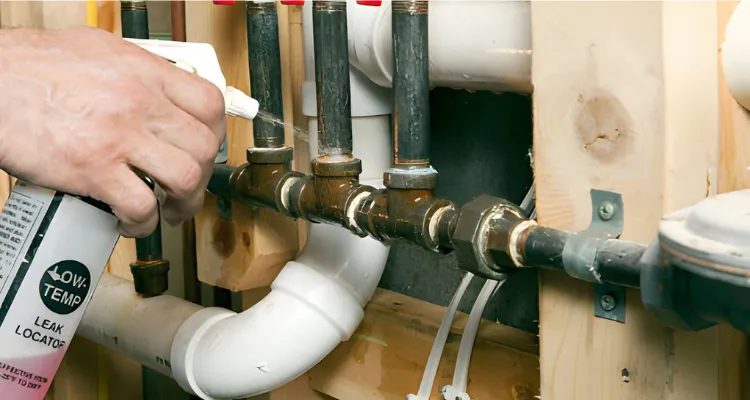
Before any repair can start, a plumber has to confirm the leak’s exact location using equipment like acoustic listening devices, thermal imaging, or pressure testing. This stage usually takes two to four hours, though it can stretch longer in a larger home or when the leak is faint and hard to isolate. Slab leak detection cost covers what this diagnostic step typically costs.
Stage Two: Choosing a Repair Method
Once the leak is located, the plumber will recommend a repair method based on the pipe’s condition, age, and how many other weak points nearby seem likely. This decision affects the rest of the timeline more than almost any other factor, since some methods take a few hours and others take several days.
Why This Decision Takes Time
A plumber typically won’t recommend a method on the spot without weighing a few things first, including the pipe’s material, how old the plumbing system is overall, and whether the leak looks like an isolated event or a sign of broader wear. Rushing this step to save time upfront can lead to a repair that only addresses one weak point while others remain, which often means a second repair down the road.
Stage Three: The Repair Itself
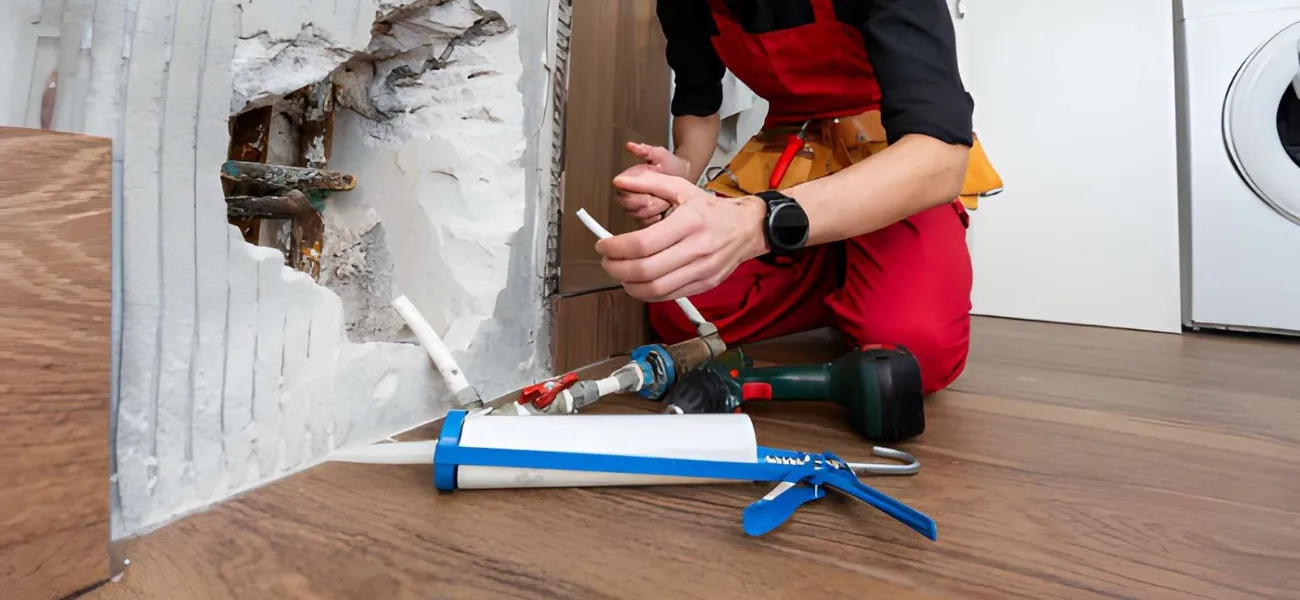
This is the actual plumbing work, whether that means breaking into a small section of slab, rerouting the line through walls or ceilings, or lining the existing pipe from the inside. Time here ranges from a few hours to several days, depending on the method chosen.
Stage Four: Drying and Curing
Some methods, like epoxy pipe lining, require curing time before the line can be used again. If water damage reached the subfloor, drywall, or insulation, drying equipment may need to run for a day or more before rebuilding can start.
Stage Five: Restoration
Once the plumbing work is done, any concrete, flooring, drywall, or cabinetry that was removed needs to be replaced. This stage varies the most, since a small patch of tile is a quick fix while a full room of flooring can take days to source and install.
Stage Six: Permits and Final Inspection
Depending on your local plumbing code, a permit and final inspection may be required to confirm the repair meets code before everything is closed back up. [FACT CHECK REQUIRED BEFORE PUBLICATION] Timing here depends on your local permitting authority and inspector availability, which can add anywhere from a same-day sign-off to several business days.
Repair Timeline by Method
The method your plumber chooses has the biggest effect on how long the actual repair takes. Here’s how the three most common approaches compare.
| Repair Method | Typical Repair Time | What It Involves |
|---|---|---|
| Spot repair | A few hours to 2 days | Opening a small section of slab to access and repair the exact leak point |
| Epoxy pipe lining | About 1 day, plus curing time | Coating the inside of the existing pipe without breaking the slab |
| Pipe rerouting or repiping | 2 to 5 days | Installing new lines through walls or ceilings to bypass the damaged section |
Spot Repair
Spot repair is often the fastest option when the leak is isolated to one small area and the pipe itself is otherwise in decent condition. The plumber breaks through a limited section of concrete, replaces or repairs the damaged pipe section, and patches the opening. This method works best for a single, localized leak rather than a pipe showing signs of widespread corrosion.
Epoxy Pipe Lining
Epoxy lining is a trenchless method that seals the inside of the existing pipe without breaking up the slab at all. It’s typically finished within a day, though the epoxy needs time to cure before the line is back in full use. This method suits pipes that are structurally sound aside from the leak itself, since it reinforces the existing line rather than replacing it.
Pipe Rerouting or Repiping
Rerouting installs a new line, usually run through walls, ceilings, or an attic, to bypass the damaged section of pipe entirely. It takes longer than spot repair or lining because it involves more plumbing work, but it can be the better long-term choice when the existing pipe is old or has multiple weak points. Whole-home repiping, which replaces most or all of a home’s water lines, sits at the higher end of this range or beyond it, depending on the size of the house.
Comparing the Trade-Offs
Choosing between these methods usually comes down to balancing speed against long-term reliability. Spot repair gets you back to normal fastest, but it only addresses the one section that failed, which means another nearby weak point could still leak later. Rerouting takes longer up front, but it removes the aging line from service altogether rather than patching one section of it. Epoxy lining tends to sit in the middle, offering a faster timeline than rerouting while still addressing the full length of the existing pipe rather than just one spot.
What Makes a Slab Leak Repair Take Longer
A few specific factors tend to stretch the timeline beyond the general ranges above.
Leak Severity and Pipe Condition
A single pinhole leak in an otherwise healthy pipe is quicker to address than a pipe showing corrosion at multiple points. When a plumber finds more than one weak spot, the scope of the job, and the time it takes, usually grows.
Leak Location and Access
A leak near the edge of the slab or in an easily reached area is faster to repair than one under a load-bearing wall, a kitchen island, or a finished bathroom. Leaks in these harder-to-reach spots may require more careful planning to avoid structural issues, which adds time before work even begins.
Flooring and Fixture Removal
If the leak sits beneath tile, hardwood, or built-in cabinetry, that material has to come out before the slab can be opened and go back afterward. Removing and later matching flooring, especially discontinued tile or hardwood, can add days to the restoration stage alone.
Extent of Water Damage
A leak caught early usually means less water damage to work around. A leak that’s been running for weeks or months can saturate subfloors, damage drywall, and require extended drying time before repairs and restoration can even start.
Permit and Inspection Timing
Local permitting requirements and inspector schedules are outside your plumber’s control, and they can add anywhere from same-day approval to several business days, depending on where you live. [FACT CHECK REQUIRED BEFORE PUBLICATION]
Material and Parts Availability
Most standard repair parts are readily available, but specialty fittings, matching pipe materials for an older home, or specific flooring for restoration can occasionally cause a short delay while materials are sourced.
Scheduling and Contractor Availability
Beyond the repair itself, how quickly a plumber can start also depends on their current schedule and whether the job is treated as an emergency or a standard appointment. An active, worsening leak usually gets prioritized faster than a slow leak that’s already been contained by shutting off water to the affected line.
Typical Total Project Timeline
Putting the stages together, most residential slab leak projects fall into one of a few general timelines.
| Project Scope | Approximate Total Timeline |
|---|---|
| Simple spot repair, minor or no restoration | 1 to 2 days |
| Epoxy lining with light restoration | 2 to 3 days |
| Rerouting with moderate restoration | 4 to 7 days |
| Extensive water damage requiring full drying and rebuild | 1 to 2 weeks or more |
These ranges reflect general industry timelines and can shift based on your specific home, local permitting process, and the extent of damage found once work begins. [VERIFIED PRICE REQUIRED BEFORE PUBLICATION] applies to any cost figures paired with these timelines before this content is published.
Can You Stay in Your Home During the Repair?
Most homeowners can stay in their home during a slab leak repair, though it depends on the scope of the job and which areas of the house are affected.
When Staying Is Usually Fine
Spot repairs and epoxy lining are typically contained to one area, so most of the home remains fully usable while work is underway. Water may need to be shut off for portions of the repair, but this is usually temporary and scheduled around the work itself.
When You Might Need to Relocate Temporarily
Extensive water damage, especially in a kitchen or the only bathroom in the home, may make it difficult to stay comfortably during the restoration stage. Large-scale drying equipment can also be noisy and requires continuous power, which is worth discussing with your plumber or restoration company if the damage is significant.
Planning Around the Work
If you do need to stay in the home, ask your plumber which days will involve the most disruption, such as concrete cutting or heavy equipment use, so you can plan around noise and limited water access. Setting up a temporary water shutoff schedule with your plumber can also help you avoid surprises if a section of your plumbing needs to stay off longer than expected.
Signs Your Slab Leak Repair Is Taking Longer Than Expected
A repair that’s running past the original estimate isn’t automatically a problem, but it’s worth understanding why. Ask your plumber directly if the timeline shifts partway through, since delays are usually tied to one of a few specific causes.
Additional Damage Found Mid-Repair
Sometimes a plumber discovers more extensive corrosion, a second leak point, or unexpected water damage once the slab is opened. This kind of discovery is common enough that it’s worth asking about upfront, so you’re not caught off guard if the scope changes.
This is also a fair moment to ask for updated information in writing, including what was found, how it changes the recommended repair, and how much time the change is expected to add. A brief written update protects both you and the contractor if questions come up later.
Permit or Inspection Delays
If your project requires a permit, delays on the city or county’s end are outside your plumber’s control. A reputable contractor should be able to tell you where things stand in that process rather than leaving you guessing.
Material Delays
If a specific part or matching flooring material needs to be special-ordered, that alone can add days to an otherwise straightforward repair.
Coordination With Other Contractors
Larger projects sometimes involve more than one contractor, such as a plumber for the pipe work and a separate flooring or drywall specialist for restoration. Scheduling between two companies can add time compared to a single company handling both stages, so it’s worth asking upfront whether your plumber coordinates restoration directly or hands that part off.
Safety Guidance During a Slab Leak Repair
A slab leak repair involves breaking into concrete and working around your home’s plumbing and electrical systems, which comes with real risks for anyone without training or the right equipment.
Avoid attempting to break through concrete yourself, since slab leak repairs are licensed, permit-required work in most areas and can disturb structural elements or other utility lines if done incorrectly. Stay out of any area with standing water near electrical outlets, panels, or appliances until a professional confirms it’s safe. If restoration involves mold remediation, ask your contractor about proper containment and protective equipment, since disturbed mold can affect indoor air quality during the cleanup process.
When to Call a Professional
Any confirmed slab leak calls for a licensed plumber, since the repair itself is not a do-it-yourself project. If you’re still confirming whether you have a slab leak, Underground pipe leak signs walks through the specific warning signs to look for before scheduling an inspection.
Once a leak is confirmed, ask your plumber for a written timeline estimate based on the specific repair method they recommend, along with what could extend that estimate. A clear timeline upfront makes it easier to plan around the disruption, whether that means scheduling time away from a work-from-home setup or arranging alternate living space for a larger project.
Frequently Asked Questions
How long does a typical slab leak repair take?
Most slab leak repairs take one to three days for the plumbing work itself. The full project, including detection, any needed permits, and restoration of flooring or drywall, often runs from a few days up to two weeks depending on the extent of the damage.
What is the fastest way to fix a slab leak?
Spot repair is usually the fastest method when the leak is isolated to one small, accessible section of pipe. It can sometimes be completed in a few hours, though most spot repairs take up to two days when you factor in patching and minor restoration.
Do I need to move out of my house during slab leak repair?
Most homeowners can stay in their home during a standard spot repair or epoxy lining project, since the work is usually contained to one area. Extensive water damage or restoration in a kitchen or the only bathroom may make temporary relocation more practical.
Why does pipe rerouting take longer than spot repair?
Rerouting involves installing an entirely new line, usually run through walls or ceilings, rather than repairing a single section of existing pipe. That additional plumbing work takes more time, though it can reduce the chance of another leak in the same aging line down the road.
Does slab leak repair require a permit?
In many areas, yes, since the work affects plumbing and sometimes structural elements of the home. Permit and inspection requirements vary by location, so confirm this with your plumber or your local permitting authority before work begins. [FACT CHECK REQUIRED BEFORE PUBLICATION]
Can a slab leak get worse while waiting for repair?
Yes. A slab leak continues to leak until it’s repaired, which means water damage, soil saturation, and the risk of mold can all increase the longer the repair is delayed. Scheduling repair soon after detection generally limits how much additional damage occurs.
Is emergency slab leak repair faster than a scheduled appointment?
An emergency call typically gets prioritized ahead of routine scheduling, which can shorten the wait before work begins. The repair itself still follows the same general timeline based on the method used, so emergency service mainly affects how quickly a plumber arrives rather than how long the repair takes once it starts.
What causes a slab leak repair to take longer than estimated?
Additional corrosion or a second leak found once the slab is opened, permit or inspection delays, and special-order materials are the most common reasons a repair timeline extends beyond the original estimate. A reputable plumber should explain the reason clearly if the scope changes mid-project.
Getting an Accurate Timeline for Your Slab Leak
Every slab leak is different, and the only way to get a real timeline is to have a licensed plumber inspect the leak and recommend a repair method. [BUSINESS NAME] can assess your slab leak, walk you through the repair options, and give you a clear timeline before any work begins. Call [PHONE NUMBER] or request service online to schedule an inspection.