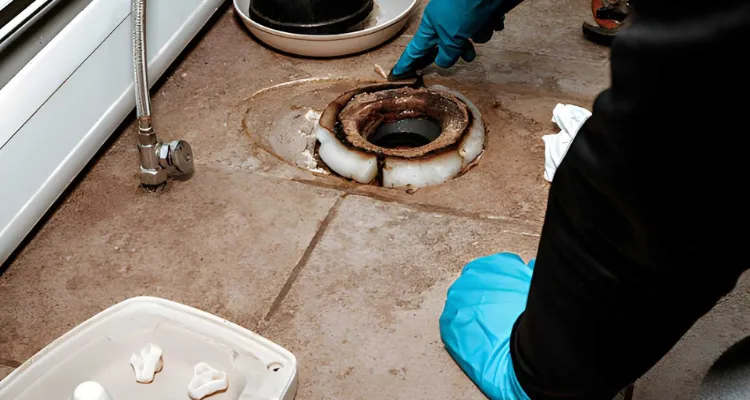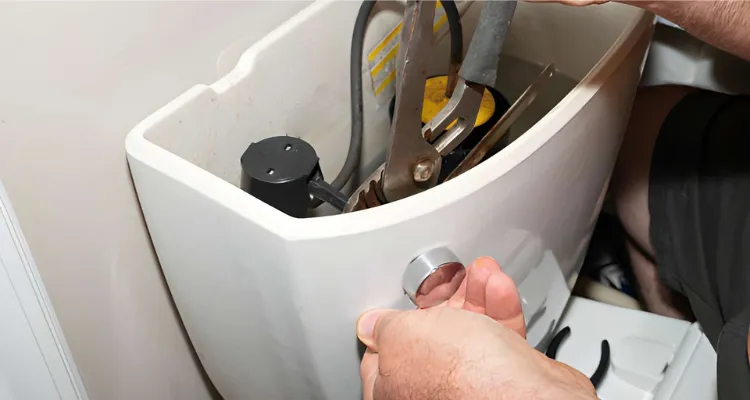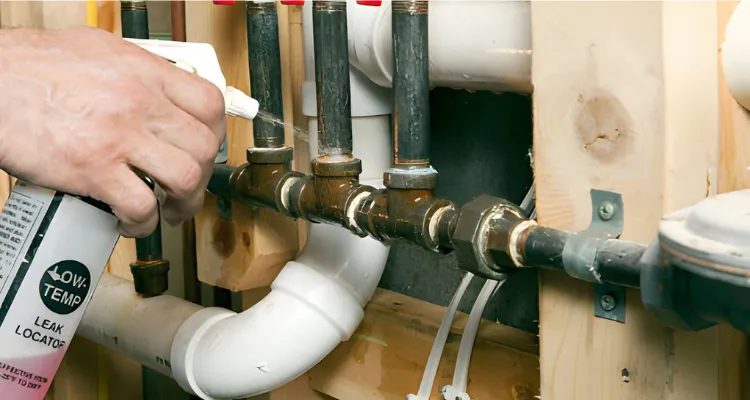
A toilet that keeps clogging is usually caused by an older low-flow toilet lacking flushing pressure, too much toilet paper or non-flushable items, a partial clog in the trap or drain line, or a blocked vent pipe. Sometimes the real problem is further downstream in the sewer line.
A single clog is a minor annoyance. A toilet that clogs repeatedly, week after week, is a sign that something specific is going on, whether that’s the toilet itself, what’s being flushed, or a developing issue in your drain system. Figuring out which one applies to your situation is the key to actually solving the problem instead of just reaching for the plunger every few days and hoping it doesn’t happen again.
This article walks through the most common reasons a toilet clogs repeatedly, how to tell them apart, and which fixes are within reach versus when the issue calls for a professional plumber’s attention.
Older Low-Flow Toilets
If your toilet was manufactured in the 1990s or early 2000s, the toilet itself may be the underlying cause of frequent clogs.
Why Early Low-Flow Models Struggle
Low-flow toilets were introduced to reduce water use, typically using 1.6 gallons per flush or less compared to 3.5 or more gallons in older, pre-low-flow models. Early low-flow designs simply reduced the water volume without redesigning the flushing mechanism to compensate, which left many first-generation models without enough pressure to fully clear waste through the trap and drain line.
How to Tell If This Applies to You
Checking the underside of the tank lid or the base of the toilet often reveals a manufacture date stamped into the porcelain. A toilet dating to the 1990s or very early 2000s is more likely to be an early low-flow model with this specific weakness.
Why This Is Hard to Fix Without Replacement
Unlike other causes on this list, weak flushing pressure built into an older toilet’s design generally can’t be resolved through cleaning or minor adjustment. Reducing toilet paper use can help somewhat, but a full solution usually means replacing the toilet with a newer model.
What’s Different About Newer Low-Flow Models
Current low-flow toilets use improved bowl and trap designs, along with better engineered flush valves, to achieve strong flushing performance at the same or lower water volume than early models. This is why replacing an old low-flow toilet with a modern one typically solves the clogging problem rather than just trading one water-saving toilet for another with the same weakness.
Excessive Toilet Paper or Non-Flushable Items
What goes into the toilet is one of the most common and most preventable causes of recurring clogs.
Too Much Toilet Paper at Once
Using a large amount of toilet paper in a single flush, especially thicker, ultra-soft, or multi-ply varieties that don’t break apart as quickly in water, can overwhelm a toilet’s flushing capacity even in a toilet that otherwise works fine.
Items That Should Never Be Flushed
Only human waste and toilet paper are designed to go down a toilet. Wipes, including those labeled “flushable,” paper towels, feminine hygiene products, cotton balls, and similar items don’t break down the way toilet paper does and are a leading cause of recurring clogs.
Why “Flushable” Wipes Are Still a Problem
Despite the labeling, flushable wipes generally don’t disintegrate the way toilet paper does. They may disappear from the bowl after flushing, but they tend to accumulate further down the line in the drain or sewer system, contributing to blockages that build up gradually rather than causing an immediate, obvious clog.
Households With Children
Homes with children sometimes see more frequent clogs simply due to larger volumes of toilet paper used per flush, or occasional non-flushable items ending up in the toilet without an adult noticing beforehand. Addressing this directly with household members, alongside keeping a trash bin nearby for actual non-flushable items, can meaningfully reduce clog frequency.
A Partial Clog in the Trap or Drain Line
Sometimes a clog isn’t a single event but a gradual buildup that worsens with each use.
How a Partial Clog Develops
Grease, accumulated debris, mineral deposits, or minor pipe damage can create a narrowed section within the drain line. Water and waste can still pass through this narrowed area, but not as freely, which means material gradually accumulates with each flush until a fuller clog eventually forms.
Why This Type of Clog Is Easy to Miss
A partial clog often lets the toilet appear to flush normally for a while, which can make it seem like the problem resolves itself between clogs. In reality, material is slowly building up in that narrowed section, and clogs will keep recurring until the underlying obstruction is fully cleared.
How Professionals Clear a Persistent Partial Clog
A drain snake can break up and clear many partial clogs, but for buildup that’s more extensive or located deeper in the line, professional drain cleaning, sometimes using hydro jetting, provides a more thorough clearing than a standard household snake can achieve. A plumber can also use a camera inspection to confirm exactly where and how severe the narrowing is before recommending a specific clearing method.
Hard Water and Mineral Buildup
Water quality can play a role in a toilet’s ongoing performance, particularly in areas with hard water.
How Mineral Deposits Cause Clogs
Hard water can leave mineral deposits inside the toilet’s internal passages and connected pipes over time, gradually narrowing the space available for water and waste to pass through. This buildup reduces the effective flow and pressure of each flush, contributing to less efficient waste removal.
Where to Look for Signs
Mineral buildup often shows up as visible scale or discoloration around the rim jets, the small holes under the toilet bowl’s rim that release water during a flush. Reduced water flow from these jets is a common indicator that mineral deposits may be affecting flush performance.
Addressing Hard Water Buildup
A descaling solution or vinegar soak applied directly to the rim jets can sometimes clear minor mineral buildup, restoring more of the toilet’s original flush strength. For households with persistently hard water, a whole-home water softener can reduce how quickly this buildup recurs across the toilet and other fixtures.
A Blocked Vent Pipe
Not every clog cause is inside the toilet or drain line itself. Your plumbing system’s venting plays a role too.
What the Vent Pipe Does
Vent pipes allow air to enter the drain system, balancing pressure so that wastewater can flow smoothly without creating a vacuum that slows drainage. Without proper venting, a flush can struggle to clear completely even if nothing is physically blocking the trap or drain line.
What Blocks a Vent Pipe
Since vent pipes extend up through the roof, they’re exposed to leaves, debris, birds’ nests, and other outdoor material that can settle into the opening over time and restrict airflow.
Signs a Vent Pipe Might Be the Cause
Gurgling sounds coming from the toilet or nearby drains, slow drainage throughout the house rather than just at one fixture, and a sewage smell are all signs that point toward a venting issue rather than a simple clog isolated to the toilet itself.
Why Venting Affects the Whole System
Because a single vent stack often serves multiple fixtures or an entire branch of a home’s plumbing, a blockage at the vent can affect drainage well beyond just the toilet closest to it. This is one reason a venting issue can look similar to a sewer line problem at first, even though the underlying cause and repair are different.
Insufficient Water in the Tank
A toilet needs enough water in the tank to generate the flushing force required to clear waste completely.
Why Tank Water Level Matters
Toilet tanks are generally designed to hold two to three gallons of water, and if the tank isn’t filling to the correct level, whether from a faulty fill valve or another mechanical issue, the flush won’t have enough force to fully clear the bowl each time it’s used.
How to Check
Removing the tank lid and observing the water level after the tank refills can reveal whether it’s filling to the manufacturer’s marked fill line. Water sitting noticeably below that line points to a fill valve or water supply issue rather than a clog-specific problem.
When a Fill Valve Needs Replacing
A fill valve that’s worn, improperly adjusted, or partially clogged with sediment can prevent the tank from reaching its intended water level even when the water supply itself is functioning normally. Replacing a fill valve is a relatively straightforward and inexpensive repair once it’s confirmed as the cause.
Sewer Line Problems
If the issue isn’t isolated to one toilet, the underlying cause may be further downstream than the toilet or its immediate drain line.
When Multiple Drains Are Affected
If more than one drain in your home is clogging or draining slowly, not just the toilet, that pattern points toward a main sewer line issue rather than a problem specific to the toilet itself.
Common Sewer Line Causes
Tree root intrusion, a broken or collapsed section of pipe, and material infiltrating through cracks in an aging sewer line can all obstruct the main line and cause recurring clogs throughout the home’s plumbing. Tree root intrusion covers root-related sewer issues in more detail.
Why This Requires Professional Equipment
Sewer line clogs generally aren’t reachable or fixable with a household plunger or a basic drain snake. Diagnosing and clearing this type of blockage typically requires video pipe inspection and specialized equipment that only a licensed plumber has access to. Hydro Jetting vs Snaking compares two common professional clearing methods.
Causes at a Glance
| Cause | Key Sign | Fix Difficulty |
|---|---|---|
| Older low-flow toilet | Weak flush even without excess paper, manufacture date from 1990s | Usually requires toilet replacement |
| Excessive toilet paper or non-flushables | Clog forms shortly after flushing certain items | Behavior change, sometimes DIY clearing |
| Partial drain clog | Flush seems to work but clogs recur over time | DIY snake or professional drain cleaning |
| Hard water mineral buildup | Visible scale, reduced rim jet flow | Cleaning or descaling, sometimes professional |
| Blocked vent pipe | Gurgling sounds, slow drains, sewage smell | Usually requires professional clearing |
| Insufficient tank water | Tank water below fill line | Fill valve repair or replacement |
| Sewer line issue | Multiple drains affected throughout the home | Requires professional inspection and repair |
What You Can Try Before Calling a Plumber
A few steps are reasonable to attempt on your own before assuming a bigger problem is involved.
Use Less Toilet Paper Per Flush
Reducing the amount of toilet paper used in a single flush, or flushing partway through if a large amount is needed, can reduce clog frequency, particularly with older or low-flow toilets.
Stop Flushing Non-Flushable Items
Committing to only flushing human waste and toilet paper eliminates one of the most common and preventable causes of recurring clogs.
Try a Plunger or Toilet Auger
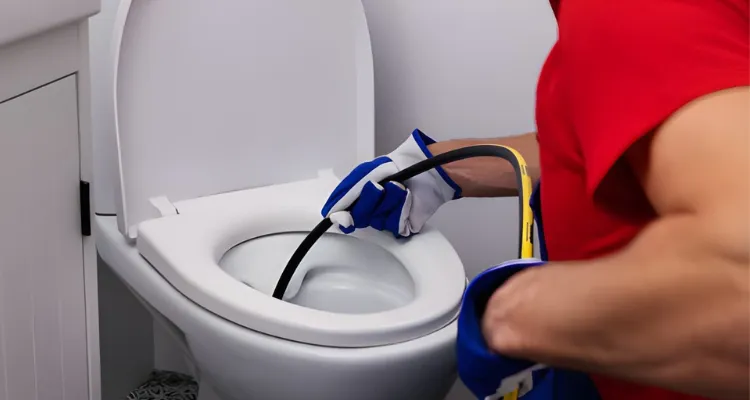
A standard plunger can clear many simple clogs, while a toilet auger, a flexible tool designed specifically for toilets, can reach slightly further into the trap for a stubborn clog that a plunger alone doesn’t resolve.
Check for a Vent Blockage From the Roof
If you’re comfortable and safely able to access your roof, a visual check of the vent pipe opening for visible debris, leaves, or a nest can confirm whether this is contributing to the problem. If reaching the roof isn’t something you’re equipped or comfortable doing, this step is better left to a professional.
When to Call a Professional
A few signs indicate the issue is beyond a simple DIY fix. If more than one drain in your home is affected, a sewer line issue is likely, and this requires professional diagnosis and equipment. If a plunger or auger doesn’t resolve the clog after a couple of attempts, a partial clog further down the line may need professional drain cleaning. If you suspect a blocked vent pipe but aren’t able to safely inspect or clear it yourself, a plumber can address this without the risks of working on a roof.
A plumber can also help you determine whether an older, low-flow toilet is truly the root cause before you invest in a replacement, since a new toilet won’t solve a clog that’s actually originating in the drain or sewer line. Getting an accurate diagnosis first can save you from an unnecessary purchase and installation cost.
Frequently Asked Questions
Why does my toilet keep clogging even with just toilet paper?
This pattern often points to an older, low-flow toilet without enough flushing pressure, a partial clog already building up in the trap or drain line, or a blocked vent pipe restricting proper airflow during the flush. Reducing toilet paper use can help temporarily, but the underlying cause usually needs to be addressed directly.
How do I know if my toilet is an old low-flow model?
Check the underside of the tank lid or the base of the toilet for a manufacture date stamped into the porcelain. Toilets from the 1990s or very early 2000s are more likely to be first-generation low-flow models that lack sufficient flushing pressure.
Should I replace my toilet if it keeps clogging?
It depends on the cause. If your toilet is an older low-flow model and other causes have been ruled out, replacement is often the most reliable fix. If the clogging is caused by a drain or sewer line issue, a new toilet won’t solve the problem, since the obstruction is downstream of the toilet itself.
Are flushable wipes really safe to flush?
Despite the labeling, flushable wipes generally don’t break down the way toilet paper does. They’re one of the most common causes of recurring clogs, since they can accumulate in drain lines even if they disappear from the toilet bowl after flushing.
What does it mean if multiple drains in my house are clogging, not just the toilet?
This pattern typically points to a main sewer line issue rather than something specific to the toilet, such as tree root intrusion, a damaged pipe section, or significant blockage further down the line. This type of problem requires professional inspection and equipment to resolve.
Can hard water really cause a toilet to clog?
Yes. Mineral deposits from hard water can build up inside the toilet’s rim jets and connected pipes over time, reducing water flow and flushing pressure. This buildup develops gradually and can contribute to less effective flushes and more frequent clogs, particularly in homes that have never addressed water hardness directly.
Getting Recurring Toilet Clogs Fixed
If your toilet keeps clogging despite trying the basic fixes, El Paso Plumbing can identify the actual cause, whether it’s the toilet, the drain line, or the sewer line, and recommend the right solution. Call (915) 285-0087 or request service online to schedule an inspection.