If you smell gas in your house, leave immediately with everyone in the home, avoid light switches, phones, or electrical devices, and call your gas utility’s emergency line or 911 from a safe distance. Don’t try to locate the leak yourself, and don’t return until a professional confirms it’s safe.
That first moment of smelling gas can be disorienting, especially if you’re not sure how serious it is or what to do first. The good news is that the right response is simple and doesn’t require any special knowledge, just a clear set of steps followed in order.
This article walks through exactly what to do from the moment you notice the smell, what to avoid along the way, who to contact, and what happens once help arrives. It also covers a few situations that complicate the basic steps, like being asleep, having a car in the garage, or living in an apartment building.
The Immediate Response, Step by Step
These steps apply the moment you notice a gas smell, regardless of how strong it seems or where in the house it’s coming from.
Step One: Don’t Investigate the Smell
Resist the urge to sniff around and try to find where the smell is coming from. Time spent searching is time spent in an area that may have an unsafe gas concentration, and the exact source isn’t something you need to identify yourself.
Why This Step Comes First
It’s a natural instinct to want to confirm what you’re smelling before reacting, but that instinct works against you here. Every extra minute spent checking appliances or sniffing along a wall is a minute of continued exposure in a space that may already be unsafe.
Step Two: Get Everyone Out Immediately
Get every household member and any pets out of the house right away. Don’t take time to gather belongings, and don’t stop to open windows on your way through the house.
Step Three: Avoid Anything That Could Create a Spark
Don’t turn light switches on or off, don’t use your phone inside the home, and don’t operate any electrical device, including a garage door opener, while you’re still inside. Even a small spark has the potential to ignite gas that’s accumulated in the air.
Step Four: Leave Doors Open If It’s Quick and Easy
If it doesn’t slow you down or require going back into a room with a strong smell, leaving a door open on your way out can help the space ventilate. This step is optional and should never come before getting everyone out safely.
Step Five: Move to a Safe Distance
Get well away from the house itself, ideally to a neighbor’s yard, the street, or another location clearly away from the structure. Don’t wait in your car in the driveway if it’s parked close to the home.
Step Six: Call for Help
Once you’re safely away from the property, call your gas utility’s emergency line or 911. If you use propane from a tank, your propane supplier likely has a separate emergency contact number worth keeping saved.
What to Tell the Dispatcher
Explain that you smell gas and have evacuated the home, and share your address clearly along with any specific details, like where the smell seemed strongest or whether you heard a hissing sound. This helps responders prepare before they arrive.
Step Seven: Wait for Confirmation Before Returning
Don’t go back inside, even briefly, until a professional confirms the home is safe. This includes not going back for pets, belongings, or to check on anything, since the risk doesn’t decrease just because a few minutes have passed.
Quick Reference: What to Do and What to Avoid
The table below summarizes the core response in a quick, scannable format.
| Do | Avoid |
|---|---|
| Leave the house immediately | Investigating or searching for the leak’s source |
| Take household members and pets with you | Turning light switches on or off |
| Move to a safe distance from the structure | Using your phone while inside the home |
| Call your gas utility or 911 once safely away | Starting your car in an attached garage |
| Wait for a professional to confirm it’s safe | Returning to the home before that confirmation |
| Leave a door open only if it doesn’t slow you down | Lighting a match, candle, or any open flame |
Why You Shouldn’t Try to Shut Off the Gas Yourself
Some general safety advice suggests turning off a gas shutoff valve if you can reach it quickly and safely. In practice, this step depends heavily on your specific situation and shouldn’t come before getting everyone out.
The Risk of Going Back In
If reaching a shutoff valve means walking back through an area where you smell gas, the risk of doing so outweighs the benefit. Locating and operating the valve correctly also isn’t something everyone is familiar with under stress, which increases the chance of a mistake.
Let the Professional Handle It
Gas utilities and emergency responders are equipped and trained to shut off gas service safely, often from outside the home. This is generally the safer path compared to a homeowner attempting it themselves, especially in an unfamiliar or stressful situation.
If You Already Know Your Shutoff Location
Knowing where your gas shutoff valve is located ahead of time, without needing to search for it during an actual emergency, can still be useful information to share with responders when they arrive. This is different from trying to operate it yourself mid-evacuation, which isn’t necessary and can add unnecessary risk.
What to Do If You Smell Gas While Asleep
Being woken up by a gas smell, or by a gas detector alarm, adds urgency to an already stressful situation.
Move Quickly But Don’t Panic
Wake other household members by voice or by physically checking on them rather than turning on lights. Get everyone moving toward an exit without stopping to gather belongings or check other rooms.
Use a Flashlight Only if Necessary
If you need light to move safely, a battery-powered flashlight you already have in hand is safer than reaching for a light switch, since flipping a switch can create a spark. If you don’t have one within reach, moving carefully without light is still safer than turning on a switch.
Getting Children and Others Moving Quickly
If children or other household members are groggy or slow to wake, prioritize physically guiding them toward the exit over explaining the full situation in detail. There will be time to explain once everyone is safely outside.
What to Do If You Smell Gas Near Your Car or Garage
An attached garage adds a specific risk that’s worth understanding separately from the rest of the house.
Don’t Start Your Car
Starting a vehicle involves an electrical spark from the ignition system, which carries the same risk as flipping a light switch if gas has accumulated in the garage. Leave the garage on foot rather than trying to drive out.
Leave the Garage Door Manually if Possible
If your garage door has a manual release and you can operate it without using the electric opener, this may be a safer way to open the space for ventilation. If operating it means using the electric opener switch, prioritize leaving on foot instead.
What to Do If You Live in an Apartment or Shared Building
Multi-unit buildings add a layer of coordination that a single-family home doesn’t require.
Alert Neighbors on Your Way Out if It’s Safe
If you can safely alert immediate neighbors while leaving, doing so can help others get out sooner. Don’t go out of your way or delay your own exit to do this, since your own safety comes first.
Notify Building Management or the Landlord
Once you’re safe and have contacted your gas utility or emergency services, letting building management or your landlord know helps them coordinate with other residents and any building-wide gas shutoff that might be needed.
Meeting Up at a Safe Location
Agree on a meeting spot outside the building ahead of time if possible, like a specific corner or nearby landmark, so everyone in your household can regroup quickly once outside. This is especially useful in a larger building where exits and hallways can get confusing during an actual evacuation.
Who to Call and When
Different situations call for slightly different responses, though safety always comes first regardless of who you contact.
For an Active, Strong Smell
Call your gas utility’s emergency line or 911 immediately after evacuating. Treat any strong or worsening smell as an emergency rather than waiting to see if it fades.
For a Faint or Occasional Smell
Even a faint smell should prompt a call to your gas utility or a licensed technician for an inspection, though the urgency may be lower if the smell is very mild and isn’t accompanied by other signs like a hissing sound.
Recurring Faint Smells
If a faint smell has happened more than once, even if it seemed to resolve each time on its own, mention this pattern when you schedule an inspection rather than treating each occurrence as an isolated event. A recurring smell, even a mild one, is more likely to point to an actual, ongoing issue than a single occurrence.
For Propane-Specific Leaks
If you use propane from a tank rather than a natural gas utility connection, your propane supplier typically has its own emergency line separate from a natural gas utility’s. Keep this number saved somewhere accessible, since propane suppliers, not city utilities, generally handle these calls.
If You’re Unsure Which Number to Call
When in doubt about who handles your specific situation, calling 911 is always an appropriate starting point. Emergency dispatchers can coordinate with the correct utility or responder on your behalf, so hesitating over which number to dial shouldn’t delay your call for help.
What Happens After You Call
Understanding what to expect once you’ve reported the smell can help you know what to wait for before returning.
The Response Typically Includes
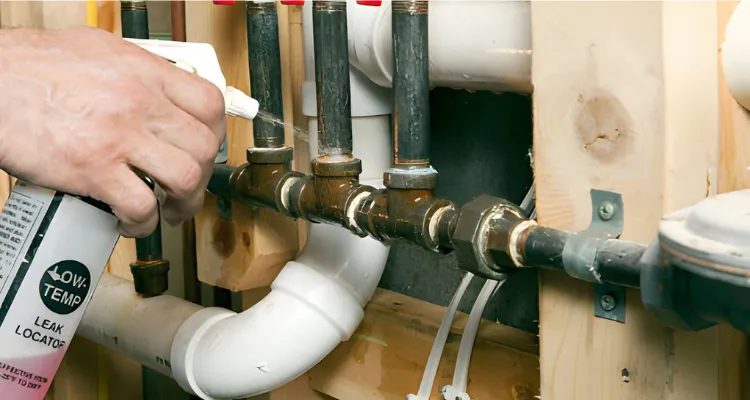
A gas utility or fire department response usually involves confirming whether gas is present using electronic detection equipment, identifying the general source if possible, and shutting off gas service if needed until a repair is made. HOW DO PLUMBERS FIND GAS LEAKS explains this detection process in more detail.
When It’s Safe to Return
Only return to the property once a professional explicitly confirms it’s safe to do so. If gas service was shut off, it typically stays off until the leak is repaired and the system is checked, If a damaged pipe, fitting, or connection is identified, gas line repair may be needed before the system can safely return to service. which may mean staying elsewhere until that work is complete.
Arranging Somewhere to Stay if Needed
If gas service needs to stay off for an extended period, especially if your home relies on gas for heating or hot water, it’s worth arranging somewhere else to stay in advance rather than waiting until you’re told the repair will take longer than expected. Ask the responding technician or your utility for a general estimate so you can plan accordingly.
Common Mistakes to Avoid
A few reactions are understandable in the moment but can increase risk rather than reduce it.
Trying to Air Out the House With Fans
Turning on a fan involves an electrical switch and motor, both of which carry the same spark risk as any other electrical device. Leave ventilation to natural airflow from any doors left open on your way out, not powered equipment.
Assuming a Faint Smell Isn’t Serious
A faint smell can still mean gas is present, especially if you’re experiencing some degree of olfactory fatigue after continuous exposure. Treat any noticeable smell, regardless of strength, with the same evacuation response.
Waiting to See if It Gets Worse
Delaying evacuation to monitor whether the smell increases wastes time you don’t need to spend in a potentially unsafe space. Leave first, and let a professional assess the severity once you’re safe.
Assuming Kids or Guests Know What to Do
Don’t assume that children, visiting family, or guests staying with you automatically know how to respond to a gas smell the way you might. A quick explanation ahead of time, covered in more detail below, helps everyone in the household react the same way when it matters.
Preparing Your Household Before an Emergency
A few steps taken ahead of time make the response faster and calmer if a real gas smell ever happens.
Save your gas utility’s emergency number, and your propane supplier’s number if applicable, somewhere every household member can access it quickly. Walk through the evacuation steps with your household so everyone, including children old enough to understand, knows what to do without needing instructions in the moment. Install both gas and carbon monoxide detectors, since they cover different hazards and can provide an earlier warning than smell alone in some situations.
Picking an Outdoor Meeting Point
Choose a specific spot outside your home, like a neighbor’s driveway or a mailbox down the street, as your designated meeting point during any evacuation. Having this decided in advance removes one more decision from a moment when quick, calm action matters most.
Reviewing the Plan Periodically
A household plan is only useful if people remember it when it matters. Revisiting the steps every so often, especially after any change in who lives in the home, helps make sure everyone, including newer household members, knows what to do without needing to think it through from scratch.
When to Call a Professional
Any gas smell, regardless of strength, calls for a professional response once you’ve evacuated safely. For a strong or worsening smell, that means your gas utility’s emergency line or 911. For a faint, one-time smell without other signs present, a licensed technician can perform a non-emergency inspection to confirm there’s no ongoing issue.
Frequently Asked Questions
What is the first thing I should do if I smell gas in my house?
Leave the house immediately with everyone in the household, without stopping to investigate the source or gather belongings. Avoid using light switches, phones, or other electrical devices on your way out, since a spark could ignite gas in the air.
Should I open windows if I smell gas?
Only if doing so doesn’t slow you down or require walking back into an area with a strong smell. Getting everyone out safely comes first, and opening a door or window on your way out is a helpful but optional step, not a required one.
Is it safe to turn off my gas at the shutoff valve myself?
Only if you can reach it quickly and safely without walking back through an area where you smell gas. In most cases, it’s safer to leave this step to the gas utility or emergency responders once you’ve evacuated.
How long should I wait before going back inside?
Wait until a professional explicitly confirms it’s safe to return. There’s no fixed time frame, since it depends on what’s found and whether gas service needs to stay off until a repair is completed.
What if I smell gas but I’m not sure it’s a real leak?
Treat any noticeable gas smell as a possible leak and follow the same evacuation steps. It’s always safer to have a professional confirm there’s no leak than to assume a smell isn’t serious and be wrong.
Should I call 911 or my gas company first?
Either is appropriate, since both are equipped to respond to a suspected gas leak, though your gas utility’s emergency line typically connects you directly with a technician trained for this specific situation. If you’re unsure which to call, 911 can also coordinate with your gas utility on your behalf.
Can I use a flashlight if I smell gas at night?
Yes, a battery-powered flashlight you already have in hand is safer than turning on a light switch, since it doesn’t involve the same spark risk. Avoid searching for a flashlight if it means turning on other lights or delaying your exit.
Getting Your Gas System Checked
If you’ve experienced a gas smell and want your appliances and gas lines inspected once the immediate situation has been resolved, El Paso Plumbing can check your system and explain what’s found. Call (915) 285-0087 or request service online to schedule an inspection. If you’re smelling gas right now, leave the property and contact your gas utility or emergency services first.