Gas leak detection typically costs $150 to $500 for a residential inspection, with most homeowners paying around $150 to $350. Leaks in hard-to-reach areas, like underground lines, can push costs toward $600 or more. Commercial properties often run $500 to $2,000 depending on system size.
If you suspect a gas leak, cost shouldn’t be the first thing on your mind, since safety always comes first. But once the immediate situation is handled, knowing what detection typically costs helps you understand a quote and plan for what comes next. This guide breaks down what affects gas leak detection pricing and how it differs from repair costs.
What Gas Leak Detection Typically Costs
A standard residential gas leak inspection generally falls in the $100 to $500 range. The exact price depends on the detection method used, how accessible the suspected leak is, and whether the visit happens during regular hours or as an emergency call.
| Scenario | Typical Cost Range | Notes |
|---|---|---|
| Basic inspection (accessible connections) | $100 – $300 | Visual check, soap bubble test, electronic detector scan |
| Standard residential detection | $150 – $500 | Most common range for a full home inspection |
| Hard-to-reach or underground leak | $300 – $600+ | Requires acoustic equipment or bar hole testing |
| Commercial property | $500 – $2,000+ | Larger systems, more connections, more labor |
| Emergency or after-hours service | 1.5 to 2 times standard rate | Priority response outside normal business hours |
What’s Included in the Price
A gas leak detection fee generally covers a diagnostic visit only, not the repair itself. That distinction matters when comparing quotes.
Diagnostic Time and Equipment
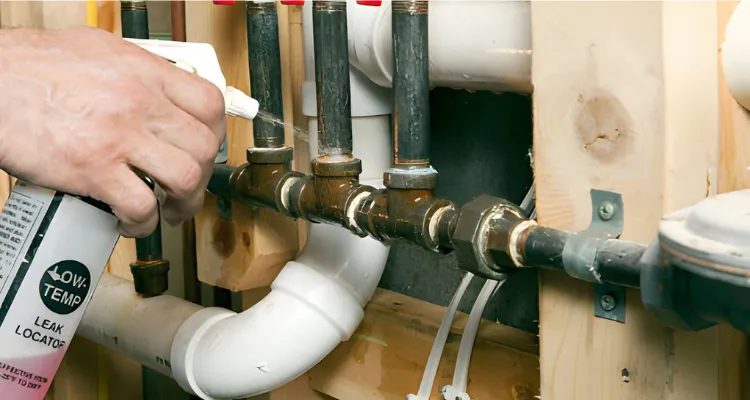
Most of the cost reflects the technician’s time and the equipment used, whether that’s a handheld electronic detector, a soap bubble test on visible fittings, or pressure testing across a section of line. Advanced equipment, like acoustic listening devices for hidden or underground leaks, generally costs more to use than a basic visual and soap test.
Service Call or Diagnostic Fee
Many companies charge a flat diagnostic fee just to send a technician out, often in the $75 to $150 range on its own. Some companies apply this toward a repair if you move forward with them the same day, while others charge it separately regardless. Ask before scheduling.
What’s Typically Not Included
Detection pricing usually doesn’t include the cost of the actual repair, permit fees if the work requires one, or restoring any drywall, flooring, or landscaping disturbed during the process. How Do Plumbers Find Gas Leaks covers the detection process itself in more detail if you want to understand what a technician does during the visit.
Getting an Itemized Breakdown
If a quote seems high or unclear, ask for an itemized breakdown of what’s covered, including the service call fee, equipment used, and technician time. This makes it easier to compare quotes between companies and understand exactly what you’re paying for.
What Affects the Cost
A handful of factors explain why one quote looks different from another for what seems like a similar job.
Detection Method Required
A leak at a visible, accessible connection can often be confirmed with a soap bubble test or basic electronic detector, which keeps costs on the lower end. A leak that isn’t visible, especially underground, requires acoustic or ultrasonic equipment and more technician time, which raises the price.
Leak Location and Accessibility
Leaks near an appliance or exposed pipe are quicker and cheaper to confirm than leaks behind walls, under a slab, or buried in a yard line. Harder access generally means more time on site, which shows up directly in the bill.
Property Size and System Complexity
A small home with a simple gas system takes less time to inspect than a larger home with multiple appliances and longer pipe runs. Commercial properties, with larger systems and more connections, cost more for the same reason.
Emergency vs. Scheduled Service
Emergency calls, especially after hours, typically cost more than a detection visit scheduled during normal business hours. Given the safety risk involved, urgency is often worth the added cost, but it’s still a factor that affects the final price.
Licensing and Local Labor Rates
Gas line work generally requires a specific license or certification beyond standard plumbing credentials, and labor rates for this specialized work vary by region. Areas with a higher cost of living or stricter licensing requirements tend to see higher detection prices.
Number of Appliances and Connections
A home with several gas appliances, such as a furnace, water heater, stove, dryer, and fireplace, has more connections to check than a home with just one or two. Each additional connection adds a bit more time to a thorough inspection, which can affect the overall cost.
Age of the Gas System
Older gas lines and fittings are more likely to have multiple weak points rather than a single isolated leak, which can mean a longer inspection to rule out additional problem areas. Newer systems in good condition are often quicker to check and confirm as leak-free or pinpoint a single source.
Questions to Ask Before Scheduling
A few direct questions can help you compare quotes accurately and avoid surprises on the final invoice.
- Is the diagnostic fee applied toward repair costs if I move forward
- Which detection method will be used for my specific situation
- Is the quote a flat rate or based on time and materials
- Does the price include a written report of what’s found
- Will the same company handle both detection and repair, or just one
Getting clear answers upfront makes it easier to compare providers on the actual scope of work rather than a number that might cover different amounts of service.
Ways to Manage Gas Leak Detection Costs
A few practical steps can help you avoid unnecessary expense without cutting corners on safety.
Schedule Before It Becomes an Emergency
Addressing a suspected leak, higher gas bill, or faint smell during normal business hours is generally less expensive than an emergency call once the situation has escalated. Acting on early warning signs helps you avoid the higher rates that come with urgent, after-hours service.
Ask for a Written Estimate
A written estimate that spells out what’s included, what detection method will be used, and whether the fee applies toward a repair helps you avoid confusion later. This is especially useful if you’re getting quotes from more than one company.
Maintain Your Gas Appliances
Routine maintenance on gas appliances can catch small issues, like a loose connection or aging fitting, before they develop into a leak that requires a more involved and costly detection process. Ask your technician about maintenance recommendations during a routine service visit.
Bundle Detection With Routine Inspections
If your gas appliances are due for routine service anyway, ask whether a general leak check can be added to that visit. Combining a routine inspection with a leak check sometimes costs less than scheduling two separate appointments, though this depends on how the provider structures its pricing.
Detection Cost vs. Repair Cost
Detection and repair are billed as separate steps in most cases, and it helps to understand how the two connect before you get a final number.
Why They’re Priced Separately
Detection confirms where the leak is. Repair fixes it. Some companies offer a combined estimate once the leak is located, while others quote each step independently. Ask upfront whether your quote includes both or just the diagnostic visit.
General Repair Cost Range
Repair costs vary widely based on severity and location, but minor repairs at an accessible fitting often start around $120 to $250, while more complex repairs involving hard-to-reach sections or line replacement can exceed $500. These figures are general industry ranges and should be confirmed locally before publishing.
What Can Increase Repair Costs
Once a leak is located, the repair itself may cost more if it involves replacing a larger section of pipe, working around a hard-to-reach connection, or addressing corrosion at multiple points rather than a single spot. A permit may also be required depending on your local code, which can add both time and a separate fee to the overall project.
Do-It-Yourself Detectors vs. Professional Detection
A basic natural gas or propane detector for home use typically costs $30 to $100 at retail. These devices are useful as an ongoing safety layer, sounding an alarm if gas concentration rises in the air.
They aren’t a substitute for professional detection once a leak is suspected. A home detector can tell you gas is present, but it can’t confirm the exact source or safely test connections and lines the way a licensed technician can. If a detector alarms or you smell gas, the next step is leaving the property and calling for help, not investigating further yourself.
Where a Home Detector Fits Into the Overall Cost Picture
Think of a home gas detector as an early warning tool rather than a cost-saving substitute for professional detection. It’s a one-time purchase that can prompt you to call for an inspection sooner, which often keeps the eventual detection and repair costs lower than they’d be if a leak went unnoticed longer.
Is Gas Leak Detection Worth the Cost?
A detection fee is a small cost compared to the risk of an undetected leak. Leaks left unaddressed can lead to fire, explosion, or health effects from prolonged exposure, and the cost of that outcome far exceeds a diagnostic visit.
Why Acting Early Saves Money
Detection is also generally cheaper before a leak becomes an emergency. A scheduled inspection prompted by a higher gas bill or a faint smell typically costs less than an emergency call once a leak has become more serious or obvious.
Comparing the Cost to Potential Consequences
Beyond the immediate cost comparison, an undetected gas leak can lead to property damage, higher gas bills from wasted fuel, and health effects from prolonged low-level exposure. Weighed against those possibilities, the cost of a detection visit is a modest expense for the reassurance and protection it provides.
Safety Comes Before Cost
If you currently smell gas or suspect an active leak, leave the property immediately rather than researching pricing first. Once you’re at a safe distance, call your gas utility’s emergency line or 911. Don’t use light switches, phones, or other electronics on your way out, and don’t return until a professional confirms it’s safe. Cost and scheduling can wait until the immediate safety concern is resolved.
Frequently Asked Questions
How much does it cost to check for a gas leak?
A standard residential gas leak inspection typically costs $100 to $500, with most homeowners paying around $150 to $350. Hard-to-reach or underground leaks can push the cost higher, often $600 or more, due to the specialized equipment required.
Is gas leak detection cheaper than water leak detection?
The two are generally in a similar price range, though gas leak detection can cost more when specialized equipment like acoustic listening devices is needed for hidden or underground leaks. Both typically fall in a broad $100 to $600 range depending on the method and location.
Does homeowners insurance cover gas leak detection?
It depends on the policy. Some policies cover sudden, accidental damage related to a gas leak but may not cover the diagnostic inspection itself. Review your specific policy or contact your insurer directly, since coverage terms vary between providers.
Why do some gas leak detection quotes vary so much?
Pricing depends heavily on the detection method needed, how accessible the suspected leak is, and whether the visit is scheduled or an emergency call. A simple, visible connection costs far less to check than a hidden leak requiring acoustic equipment.
Does the detection fee count toward a repair if one is needed?
It depends on the company. Some apply the diagnostic fee toward the repair cost if you hire them the same day, while others charge the two separately regardless. Ask this question before scheduling so there are no surprises on the final bill.
Is emergency gas leak detection more expensive?
Yes, emergency or after-hours detection typically costs 1.5 to 2 times more than a standard scheduled visit due to priority response and after-hours labor rates. Given the safety risk involved, this added cost is often worth it when a leak is actively suspected.
Do I need a permit for gas leak detection?
Detection itself typically doesn’t require a permit, since no repair work happens during the diagnostic visit. If the leak requires a repair involving new piping or structural work, a permit may be needed depending on your local code.
Scheduling a Gas Leak Inspection
If you’re dealing with a higher gas bill, a faint gas smell, or another sign covered in our related guides, and it isn’t an active emergency, El Paso Plumbing can inspect your gas lines and appliances and give you a clear cost breakdown before any work begins. Call (915) 285-0087 or request service online to schedule an inspection. If you suspect an active gas leak right now, leave the property and contact your gas utility or emergency services first.