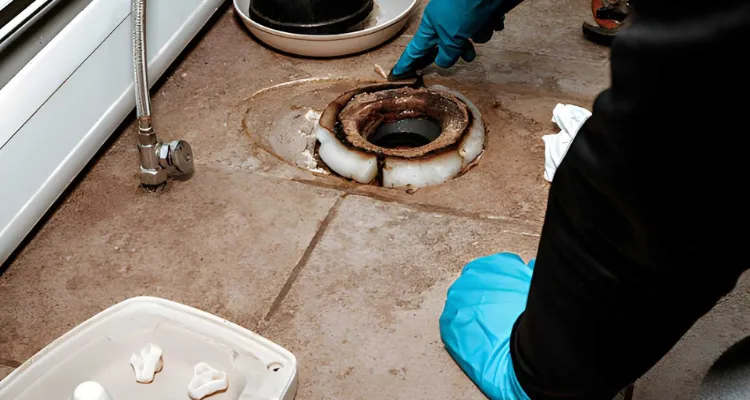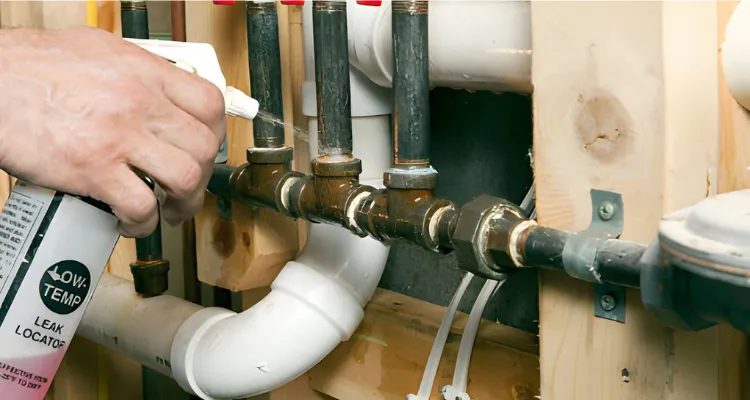
Common signs of a broken sewer line include sewage odors, slow or gurgling drains, sewage backups, unusually green or soggy patches in the yard, foundation cracks, and increased pest activity. Catching these signs early can help you avoid a full pipe collapse and a more expensive repair.
A sewer line failure rarely happens overnight. In most cases, the pipe cracks, sags, or separates gradually, and the damage shows up first as small, easy-to-miss changes around your home. Learning to recognize these early warning signs gives you a chance to call a plumber before the problem turns into a sewage backup or a collapsed line under your yard.
Why Does a Sewer Line Break in the First Place?
Sewer lines typically break due to age, tree root intrusion, ground shifting, poor installation, or corrosion of older pipe materials. Most residential sewer pipes are built to last 50 to 100 years, but grease buildup, root pressure, and soil movement can weaken and crack them well before then.
What Are the Early Warning Signs of a Broken Sewer Line?
The earliest signs of a broken sewer line are usually a persistent sewage odor and slow or gurgling drains throughout the house. These symptoms often appear before any visible backup or yard damage.
Does a Sewage Smell Mean the Sewer Line Is Broken?
Yes, a persistent sewage smell indoors or in the yard is one of the clearest signs of a broken sewer line. Indoors, the smell often shows up near the basement or lowest floor drain. Outdoors, it usually points to a cracked line leaking into the surrounding soil.
Do Gurgling Drains Mean the Sewer Line Is Broken?
Yes, gurgling sounds from toilets or drains often mean air is trapped in a damaged or blocked sewer line. As wastewater tries to move past the damaged section, trapped air escapes back through the pipes, creating the gurgling noise you hear at the fixture.
What Does a Sewage Backup Indicate About Your Sewer Line?
A sewage backup in a basement floor drain, tub, or toilet usually means the sewer line is broken or blocked and wastewater has nowhere else to go. If the problem may be a blockage rather than a broken pipe, see how to clear a main sewer line clog yourself. Since a broken line cannot drain properly, sewage looks for the lowest point in your plumbing system to escape.
Homes without a basement may see this backup show up in a first-floor shower or sink instead. In most cases, other warning signs appear before a backup reaches this stage, which is why early detection matters.
How Can Your Yard Show Signs of a Broken Sewer Line?
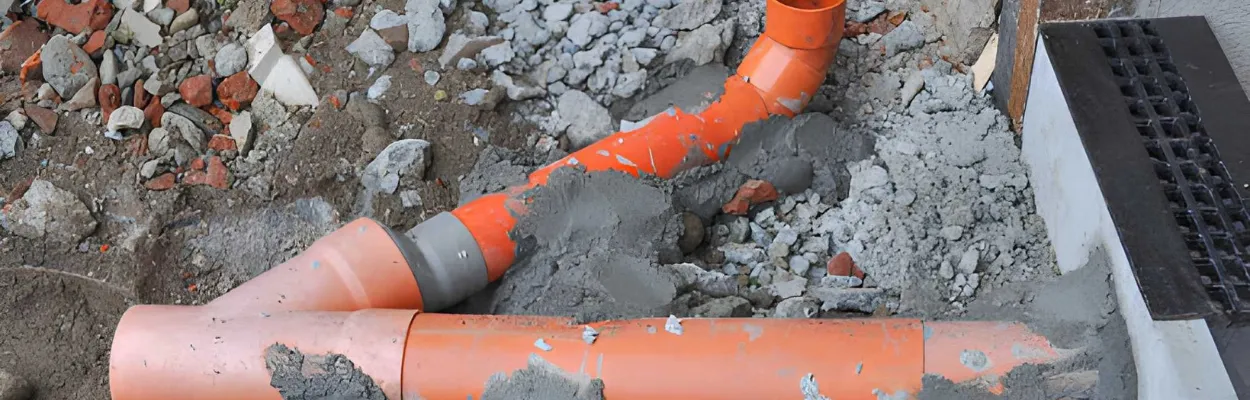
A broken sewer line can create soggy patches, sinkholes, and unusually green or fast-growing grass above the damaged section of pipe. These changes happen because leaking wastewater acts like fertilizer while also saturating the soil.
- Persistently soggy or wet ground with no sprinkler nearby
- Patches of grass that are noticeably greener or growing faster than the rest of the yard
- Small sinkholes or sunken areas forming along the pipe’s path
- A foul sewage smell concentrated near the yard or property line
Can a Broken Sewer Line Damage Your Foundation?
Yes, a cracked or leaking sewer line can erode the soil beneath your home, leading to foundation cracks or uneven settling. If you notice new cracks in your foundation or walls, or parts of your home shifting unevenly, a failing sewer line underneath could be the cause.
Can Pests Be a Sign of a Broken Sewer Line?
Yes, an increase in insects or rodents in or around your home can point to a broken sewer line that pests are using as an entry point. Rats, cockroaches, and sewer flies are drawn to the moisture and organic material in a damaged line, and they can enter your home through even small cracks or separated pipe joints.
When Should You Call a Plumber for a Suspected Broken Sewer Line?
Call a plumber as soon as you notice sewage odors, gurgling drains, repeated backups, yard damage, or pest activity near your sewer line. A professional can use a camera inspection to confirm the exact location and severity of the damage before recommending a repair or replacement.
Waiting on these signs often turns a small, affordable repair into a full sewer line replacement, especially if the pipe continues to erode the surrounding soil or crack further under pressure.
Frequently Asked Questions
Can a Broken Sewer Line Fix Itself?
No, a broken sewer line will not repair itself and typically worsens over time as soil movement, water pressure, and root growth continue to stress the damaged area. Professional repair or replacement is the only way to resolve it.
How Long Does It Take for a Broken Sewer Line to Get Worse?
A broken sewer line can worsen over months or years depending on the cause, though root intrusion and continued water flow through a crack can speed up deterioration. Addressing warning signs early is the best way to avoid a sudden collapse.
Is a Broken Sewer Line an Emergency?
A broken sewer line should be treated as an urgent repair, especially if you notice active sewage backup indoors, since it poses a health hazard and can cause significant property damage. Yard-only symptoms still need prompt attention but may allow slightly more time to schedule a repair.