A high water bill has 2 main causes: increased household water use or a hidden plumbing leak. Common leak sources include a silent toilet flapper, a dripping faucet, an irrigation line, or an underground water-service line. A water meter test confirms which cause applies before any repair starts.
Did Your Water Use Actually Increase?
Compare the current bill to past bills before assuming a leak exists. 3 factors explain a higher bill without a leak: a rate change, a longer billing period, or higher household use.
Water usage is measured in gallons or CCF (hundred cubic feet), not dollars. A rate increase from El Paso Water raises the dollar amount without raising the gallons used. A billing cycle with extra days increases total usage even when daily use stays the same.
Several home changes raise water use directly:
- Hosting guests increases daily water use
- Installing new landscaping increases irrigation demand
- Filling a pool adds a one-time large volume
- Running a construction project on-site adds water use
- A hotter month increases outdoor watering frequency
Check El Paso Water’s site for rate updates before ruling out a leak. A leak becomes the likely cause once these 5 normal explanations are excluded.
Which Hidden Plumbing Leaks Raise a Water Bill?
7 plumbing sources commonly raise a water bill without any visible sign. Each source leaks water continuously or intermittently, without a visible puddle.
Does a Silent Toilet Leak Raise a Water Bill?
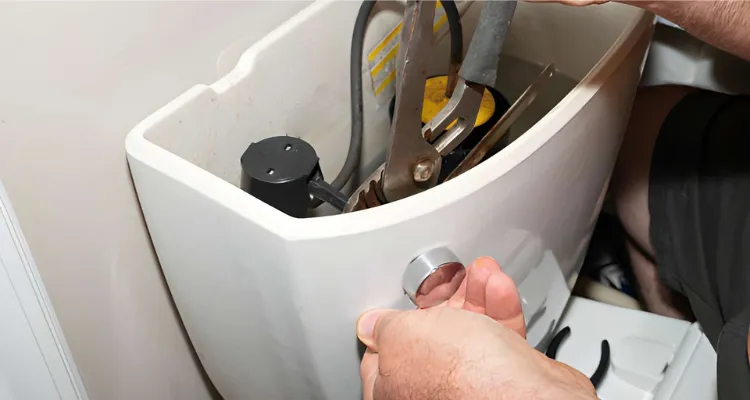
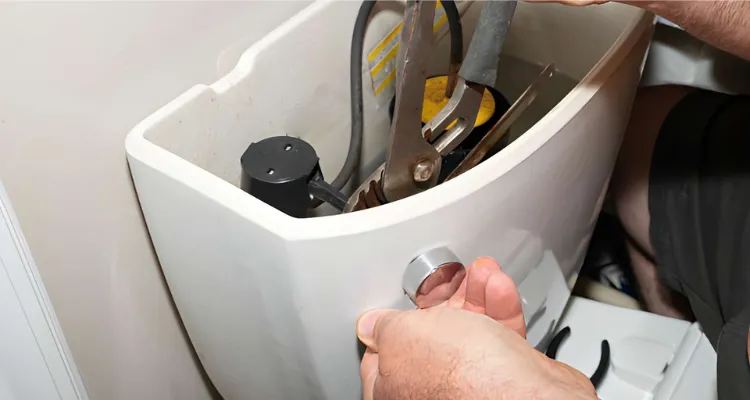
Yes. A worn flapper or a misaligned fill valve lets water trickle from the tank into the bowl continuously. This leak type produces no overflow and no puddle, so it runs undetected for weeks.
Do Dripping Faucets Waste Enough Water to Raise a Bill?
Yes. A faucet dripping once every 1-2 seconds adds up across a full billing cycle. A worn washer, cartridge, or valve seat causes this drip. Shower valves leak the same way, often inside the wall where the leak stays hidden. For step-by-step instructions, see how to fix a leaky single-handle faucet
Do Irrigation Systems Cause Hidden Water Loss?
Yes. A cracked irrigation line, a broken sprinkler head, or a valve stuck open sends water into the ground after the watering cycle ends. This leak type occurs overnight or while the homeowner is away, which delays detection.
Do Evaporative Coolers Increase Water Use?
Yes, in homes that use them. An evaporative cooler relies on a float valve and a water-supply line to keep the cooling pad wet. A stuck float valve or a misconfigured drain increases the cooler’s water use above normal.
Do Appliance Supply Lines Leak Water?
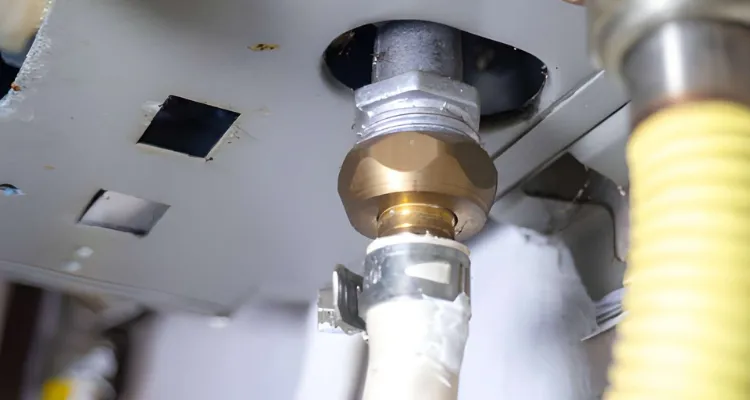
Yes. Water heaters, washing machines, dishwashers, ice makers, and water softeners each use a supply line that can develop a small leak over time. The leaking water drains through a floor drain or collects behind the appliance, out of normal view.
Do Pool and Fountain Auto-Fill Valves Cause Leaks?
Yes. A faulty auto-fill valve keeps adding water after the pool or fountain reaches its set level. Because the system is designed to top off water automatically, this leak type goes unnoticed for long periods.
Can an Underground Water-Service Line Leak Without Surfacing?
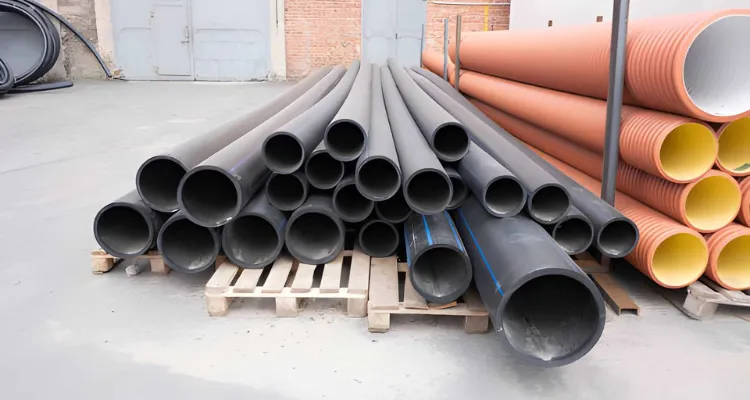
Yes. The water-service line runs between the meter and the house. Surrounding soil absorbs the leaking water before it reaches the surface. A soft or unusually green patch of ground above the line is often the only visible sign before a puddle forms.
What Are the Signs of a Slab Leak or a Leak Behind a Wall?
A slab leak is a leak inside or below a home’s concrete foundation. 3 warning signs indicate a slab leak or a wall leak: a warm spot on the floor, a damp patch on a wall, and the sound of running water with every fixture off. No single sign confirms a leak alone; the 3 signs together justify an inspection.
How Do You Check a Home for a Hidden Water Leak?
Turn off every fixture first, then read the water meter twice with a 30-to-60-minute gap between readings. An 8-step process confirms a leak using the water meter and a simple toilet test:
- Turn off all faucets, fixtures, irrigation systems, and water-using appliances.
- Turn off automatic systems, including a pool fill valve and an evaporative cooler.
- Record the water meter reading or note its flow indicator.
- Wait 30 minutes to 1 hour without using any water.
- Check the meter again for a changed reading or a moved flow indicator.
- Add food coloring to each toilet tank, wait 10 minutes without flushing, then check the bowl for color.
- Walk the property and look for damp soil, standing water, or a greener patch of grass.
- Listen for hissing or running water near walls that contain plumbing.
Meter designs vary by property. Follow El Paso Water’s current instructions for the specific meter type installed at the property.
A safety rule applies during this test: do not force open a meter box or enter a confined or unsafe space. Stay away from standing water near electrical outlets or equipment. Call a professional immediately for an active pipe burst or serious flooding, instead of running this test.
When Does a High Water Bill Require Professional Leak Detection?
8 signs indicate a leak that a homeowner cannot locate alone:
- The meter shows water use with every fixture and appliance off
- The bill stays high across more than 1 billing cycle
- Water pressure drops without an obvious cause
- Floors, walls, or cabinets feel damp
- Paint bubbles or drywall shows a new stain
- Water sounds move inside a wall
- One area of the floor feels warmer than the rest
- The ground near the water-service line stays wet without rain or watering
Each sign has more than 1 possible explanation. A professional inspection is the only method that confirms the exact cause. A plumber who offers professional leak detection should be contacted once a home inspection fails to find the source.
How Does a Plumber Find a Hidden Leak?
A plumber locates a hidden leak through a 7-step process, not a single test. The process includes:
- Reviewing recent water-use patterns and billing history
- Checking toilets, fixtures, appliances, and shutoff valves throughout the property
- Isolating sections of the plumbing system to narrow the water-loss location
- Pressure testing the system to detect a pressure drop
- Inspecting exposed pipes and the water heater for moisture or corrosion
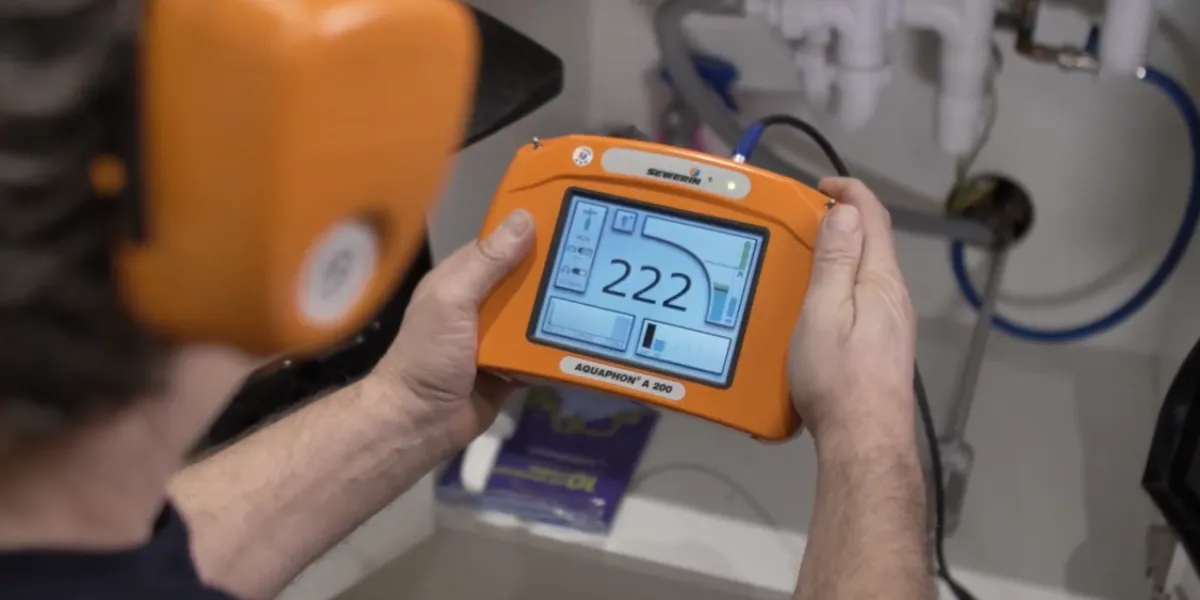
- Using specialized leak-detection equipment when the situation requires it
- Explaining the findings before repair work begins
A slab leak repair or a water-line repair starts with this process rather than a single quick test.
How Much Does Hidden-Leak Repair Cost?
Hidden-leak repair cost varies by 6 factors, so no single price applies to every leak. The 6 factors are:
- Leak location
- Pipe material
- Access difficulty
- Whether walls, flooring, concrete, or landscaping require opening
- Repair type required
- Additional water damage beyond the plumbing itself
A written diagnosis and estimate should precede any repair work. A plumber should explain the findings and the required repair before the homeowner approves the work.
Can El Paso Water Adjust a Bill Caused by a Hidden Leak?
Yes, for qualifying hidden leaks. El Paso Water’s leak adjustment program covers leaks located behind a wall, underground, or under a foundation. The adjustment amount is based on average usage history, and it applies to a limited number of billing periods with restrictions on program frequency.
El Paso Water also automatically enrolls eligible customers in a separate leak protection program for an additional monthly fee. Customers can opt out of this program.
Program details, fees, and eligibility rules change over time. Verify current requirements on the official El Paso Water website before assuming eligibility. A bill adjustment, if approved, covers only the water portion of the bill. It does not cover the plumbing repair cost, which still requires separate payment.
How Do You Prevent Another Surprise Water Bill?
8 recurring habits catch a leak before it produces a high bill:
- Test toilets for silent leaks using the food-coloring method a few times per year
- Check the water meter periodically when no water should be running
- Inspect appliance hoses and shutoff valves for wear or corrosion
- Walk the yard periodically to check for irrigation leaks
- Review monthly water use to catch a change early
- Repair small drips immediately after noticing them
- Locate the main water shutoff valve before an emergency occurs
- Schedule a professional inspection if warning signs continue after checking the obvious spots
When Should You Call an El Paso Plumber?
Call a plumber once the water meter shows use with every fixture off and the obvious causes are ruled out. El Paso Plumbing inspects plumbing systems and locates hidden leak sources. Call (915) 285-0087 or request service online.
Frequently Asked Questions
Can a leaking toilet cause a very high water bill?
Yes. A worn flapper or fill valve lets water run continuously into the bowl without overflowing. This leak type wastes a large volume of water across a full billing cycle before detection.
Why is my water bill high when I cannot see a leak?
Many leaks occur underground, behind a wall, or under a foundation. The water meter test confirms water use even when every fixture in the house is off.
How can I tell whether my water meter is showing a leak?
Turn off every fixture and appliance, then record the meter reading or flow indicator. Wait 30 minutes to 1 hour without using water, then check the meter again. A changed reading or a moved indicator confirms water is flowing somewhere in the system.
Can an underground pipe leak without creating a puddle?
Yes. Soil absorbs leaking water before it reaches the surface. An unusually green or damp patch of grass above the water-service line often appears before any puddle forms.
Should I call the water utility or a plumber first?
Call a licensed plumber for a suspected leak on the property side of the meter. Call El Paso Water for billing questions and possible adjustments; El Paso Water generally does not repair private plumbing.
Can El Paso Water adjust a bill caused by a hidden leak?
Yes, for qualifying hidden leaks, based on specific eligibility rules and usage history. Requirements and limits change over time, so check the current policy on the official El Paso Water website before assuming eligibility.