Water hammer is a loud banging sound in your pipes caused by a sudden stop in water flow, usually when a valve or appliance shuts off quickly. The moving water’s energy has nowhere to go, so it slams against the pipe walls, creating a pressure surge that produces the noise.
If you’ve ever turned off a faucet or heard your washing machine finish its cycle and been startled by a loud bang from inside the walls, you’ve experienced water hammer. It’s a common plumbing phenomenon, and while a single occurrence usually isn’t an emergency, repeated water hammer can cause real, cumulative damage.
This article explains what’s actually happening inside your pipes during water hammer, what typically causes it, and why the noise is worth taking seriously even though it might seem harmless at first.
What Water Hammer Actually Is
Water hammer, also called hydraulic shock, is a pressure surge that happens when flowing water is forced to stop or change direction abruptly. Understanding why requires a quick look at how water behaves as it moves through your pipes.
The Physics Behind the Bang
Water moving through a pipe carries kinetic energy from its motion. When a valve closes suddenly, that moving water has nowhere to go, so its kinetic energy converts into a pressure spike. This surge travels through the pipe at high speed, and when it hits a fitting, valve, or elbow, the impact produces the banging sound associated with water hammer, sometimes loud enough to be heard from another room entirely.
Why Water Behaves This Way
Water is essentially incompressible, meaning it can’t be squeezed into a smaller space the way air can. When water in motion is suddenly stopped, that energy can’t simply disappear or compress. It has to go somewhere, and that somewhere is often a shockwave that pushes against the pipe itself.
Why It Happens So Fast
The pressure wave created by water hammer travels through the plumbing system at nearly the speed of sound, which is why the bang seems to happen instantly the moment a valve closes. This speed is also part of why the resulting force can be so much stronger than the water’s normal operating pressure, sometimes many times higher for a brief instant.
Common Causes of Water Hammer
A handful of specific situations account for most cases of water hammer in residential plumbing.
Fast-Closing Appliance Valves
Washing machines, dishwashers, ice makers, and sprinkler systems often use solenoid valves that close very quickly at the end of a cycle. This rapid closure is a common trigger, and if the banging happens consistently right when one of these appliances finishes running, that appliance is likely the source.
High Water Pressure
Household water pressure above the typical recommended range of 45 to 55 psi increases the force behind moving water, which makes a sudden stop more forceful and more likely to cause a noticeable water hammer. Homes with consistently high pressure tend to experience water hammer more frequently and more intensely.
Loose or Unsecured Pipes
Pipes that aren’t properly secured to a home’s structural framing can shift, wiggle, or vibrate when a pressure change occurs, which amplifies the banging sound. Older homes are more likely to have pipes that were never adequately strapped down or that have loosened over time.
Missing or Waterlogged Air Chambers
Many plumbing systems include small air chambers built into the pipes near fixtures, designed to cushion sudden pressure changes. Over time, these chambers can fill with water instead of air, losing their ability to absorb the shock. Homes without air chambers at all, often older systems, are also more prone to water hammer.
Manually Closing a Valve or Faucet Too Quickly
Shutting off a faucet or valve abruptly, particularly one that was running at full flow, can trigger the same sudden stop that causes water hammer from an appliance. This is less common as a primary cause but can still contribute, especially in a system already prone to pressure surges.
Pump-Related Causes
In homes with a well pump or booster pump, a sudden pump shutdown or startup can also trigger a pressure surge similar to water hammer, sometimes called pump-induced hydraulic shock. This is less common in typical municipal-supply homes but worth mentioning to a plumber if your home relies on a pump system.
Multiple Causes Acting Together
In many homes, water hammer isn’t caused by just one factor in isolation. High pressure combined with a fast-closing appliance valve, for example, can produce a stronger and more frequent water hammer than either factor would on its own. Identifying every contributing factor, not just the most obvious one, often leads to a more complete fix.
What Water Hammer Sounds Like
Recognizing the specific sound helps distinguish water hammer from other plumbing noises.
The Characteristic Bang or Knock
Water hammer typically produces a single, sharp bang or a series of knocking sounds immediately after a valve closes or an appliance cycle ends. It’s noticeably different from a gentle whooshing sound, which is normal, or a continuous rattling, which often points to a different issue.
Timing Is a Key Clue
The sound usually occurs at a predictable moment, right when a faucet is shut off or right as a washing machine or dishwasher completes a fill cycle. This timing pattern is one of the most useful clues for identifying water hammer specifically rather than another plumbing problem.
Where in the Home It’s Most Noticeable
Water hammer is often most noticeable near the fixture or appliance closest to where the flow stopped, though the sound can also travel through connected pipes and seem to come from elsewhere in the house, like inside a wall a room away. Tracking which fixture triggers the sound each time helps narrow down the likely source even if the noise itself seems to come from somewhere else.
Common Causes at a Glance
| Cause | What Happens | Typical Trigger Moment |
|---|---|---|
| Fast-closing appliance valves | Solenoid valve shuts quickly, stopping flow abruptly | End of a washing machine, dishwasher, or ice maker cycle |
| High water pressure | Excess force behind moving water makes stops more forceful | Any valve or faucet closing |
| Loose or unsecured pipes | Pipes shift or vibrate when pressure surges | Any sudden flow change |
| Waterlogged or missing air chambers | No cushioning available to absorb the pressure surge | Any sudden flow change |
| Quickly closing a faucet manually | Abrupt stop of flowing water | Right as the faucet is shut off |
Why Water Hammer Matters Beyond the Noise
A single instance of water hammer is unlikely to cause serious damage, but the real concern is what happens with repeated occurrences over time.
Cumulative Wear on Pipes and Fittings
Repeated pressure surges gradually loosen threaded connections, stress soldered joints, and fatigue pipe material, particularly in older plumbing systems. This kind of damage builds slowly and is often invisible until a fitting or joint fails unexpectedly.
A Hidden Contributor to Leaks
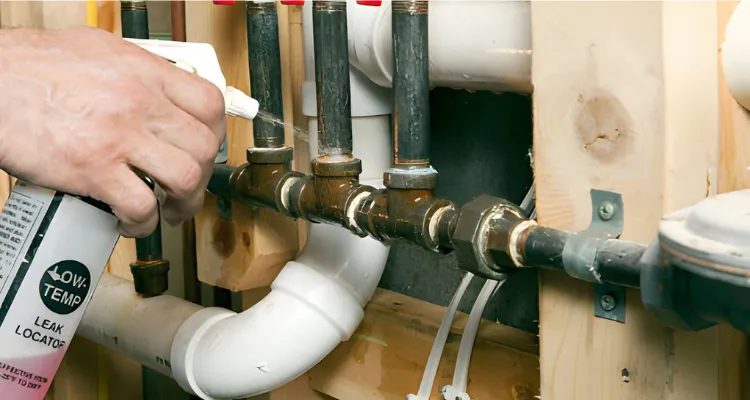
Because the wear from water hammer accumulates gradually and out of sight, it’s sometimes an underlying cause behind a pipe leak that otherwise seems to have no clear explanation. A joint that’s been stressed repeatedly by pressure surges is more likely to eventually fail than one that’s never experienced this kind of shock. If repeated water hammer is followed by unexplained moisture or water damage, leak detection can help determine whether a stressed connection has started leaking.
Why This Matters for Repair Costs
Water damage from plumbing failures is one of the more common and costly categories of homeowner insurance claims, and addressing a contributing cause like water hammer early is generally far less expensive than dealing with the aftermath of a failed pipe or fitting. Treating the banging sound as an early warning rather than background noise can help avoid that outcome.
Damage to Connected Fixtures
Beyond the pipes themselves, water hammer’s pressure spikes can also affect pressure gauges, valves, and even the diaphragm inside a pressure tank, since the shockwave travels through the entire connected system rather than staying contained to one section of pipe.
Why the Damage Is Easy to Miss
Because water hammer’s effects build slowly and rarely produce an obvious sign beyond the noise itself, it’s easy to treat the banging as a minor annoyance rather than a symptom of ongoing wear. By the time a leak or fitting failure actually shows up, the underlying cause may have been present and unaddressed for months or years.
Water Hammer vs. Other Plumbing Noises
Not every sound coming from your pipes is water hammer, and telling them apart helps you describe the issue accurately if you need a professional’s help.
Gurgling or Bubbling Sounds
A gurgling sound, especially one associated with drains rather than supply lines, more often points to a venting issue or a partial blockage than to water hammer, which is specifically tied to supply-side pressure changes.
Continuous Rattling or Vibration
A rattling sound that continues while water is actively running, rather than occurring in a single moment right after a valve closes, often points to a different issue, like a loose fixture or a partially closed valve creating turbulence.
Whistling or Screeching
A whistling or screeching sound while water is flowing is more commonly associated with a partially closed valve or a worn washer inside a fixture than with water hammer, which produces a distinct bang rather than a sustained tone.
Ticking or Popping as Pipes Change Temperature
A ticking or popping sound, especially as hot water starts flowing through pipes, often relates to pipes expanding and contracting with temperature change rather than a pressure surge. This sound tends to be softer and more drawn out compared to the sharp, immediate bang of water hammer.
Is Water Hammer Dangerous?
Water hammer itself isn’t an emergency in the way an active leak or burst pipe is, but ignoring it isn’t risk-free either.
Short-Term Risk
A single occurrence of water hammer is unlikely to cause immediate, noticeable damage. The noise, while startling, doesn’t typically indicate an active problem in that specific moment.
Long-Term Risk
Left unaddressed, repeated water hammer can weaken joints and connections to the point of failure, potentially resulting in a pipe leak or, in severe cases, a burst pipe or fitting. The pressure spikes involved can occasionally exceed several times the system’s normal working pressure, which is a meaningful stress on aging or already weakened plumbing.
Factors That Increase the Risk
A few conditions make water hammer more likely to cause real damage over time rather than staying a harmless nuisance. These include already-aging pipe material, a home with consistently high water pressure, and plumbing that lacks any air chambers or arrestors to absorb the surges. Homes with several of these factors present at once face a higher cumulative risk than a newer home with a single fast-closing appliance valve.
When to Address Water Hammer
A few situations make addressing water hammer more of a priority than others.
Frequent or Intensifying Occurrences
If the banging has become more frequent or noticeably louder over time, that pattern suggests the underlying cause, whether pressure, a specific appliance, or pipe condition, may be worsening rather than staying constant.
Older Homes and Aging Plumbing
Homes with older pipes, especially those without air chambers or water hammer arrestors already installed, are more vulnerable to cumulative damage from repeated pressure surges. Addressing the cause sooner in an older system can help avoid a leak that develops from accumulated stress.
After Any Plumbing Changes
If water hammer starts after a plumbing repair, a new appliance installation, or a change in your home’s water pressure, it’s worth mentioning that timing to a plumber, since it can help identify the specific cause more quickly.
When It Affects Multiple Fixtures
If the banging happens at more than one fixture or appliance throughout the home rather than being tied to a single source, that pattern often points to a system-wide issue like high water pressure rather than a single fast-closing valve. This distinction matters because it usually calls for a different fix, addressing the pressure at its source rather than installing an arrestor at just one connection.
When to Call a Professional
While some causes of water hammer can be identified fairly easily by noting which fixture or appliance is running when the sound occurs, diagnosing water pressure issues and installing solutions like water hammer arrestors or air chamber repairs typically involves plumbing knowledge and, in some cases, specialized parts.
A plumber can measure your home’s water pressure to confirm whether it’s within a safe range, inspect your pipes for secure mounting and air chamber condition, and recommend the right fix based on what’s actually causing the surges in your specific system.
What an Inspection Typically Involves
A thorough assessment usually includes checking your main water pressure with a gauge, identifying which fixtures or appliances trigger the sound, and inspecting accessible pipe runs for secure strapping and visible signs of wear. From there, a plumber can recommend a targeted fix, whether that’s a pressure-reducing valve, arrestors at specific connections, or securing loose pipe sections.
Frequently Asked Questions
What does water hammer sound like?
Water hammer typically produces a sharp bang or a series of knocking sounds immediately after a valve or faucet closes or an appliance finishes a fill cycle. It’s distinct from continuous rattling or whistling, which usually point to a different plumbing issue.
Is water hammer bad for my pipes?
A single occurrence usually isn’t harmful, but repeated water hammer over time can gradually loosen fittings, stress soldered joints, and weaken pipe material. This cumulative wear is sometimes an underlying cause behind leaks that otherwise seem to have no clear explanation.
Why does water hammer happen only with my washing machine?
Washing machines, along with dishwashers and ice makers, often use fast-closing solenoid valves that shut abruptly at the end of a cycle. If the banging consistently happens right when that appliance finishes filling, the appliance’s valve is likely the direct cause.
Can high water pressure cause water hammer?
Yes. Water pressure above the typical recommended range of 45 to 55 psi increases the force behind moving water, making a sudden stop more forceful and more likely to produce a noticeable bang. Consistently high pressure tends to make water hammer both more frequent and more intense.
Does every home have air chambers to prevent water hammer?
Not necessarily. Air chambers are a common feature in many plumbing systems, but they can become waterlogged over time and lose their cushioning ability, and some older homes were never built with them at all. A plumber can check whether your home has functioning air chambers or whether other solutions are needed.
Can I fix water hammer myself?
Some causes, like a waterlogged air chamber, can sometimes be addressed with simpler fixes, though confirming the exact cause and choosing the right solution, including any needed pressure adjustment or arrestor installation, generally benefits from a professional assessment, especially if the noise is frequent or has been ongoing for a while.
Does water hammer only happen in older homes?
No. While older homes are more susceptible due to aging pipes, missing air chambers, or looser fittings, water hammer can happen in a home of any age, particularly when a fast-closing appliance valve or high water pressure is involved. Newer homes with modern fixtures aren’t immune, especially if pressure levels run high.
What is a water hammer arrestor?
A water hammer arrestor is a small device installed near a fixture or appliance that absorbs pressure surges using a sealed air chamber or spring-loaded piston, cushioning the shock before it travels further through the plumbing system. Arrestors are often installed at the specific connection causing the noise, such as behind a washing machine.
Can water hammer cause a pipe to burst?
In severe or long-neglected cases, yes. Repeated pressure spikes can weaken pipe material and joints over time, and in extreme situations, the shock from water hammer alone has been known to contribute to a fitting or pipe failure, particularly in already aging or compromised plumbing.
Getting Water Hammer Diagnosed
If you’re hearing banging or knocking in your pipes, El Paso Plumbing can identify the cause, check your water pressure, and recommend the right fix for your plumbing system. Call (915) 285-0087 or request service online to schedule an inspection.