Sewer line repair costs typically range from $1,500 to $7,000, with most homeowners paying around $3,500. The exact price depends on the repair method, pipe length, depth, and whether the job requires excavation or can be done with trenchless technology. If you suspect your sewer line needs professional attention, learn more about our sewer line repair service.
A damaged or clogged sewer line is one of those problems that can go from a minor inconvenience to a major expense fast. Knowing what drives the cost helps you understand a quote, compare bids, and decide whether a repair or a full replacement makes more sense for your home. This guide breaks down the typical price ranges by repair method, the factors that raise or lower cost, and the warning signs that mean it is time to call a plumber.
How Much Does Sewer Line Repair Cost on Average?
Most homeowners spend between $1,500 and $7,000 on sewer line repair, with a national average close to $3,500. Smaller fixes like snaking a clog cost far less, while extensive damage requiring excavation and pipe replacement sits at the top of that range. If you’re dealing with a clog before considering repair, see our guide on how to clear a main sewer line clog yourself.
| Repair Type | Typical Cost |
|---|---|
| Snaking or clearing a clog | $150 – $500 |
| Hydro jetting | $600 – $1,400 |
| Spot repair (small section) | $1,500 – $4,000 |
| Trenchless pipe lining (CIPP) | $90 – $250 per linear foot |
| Pipe bursting (trenchless replacement) | $60 – $200 per linear foot |
| Full excavation and replacement | $3,000 – $10,000+ |
What Factors Affect Sewer Line Repair Cost?
Pipe length, depth, material, location, and repair method are the main factors that determine the final cost of sewer line repair. A shallow, easily accessible line costs far less to fix than one running deep under a driveway or mature tree roots.
Does Pipe Length Affect the Price?
Yes, most sewer line repairs are priced per linear foot, so longer damaged sections cost more to fix. Pricing generally falls between $50 and $250 per linear foot, depending on the method used and how deep the pipe sits underground.
Does Pipe Material Matter?
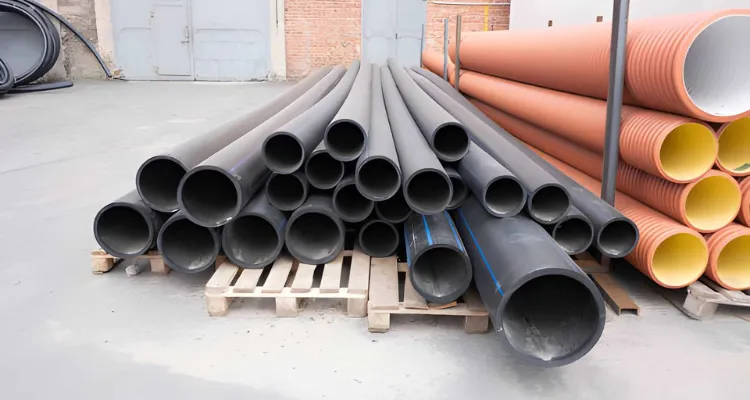
Yes, pipe material affects both repair cost and long-term durability, with PVC being the most affordable option and copper the most expensive. Older homes often have cast iron or clay pipe, which can add cost since these materials are more prone to cracking and root intrusion.
Does Location Affect Cost?
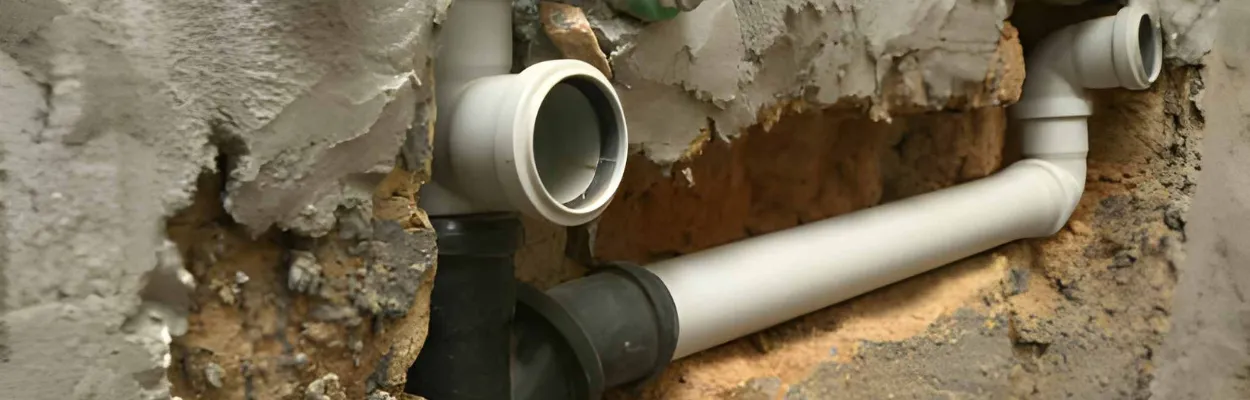
Yes, a sewer line running under a driveway, patio, or mature landscaping costs more to repair because of the extra work needed to access it. Breaking and restoring concrete or hardscaping can add hundreds or even thousands of dollars to a project.
What Is the Difference Between Trenchless and Traditional Sewer Repair Cost?
Trenchless repair methods typically cost less overall than traditional excavation because they avoid the expense of digging up and restoring your yard or driveway. Traditional excavation may still be necessary for severely collapsed or misaligned pipes.
What Does Trenchless Sewer Repair Cost?
Trenchless repair methods like pipe lining and pipe bursting generally cost $60 to $250 per linear foot. These methods work by inserting or pulling new pipe material through the existing line, which limits the need to dig.
What Does Traditional Sewer Line Replacement Cost?
Traditional excavation and replacement typically costs $3,000 to $10,000 or more, depending on pipe length, depth, and surface restoration needs. This method involves digging a trench to fully expose and replace the damaged pipe, which adds labor and restoration costs.
What Are the Warning Signs You Need Sewer Line Repair?
Slow drains throughout the house, gurgling pipes, sewage odors, and wet patches in the yard are common signs a sewer line needs repair. Catching these signs early can help you avoid a small repair turning into a full replacement.
- Multiple drains backing up or draining slowly at the same time
- Gurgling sounds coming from toilets or drains
- A persistent sewage smell indoors or in the yard
- Soggy patches or unusually green grass over the sewer line’s path
- Sewage backing up into a basement floor drain
What Causes Sewer Line Damage?
Tree root intrusion, grease buildup, aging pipe materials, and ground shifting are the most common causes of sewer line damage. Older neighborhoods with mature trees and aging clay or cast iron pipe tend to see repeat problems.
Common causes include:
- Tree roots growing into pipe joints in search of moisture
- Grease and oil hardening inside the pipe over time
- Flushed wipes or hygiene products that do not break down
- Ground shifting or freezing temperatures putting stress on pipe joints
- General wear from decades of use, especially in pre-1960s homes
How Can You Lower Your Sewer Line Repair Cost?
Scheduling regular camera inspections, avoiding flushing non-flushable items, and addressing small clogs early can help lower long-term sewer line repair costs. Preventive maintenance often costs far less than emergency repairs.
- Schedule a camera inspection every couple of years, especially in older homes.
- Never pour grease down the drain.
- Never flush wipes, paper towels, or hygiene products, even ones labeled flushable.
- Clear tree roots early with jetting before they crack the pipe.
- Get multiple quotes and ask whether a camera inspection was used to confirm the diagnosis.
Frequently Asked Questions
Is It Cheaper to Repair or Replace a Sewer Line?
Repairing a sewer line is almost always cheaper than a full replacement, but repair is only an option if the damage is limited to a small section. Collapsed or severely damaged pipe usually requires replacement rather than repair.
Does Homeowners Insurance Cover Sewer Line Repair?
Standard homeowners insurance often does not cover sewer line repair unless the damage results from a covered event, such as a sudden pipe burst rather than gradual wear or tree root intrusion. Checking your policy or adding a service line endorsement can help cover future repairs.
How Long Does a Sewer Line Repair Last?
A properly completed sewer line repair, whether trenchless or traditional, can last several decades depending on the pipe material and how well the surrounding soil and roots are managed. PVC and other modern materials tend to outlast older clay or cast iron pipe.