Yes, hydro jetting can damage pipes, but properly controlled jetting rarely harms pipes in sound condition. Risk rises with damaged, weak, corroded, or collapsed pipes. A professional inspection and correctly matched pressure and equipment help prevent problems before cleaning begins.
Hydro jetting has become a common way to clear stubborn clogs, but many homeowners hesitate before approving it. The question makes sense. Water under high pressure sounds like something that could hurt a pipe as easily as help it. This article looks closely at when hydro jetting is safe, when it carries more risk, and what determines the difference. You’ll learn how pipe material, age, and condition affect the outcome, why the equipment settings matter as much as the technique, and what to ask a plumber before you approve the service.
What Is Hydro Jetting?
Hydro jetting is a drain-cleaning method that uses pressurized water to clean the inside of a pipe. A plumber feeds a flexible hose through a cleanout or other access point, with a specialized nozzle at the end.
As the hose moves through the line, water jets shoot out in different directions. These jets help pull the hose forward, break apart buildup that the pipe can safely handle, and push loosened debris toward an access point where it can be removed.
Hydro jetting can clean more of the inner pipe wall than some basic clearing methods. It doesn’t restore a pipe to a brand-new state, though, and it isn’t a repair method for structural problems.
Can Hydro Jetting Damage Pipes?
Hydro jetting does not automatically damage a pipe. A structurally sound pipe, cleaned with the right pressure, flow, and nozzle, usually handles the process without harm.
Damage becomes more likely under certain conditions. These include a pipe that’s already cracked, one with structural weakness, equipment settings that don’t match the pipe, the wrong nozzle for the job, an operator who keeps pushing against a hard obstruction, or a pipe that should have been inspected first but wasn’t.
In some cases, water pressure exposes damage that was already present rather than creating it from nothing. A pipe with a hidden crack or a thinning wall may reveal that weakness once water moves through it under pressure. That doesn’t mean jetting risk isn’t real. It means the pipe’s starting condition plays a large role in the outcome.
Which Pipes Are Most at Risk?
Certain pipe conditions raise the odds of a problem during hydro jetting.
Severely Corroded Metal Pipes
Corrosion can eat away at a metal pipe wall over time, leaving it thin and weak in spots. High-pressure cleaning may expose a hole in a corroded section or worsen an area that was already failing. Not every cast-iron or metal pipe carries this risk. Condition, not material alone, determines how the pipe responds.
Cracked or Separated Pipes
Water jets can work their way into an existing crack or a joint that has come apart slightly. A pipe with this kind of structural damage often needs repair before it can handle aggressive cleaning safely.
Collapsed Pipes
Hydro jetting cannot fix a pipe that has already collapsed. Continuing to jet against a collapsed section usually won’t clear the blockage, and it can make the situation more complicated to diagnose and repair.
Orangeburg Pipe
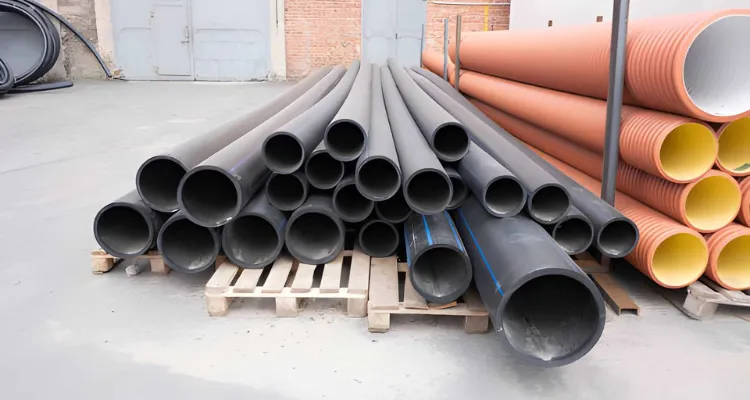
Orangeburg is an older pipe material made from wood fiber and pitch. Over time, it can deform, flatten, blister, or grow weak. Its condition needs a careful look before hydro jetting is considered. Not every Orangeburg line automatically needs replacement, but skipping an inspection on this material adds unnecessary risk.
Fragile Clay Pipe
Clay pipe can stay in working condition for decades, but it may also crack, shift, or separate at its joints as the ground around it settles. Checking the pipe’s condition and joint alignment gives a clearer picture before cleaning begins.
Poorly Repaired or Misaligned Pipes
A section that was patched with a makeshift repair, or a joint that sits slightly offset, can add risk during cleaning. This doesn’t mean every past repair was done wrong. It means these areas deserve a closer look before high-pressure water passes through them.
Is Hydro Jetting Safe for PVC and ABS Pipes?
PVC and ABS pipes in good condition can often be cleaned safely by a trained operator. Safety still depends on several factors working together: the pipe’s condition, its size, how accessible it is, the pressure and flow selected, the nozzle used, how well the pipe was installed, and the condition of its joints.
Plastic pipe isn’t immune to damage. A cracked, unsupported, or poorly joined section of PVC or ABS still needs caution, even though the material itself tends to hold up well when it’s sound.
Is Hydro Jetting Safe for Cast-Iron Pipes?
Cast iron is a strong pipe material, but older cast-iron lines can develop problems over time. These include internal corrosion, scale buildup, rust, thinning walls, cracks, rough interior surfaces, and weakened joints.
Because of this, a camera inspection or another condition assessment may be worth doing before aggressive cleaning on an older cast-iron line. This doesn’t mean cast iron is automatically too old for hydro jetting. It means the specific condition of that line should guide the decision.
Can Hydro Jetting Damage Pipe Joints?
Joints can be a weak point even when the rest of the pipe looks fine. A joint becomes more vulnerable when it’s loose, separated, offset, cracked, poorly connected, deteriorated, or already intruded by roots.
A pipe body can appear structurally sound while one of its joints is quietly failing. This is part of why a full assessment matters, not just a quick look at the visible pipe. Hydro jetting doesn’t always separate a joint, but a joint that’s already compromised faces more risk than one that’s intact.
How Pressure and Water Flow Affect Pipe Safety
Two measurements describe how a hydro jetting machine performs: PSI and GPM.
PSI stands for pounds per square inch. It describes the force behind the water as it leaves the nozzle. GPM stands for gallons per minute. It describes how much water moves through the system over time.
These two numbers work together, but they serve different roles. PSI relates to how forcefully the water strikes buildup inside the pipe. GPM relates to how well that loosened material gets flushed out of the line. A higher pressure number doesn’t automatically mean better or safer cleaning.
The right settings depend on several things at once: the pipe’s diameter, its material, its condition, the type of blockage being cleared, the nozzle design, the access point being used, and how far the hose needs to travel through the line. Because these factors vary so much from one job to the next, there’s no single pressure setting that works safely for every pipe.
Why the Nozzle Matters
Hydro jetting nozzles come in different designs, and each one serves a different purpose. Common types include penetrating nozzles, flushing nozzles, rotating nozzles, root-cutting nozzles, and nozzles with forward-facing or rear-facing jets.
Choosing the wrong nozzle for the situation can create problems. It may strike a weak section of pipe directly, get stuck partway through the line, fail to clear the blockage at all, push forcefully against a collapsed section, or direct too much force toward a fragile area. Matching the nozzle to the pipe and the blockage is part of what makes the process safe.
Should a Sewer Camera Inspection Happen First?
A camera inspection before hydro jetting can be useful in several situations. These include repeated backups, older piping, suspected root intrusion, known structural damage, a history of collapse, an unknown pipe material, a recently purchased property, a line that’s been repaired before, signs of soil movement around the pipe, or trouble locating the blockage.
A camera has limits, though. It can’t always see clearly through standing water, heavy grease, thick buildup, or a complete blockage. In some of these cases, a limited round of cleaning may need to happen first, just to clear enough of the line for a full camera view. Because of this, a camera inspection isn’t something every hydro jetting job requires, but it becomes more valuable as the pipe’s history or condition grows more uncertain.
Can Hydro Jetting Make an Existing Crack Worse?
It can, depending on several factors: the size of the crack, the pipe material, how thick the pipe wall is, the pressure used, the nozzle selected, the direction the jets are aimed, whether the pipe has already shifted, and the condition of nearby joints.
A crack is a structural problem. Cleaning the inside of the pipe doesn’t repair it. If a crack is already present, jetting can widen it or push water through it in ways that make the underlying issue more obvious, or worse.
Can Hydro Jetting Cause a Pipe to Collapse?
A structurally sound pipe shouldn’t collapse simply because it goes through a professional cleaning. The water itself isn’t strong enough to bring down a pipe that’s in good shape.
A pipe that’s already severely weakened, deformed, unsupported, or partly collapsed is a different story. That kind of pipe may fail further during cleaning, or shortly afterward, even with careful equipment use. In these cases, the underlying condition of the pipe, not the jetting itself, is usually the root cause of the failure. That said, incorrect pressure, the wrong nozzle, or careless operation can still cause harm on their own, even to a pipe that started out in reasonable shape.
Can Hydro Jetting Remove Tree Roots Safely?
Suitable jetting equipment can cut and flush smaller root growth out of some lines. This makes hydro jetting a useful tool against certain root problems.
A few things are worth understanding, though. Roots typically enter a pipe through an existing crack or a joint that has already failed. Removing the roots clears the immediate blockage, but it doesn’t repair the opening that let them in. Heavy, dense root masses may need specialized cutting equipment beyond standard jetting. A fragile pipe may not tolerate aggressive root removal well. And because the entry point often remains, roots can return until that opening is repaired.
When Should Hydro Jetting Be Avoided?
Hydro jetting may need to be postponed or skipped entirely when the pipe is already collapsed, severely corroded, or has notably thin walls. The same caution applies when Orangeburg pipe is badly deformed, clay pipe is badly cracked, or joints have separated widely.
Other situations that call for caution include a line where a camera can’t pass and structural failure is suspected, no safe access point available, pipe sizing that doesn’t match the equipment, a blockage caused by a solid structural obstruction rather than buildup, or an operator who can’t control the pressure and nozzle movement with precision. In these cases, pipe repair or replacement often needs to happen before cleaning can safely resume.
What Alternatives May Be Safer?
Depending on the pipe’s condition, other options may fit better than hydro jetting.
Drain Snaking
A cable machine, often called a snake, can push or pull through many clogs to open a pathway for water to flow again. It generally doesn’t clean the full interior of the pipe wall the way jetting can.
Mechanical Root Cutting
Specialized cutting equipment can address root intrusion in lines where jetting alone isn’t the right fit.
Descaling
Controlled mechanical descaling can remove corrosion or heavy mineral buildup from some pipe materials without relying on high water pressure.
Limited Low-Pressure Jetting
In some cases, a professional can adjust the equipment to use lower pressure or a gentler nozzle, depending on what the pipe’s condition allows.
Pipe Repair or Replacement
A pipe with real structural damage needs repair, lining, sectional replacement, or full replacement. Repeated cleaning won’t fix a crack, a collapse, or a failed joint. Trenchless repair may be an option in some situations, though it isn’t suitable for every pipe or every type of damage.
What Happens During a Professional Hydro Jetting Service?
A careful hydro jetting process generally follows steps like these:
- Review the drain problem and any known service history.
- Identify the pipe material when possible.
- Locate a suitable access point for the equipment.
- Inspect the pipe when the situation calls for it.
- Select the hose and nozzle suited to the job.
- Choose pressure and flow settings that match the pipe.
- Clean the line in controlled passes rather than one continuous blast.
- Monitor how the hose moves and how water returns from the line.
- Flush the debris that gets loosened during cleaning.
- Inspect the line afterward when it’s appropriate to do so.
- Explain any structural damage that turns up along the way.
Not every company follows this process in exactly the same order, but these steps reflect a careful, professional approach to the work.
Signs the Pipe May Need Repair Instead of Jetting
A few warning signs point toward a structural problem rather than a simple clog: repeated clogs in the same spot, sewage odors in the yard, wet or sunken soil, a camera view showing cracks, a bellied section of pipe, separated joints, severe corrosion, deformed Orangeburg pipe, a partial collapse, missing sections of pipe, roots entering through a broken joint, or backups that return again soon after cleaning.
A bellied pipe is a section that has sunk lower than the rest of the line and holds standing water instead of draining it fully. Cleaning can restore water flow for a while, but it doesn’t fix a structural issue like this. When these signs show up, the pipe usually needs an inspection and, likely, a repair plan.
Questions to Ask Before Approving Hydro Jetting
Before you agree to the service, it can help to ask:
- Will you inspect the pipe first?
- What pipe material do I have?
- Is the pipe structurally sound?
- What type of blockage is present?
- Which nozzle will be used?
- How will pressure be controlled?
- Is the equipment suitable for this pipe size?
- What happens if damage is found?
- Is a post-cleaning camera inspection included?
- Could another cleaning method be safer for my situation?
- Does the estimate include inspection and cleanup?
- Is structural repair handled separately from drain cleaning?
Can Homeowners Rent and Use a Hydro Jetter?
Hydro jetting equipment uses high-pressure water capable of causing serious injury, property damage, or pipe damage when it’s used incorrectly. Trained professional operation is strongly recommended over self-use.
Risks connected to this equipment include high-pressure injection injuries to skin, sudden hose whip, flying debris, exposure to sewage, electrical hazards near water, damage to fixtures, a nozzle that gets stuck partway through a line, flooding, and damage to the pipe itself from mishandling.
Frequently Asked Questions
Can hydro jetting break PVC pipes?
Sound PVC pipe can often be cleaned safely with properly controlled equipment. Cracked, unsupported, poorly joined, or already damaged PVC carries more risk and may need a closer look before cleaning goes forward.
Is hydro jetting safe for old pipes?
Age by itself doesn’t decide whether jetting is safe. Material, corrosion, existing cracks, joint condition, and wall thickness all play a bigger role in how an older pipe holds up during cleaning.
Can hydro jetting damage cast-iron pipes?
Cast iron in sound condition may tolerate jetting well. Sections with heavy corrosion or thin, weakened walls need extra caution and often benefit from an inspection before cleaning proceeds.
Can hydro jetting damage Orangeburg pipe?
Deteriorated Orangeburg pipe can be fragile and prone to further damage under pressure. This material should be assessed carefully, ideally with a camera, before aggressive cleaning is attempted.
Can hydro jetting collapse a sewer line?
A structurally sound pipe shouldn’t collapse from proper cleaning. A line that’s already severely weakened or partly collapsed may fail further during or shortly after the process.
Should pipes be camera-inspected before hydro jetting?
Inspection is especially useful for older, damaged, unknown, or repeatedly blocked lines. It isn’t strictly necessary for every job, but it becomes more valuable as uncertainty about the pipe grows.
Does hydro jetting remove tree roots?
It can cut and flush some root growth out of a line, but it doesn’t repair the crack or failed joint that let the roots in. Roots can return until that opening is fixed.
Is hydro jetting better than snaking?
The two serve different purposes. Snaking can open a path through a clog, while hydro jetting can clean broader buildup along the pipe wall in a line that’s suited to it.
How often should hydro jetting be done?
There’s no universal schedule that fits every property. How often it’s needed depends on pipe condition, usage patterns, grease buildup, root activity, recurring clogs, and commercial demand.
What happens if the plumber finds pipe damage?
A careful plumber should pause or adjust the cleaning approach, show you what was found when possible, and walk through repair options before any additional work moves forward.
Conclusion
Hydro jetting can damage pipes that are already weak, cracked, corroded, or partially collapsed. Properly selected equipment, matched to the pipe’s material and condition, keeps that risk low for sound plumbing. An inspection often plays a key role in that decision, since pipe condition matters more than age on its own. Structural damage always calls for repair, not repeated cleaning.
If you are unsure whether your drain line can be hydro jetted safely, El Paso Plumbing can inspect the pipe and explain the cleaning or repair options. Call (915) 285-0087 or request service online.