A toilet that isn’t flushing properly is usually caused by a low tank water level, a flapper that closes too soon or won’t open fully, clogged rim or siphon jets, or a blocked vent pipe. Each interferes with the water flow and siphon action needed to fully clear the bowl.
A toilet that isn’t clogged but still doesn’t flush well is a different problem than a blockage, and it usually points to something happening inside the tank or bowl rather than something stuck in the drain. Understanding how a flush actually works makes it much easier to spot which specific part of the system is falling short and why.
This article walks through how a normal flush is supposed to work, the most common reasons it doesn’t, how to identify which one applies to your toilet, and which fixes are reasonable to try yourself before calling in a professional.
How a Normal Flush Is Supposed to Work
Understanding the mechanics behind a flush helps explain why so many different issues can interfere with it.
The Tank’s Role
When you press the handle, the flapper lifts, releasing water stored in the tank down into the bowl below. This sudden rush of water is what creates the pressure needed to start the flush.
The Bowl’s Role
Water enters the bowl through the rim jets, small holes around the underside of the bowl’s rim, creating a swirling motion, while the siphon jet at the bottom pushes a strong burst of water directly into the trapway. Together, these create a siphoning effect that pulls waste and water out of the bowl and into the drain, completing the flush cycle.
Why the Siphon Effect Matters
A toilet doesn’t just push waste out with water pressure alone. The siphon effect, created by the specific combination of water volume, timing, and jet flow, is what actually pulls the bowl’s contents through the trap and into the drain line. When any part of this process is disrupted, the siphon action weakens, and the flush becomes incomplete even without an actual clog.
Why This Matters for Diagnosis
Because a full flush depends on several components working together in a specific sequence, a weak flush can often have more than one contributing factor at once. Ruling out each part of the process systematically, rather than assuming a single cause, tends to lead to a more accurate diagnosis and a fix that actually holds up over time.
Low Water Level in the Tank
Insufficient water in the tank is one of the most common reasons behind a weak flush.
Why It Causes a Weak Flush
If the water level in the tank sits too low, typically more than an inch below the top of the overflow tube, there isn’t enough water released during a flush to build the pressure and siphon action needed to fully clear the bowl each time it’s used.
What Causes Low Tank Water
A misadjusted float, a fill valve that’s aging or malfunctioning, or a float set too low can all result in the tank filling to a lower level than intended, even though the water supply itself is working normally and delivering adequate pressure.
How to Check
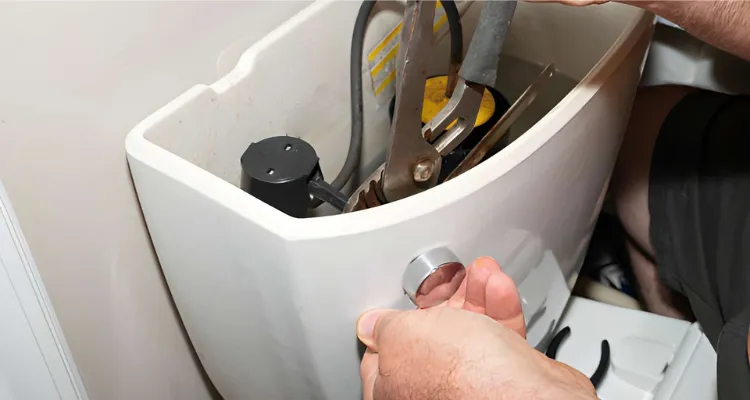
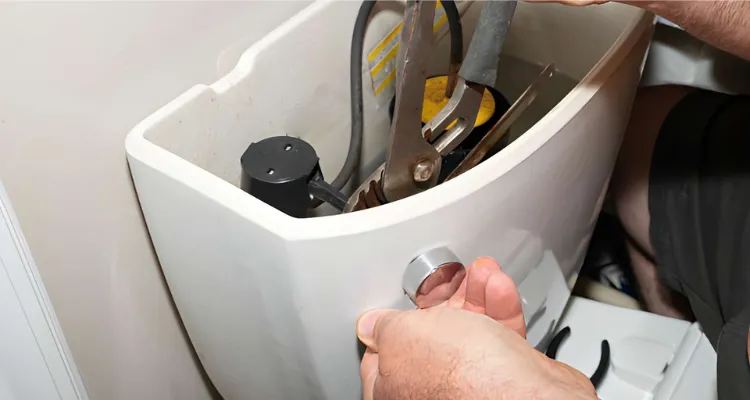
Removing the tank lid and observing where the water sits relative to the marked fill line or the top of the overflow tube reveals whether this is the issue. Most manufacturers recommend the water level sit about an inch below the top of the overflow tube.
Adjusting the Float or Fill Valve
Most fill valves include an adjustment screw or a clip that lets you raise or lower the target water level, while some designs let you adjust the height of the float arm directly. Small adjustments, tested with a flush after each change, are usually enough to bring the water level back into the recommended range.
A Flapper That Closes Too Soon or Won’t Open Fully
The flapper controls how much water actually makes it from the tank into the bowl during each flush.
Closing Too Soon
If the flapper drops back down and reseals before enough water has flowed into the bowl, the flush gets cut short before it can build the pressure needed for a full siphon. This is often caused by a flapper chain that’s too tight, giving the flapper little room to stay open for the full flush cycle.
Not Opening Fully
If the chain has too much slack, the flapper may not lift completely away from the flush valve opening, restricting how much water can flow through even while it’s open. Both too much and too little slack in the chain cause different flush problems, so a small adjustment in either direction can meaningfully change flush performance.
Wear and Warping
Older or lower-quality flappers can become stiff, warped, or develop a poor seal over time, which affects both flush strength and the flapper’s ability to hold water in the tank between flushes.
When Replacement Makes More Sense Than Adjustment
If a flapper is visibly worn, discolored, or no longer sits flat against the flush valve seat, adjusting the chain won’t fix the underlying wear. Flappers are inexpensive and straightforward to replace, and doing so is often more reliable than trying to compensate for a degraded flapper through chain adjustments alone.
Clogged Rim Jets
The small holes under the toilet bowl’s rim play a specific role in creating the swirling motion that supports a full flush.
How Rim Jets Get Clogged
Mineral deposits from hard water, along with general debris, can build up inside these jets over time, gradually restricting the water flow they’re designed to release into the bowl.
What This Looks Like
A flush that becomes progressively slower or weaker over time, rather than changing suddenly, often points to gradual rim jet clogging. In more advanced cases, water may flow straight down into the bowl rather than swirling around it as intended.
Why Cleaning Rim Jets Can Be Tricky
The jets sit at an angle under the rim, which can make full visibility difficult even with a flashlight. Using a mirror alongside the flashlight, or gently feeling along the underside of the rim with a gloved hand, can help confirm whether buildup is present in jets you can’t fully see from a standing position.
A Clogged Siphon Jet
The siphon jet provides the main burst of force behind a flush and is a common point of failure when other components check out fine.
What the Siphon Jet Does
Located at the bottom of the bowl, the siphon jet directs a strong burst of water into the trapway, which is largely responsible for initiating the pressure drop that creates the actual siphoning action.
How It Gets Blocked
Similar to rim jets, the siphon jet is vulnerable to mineral buildup from hard water, along with occasional debris. When restricted, the toilet may still refill and appear normal, but the flush lacks the burst of force needed to fully clear waste through the trap.
Why This Jet Matters More Than It Might Seem
Because the siphon jet is largely responsible for triggering the pressure drop that starts siphoning, even a partially restricted jet can noticeably weaken flush performance despite the rest of the system working correctly. This is why a toilet with a clean tank, a properly working flapper, and clear rim jets can still flush weakly if this one specific jet gets overlooked during troubleshooting.
A Blocked Vent Pipe
Not every flushing issue originates in the tank or bowl. Your home’s venting system plays a supporting role too.
Why Venting Affects Flush Strength
Vent pipes allow air into the plumbing system, balancing pressure so wastewater and the siphon effect can work properly. A blocked vent can weaken siphoning, sometimes producing a slow, gurgling, or bubbling flush even when the tank and jets are functioning normally.
Signs Pointing to a Vent Issue
Gurgling sounds from the toilet or nearby drains, bubbling in other fixtures during a flush, and slow drainage affecting more than just the toilet all suggest a venting problem rather than an issue isolated to the toilet itself.
Why Vent Issues Are Easy to Misdiagnose
Because a blocked vent produces symptoms that overlap with both weak-flush causes and drain clogs, like slow drainage and gurgling, it’s often mistaken for one of those other issues at first. If you’ve already ruled out low tank water, a faulty flapper, and clogged jets without improvement, a vent problem becomes a more likely explanation.
Partial Clogs in the Trapway or Drain
While this article focuses on non-clog causes, a partial obstruction can produce symptoms that look identical to a mechanical issue.
Why This Overlaps With Other Causes
A partially blocked trapway or drain line can weaken a flush in a similar way to a clogged jet or low water level, since reduced flow through a narrowed passage limits the siphon action the same way insufficient water pressure does.
How to Tell the Difference
If other fixtures in the house are also draining slowly, or if a plunger temporarily improves the flush before the problem returns, a partial clog is more likely the cause than a mechanical tank or jet issue.
When Recurring Weak Flushes Point to the Sewer Line
If troubleshooting the toilet’s internal components doesn’t resolve a persistent weak flush, and other drains show similar symptoms, the issue may extend beyond the toilet itself into the branch drain or main sewer line. Why Does My Toilet Keep Clogging covers this overlap in more detail, including when a broader drain or sewer issue is the more likely explanation.
Causes at a Glance
| Cause | Key Sign | Typical Fix |
|---|---|---|
| Low tank water level | Water sits below the fill line in the tank | Adjust float or replace fill valve |
| Flapper closes too soon | Flush cuts off early, weak swirl | Loosen chain slack slightly |
| Flapper doesn’t open fully | Reduced water flow despite full tank | Adjust or lengthen chain |
| Clogged rim jets | Gradually weakening flush over time | Clean jets with brush and vinegar |
| Clogged siphon jet | Normal refill but weak burst of force | Clean jet opening with wire and vinegar |
| Blocked vent pipe | Gurgling, bubbling, slow drains elsewhere | Requires professional clearing |
| Partial trap or drain clog | Other fixtures also slow, plunger helps temporarily | Plunger, auger, or professional drain cleaning |
What You Can Reasonably Check Yourself
A few of these causes are within reach for a homeowner comfortable with basic tools and a little patience.
Adjusting the Water Level
If the tank water sits noticeably below the fill line, adjusting the float, or the water level screw on the fill valve, can often restore normal flush strength without needing to replace any parts.
Adjusting the Flapper Chain
Most flappers work best with about half an inch to one inch of slack in the chain. Too much slack prevents full opening, while too little causes premature closing, so a small adjustment in either direction, tested with a flush after each change, can resolve the issue.
Cleaning Rim and Siphon Jets
Using a small brush or a bent wire hanger to clear visible mineral deposits from the rim jets, combined with a vinegar soak poured into the overflow tube, can restore flow through both the rim and siphon jets in many cases. Porcelain can chip easily, so gentle handling matters during this process.
Testing After Each Adjustment
After any single adjustment, whether it’s the water level, the chain, or a jet cleaning, flush the toilet a few times to see whether the change actually improved performance before moving on to the next possible cause. Making one change at a time makes it much easier to identify which fix actually solved the problem, rather than adjusting several things at once and losing track of what worked.
When to Call a Professional
A few situations point toward calling a plumber rather than continuing to troubleshoot on your own. If you suspect a blocked vent pipe, clearing it typically requires roof access and specialized tools that go beyond a standard household repair. If other drains in the house are also affected, the underlying issue may be further down the line than the toilet itself and needs professional diagnosis. If you’ve adjusted the float, chain, and cleaned the jets without improvement, a failing fill valve or a less obvious issue may require a plumber’s assessment.
A plumber can also confirm whether what looks like a mechanical flush issue is actually a partial clog, since the two can produce very similar symptoms and calling the wrong fix means the problem keeps coming back. Hydro Jetting vs Snaking explains the professional clearing methods used once a drain-related cause is confirmed.
Frequently Asked Questions
Why does my toilet flush weakly even though it’s not clogged?
A weak flush without an actual clog is usually caused by a low tank water level, a flapper that closes too early or doesn’t open fully, or mineral buildup restricting the rim or siphon jets. Each of these reduces the water volume or force needed to create a full siphon effect.
How do I know if my toilet’s flapper needs adjusting or replacing?
If the flapper looks worn, warped, or no longer creates a snug seal, replacement is usually the better fix. If the flapper looks fine but the flush is still weak or the toilet runs intermittently, adjusting the chain slack is often enough to resolve the issue.
Can hard water really weaken my toilet’s flush?
Yes. Mineral deposits from hard water commonly build up inside the rim jets and siphon jet, gradually restricting water flow and reducing flush strength over time. Cleaning these jets with a brush and a vinegar soak often restores much of the original flush performance.
What’s the difference between a weak flush and a clogged toilet?
A clog is a physical blockage in the trap or drain line that a plunger or auger can typically address. A weak flush without a clog usually stems from insufficient water or force reaching the bowl, caused by the tank, flapper, or jets rather than an obstruction.
Why does my toilet gurgle when I flush?
Gurgling during a flush often points to a venting issue, where a blocked vent pipe disrupts the airflow needed for proper siphoning. This can happen alongside a weak or slow flush and sometimes affects other nearby fixtures as well.
Is a weak toilet flush something I can fix myself?
Many causes, including low tank water, flapper chain adjustment, and clogged jets, are reasonable for a homeowner to address with basic tools. Vent pipe blockages and less obvious fill valve failures are generally better suited to a professional, particularly if basic troubleshooting hasn’t resolved the issue after a couple of attempts.
Getting Your Toilet’s Flush Fixed
If your toilet isn’t flushing properly and basic troubleshooting hasn’t resolved it, El Paso Plumbing can identify the exact cause and get your toilet working reliably again. Call (915) 285-0087 or request service online to schedule an inspection.