Toilet repair typically costs $150 to $400 for most residential jobs, with simple fixes like a flapper or fill valve running $60 to $150 and more involved repairs like a wax ring or flange reaching $150 to $400 or more. The exact cost depends on which part failed and labor required.
Toilet problems range from a quick five-minute fix to a repair that involves lifting the entire toilet off the floor. Knowing which category your issue falls into helps you understand a quote before a plumber arrives, and avoid paying for more than the job actually requires.
This guide breaks down typical costs by the specific problem, what affects pricing beyond the part itself, and when repair makes more sense than replacing the toilet entirely.
Typical Toilet Repair Cost by Problem
The table below outlines national average price ranges for the most common toilet repairs, including both parts and labor.
| Problem | Typical Cost Range | What’s Involved |
|---|---|---|
| Running toilet | $100 – $400 | Flapper, fill valve, or float adjustment |
| Flapper replacement | $50 – $120 | Simple swap, minimal labor |
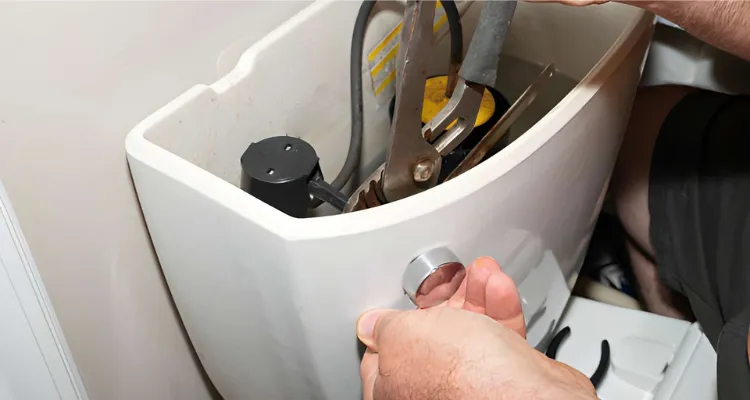
| Fill valve replacement | $60 – $200 | Removes and replaces the tank’s fill mechanism |
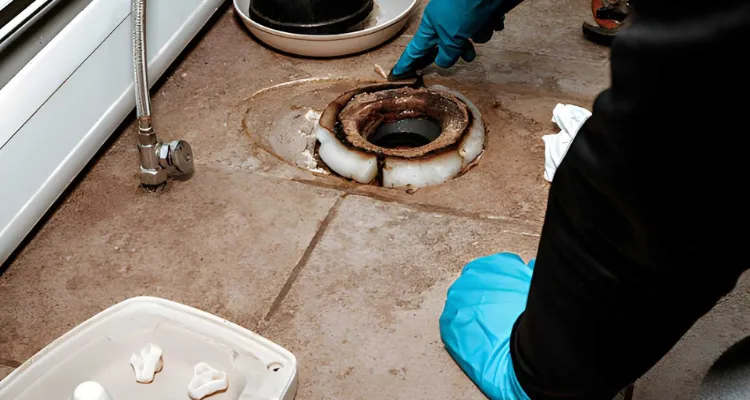
| Wax ring replacement | $150 – $300 | Toilet must be lifted and reset |
| Flange repair or replacement | $145 – $350 | More labor-intensive, may involve subfloor access |
| Clogged toilet | $85 – $600 | Ranges from a simple snake to sewer line work |
| Loose or wobbling toilet | $150 – $400 | Often involves wax ring or flange repair |
| Toilet reseat (new wax ring, bolts) | $200 – $230 | After removal for another repair or new install |
| Full tank rebuild (flapper, valve, handle) | $250 – $300 | Bundled parts replacement |
Low-Cost Repairs Under $200
Several common toilet issues fall on the less expensive end of the spectrum, since they typically involve simple parts and minimal labor time.
Flapper Replacement
A worn or warped flapper is one of the most common and least expensive toilet repairs, since it’s a simple swap that doesn’t require removing the toilet. This repair often addresses a running toilet or a weak flush without any additional labor involved.
Fill Valve Replacement
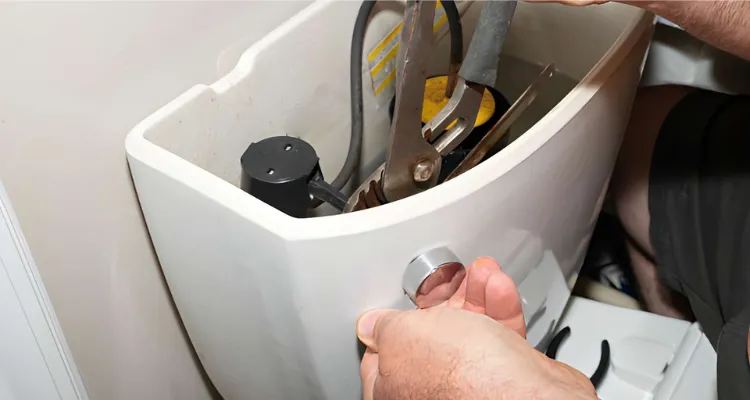
Replacing a fill valve is similarly straightforward, involving shutting off the water supply, removing the old valve, and installing a new one. This repair commonly resolves slow-filling tanks, running toilets, or unusual noises coming from the tank.
Chain or Handle Adjustment
A loose or tangled flapper chain, or a handle that’s disconnected from the flush mechanism, is often a quick adjustment rather than a full parts replacement, keeping this repair toward the lower end of the cost range.
Mid-Range Repairs: $150 to $400
Repairs in this range generally require removing the toilet from the floor, which adds labor time regardless of how simple the part itself is.
Wax Ring Replacement
Because the toilet must be lifted off the flange to access and replace the wax ring, labor makes up the bulk of this repair’s cost even though the wax ring itself is inexpensive. Toilet Leaking From the Bottom covers the signs that point to a failed wax ring specifically.
Flange Repair or Replacement
A damaged or corroded flange typically costs more than a wax ring alone, since the flange sits below the wax ring and often requires additional time to access, especially if it’s set in concrete or the toilet has been in place for many years.
A Loose or Wobbling Toilet
If tightening the mounting bolts doesn’t resolve a wobble, the underlying cause is usually a compressed wax ring or a cracked flange, both of which fall into this mid-range cost category once diagnosed.
Higher-Cost Repairs: $400 and Above
The most expensive toilet repairs typically involve structural components or issues that extend beyond the toilet itself.
Clogged Toilet Requiring Drain or Sewer Work
While a simple clog is inexpensive to clear with a plunger or auger, a clog caused by a partial blockage further down the line, or a sewer line issue, can push costs significantly higher due to the specialized equipment and diagnostic time involved. Why Does My Toilet Keep Clogging covers the range of causes behind recurring clogs.
Extensive Flange or Subfloor Damage
If a flange replacement reveals rot or damage to the subfloor beneath it, often from a long-undetected base leak, repairing that additional damage adds meaningfully to the total project cost beyond the flange itself.
Cracked Bowl or Tank
A cracked toilet bowl generally can’t be repaired reliably and typically requires full toilet replacement rather than a component-level fix, which shifts the cost from a repair range into a full replacement range.
What Affects Toilet Repair Cost
A handful of factors explain why two seemingly similar repairs can come with different price tags.
Which Part Failed
Internal tank components like a flapper or fill valve are inexpensive and quick to replace. Structural components like a flange or a cracked bowl involve more labor and material cost, which is why the type of failure has the single biggest impact on price.
Labor Time
Many toilet repairs are billed as flat-rate services rather than strictly hourly, but the underlying labor time still drives the price. A repair that requires removing and resetting the toilet takes meaningfully longer than one that doesn’t.
Toilet Design
Wall-hung toilets, which have plumbing components hidden behind the wall rather than in a standard floor-mounted tank, typically cost more to repair since accessing those components requires more specialized work.
Access and Installation Age
A flange set in a concrete slab, or an older toilet with corroded bolts and hardware, generally takes longer to service than a newer installation with standard, accessible components.
Emergency or After-Hours Service
Emergency toilet repairs, such as an active leak, an overflow, or a completely unusable toilet outside normal business hours, typically come with a premium of roughly 30 to 50 percent above standard daytime rates.
Permits and Additional Damage
Some flange or subfloor repairs may require a permit depending on your local code, and any water damage discovered during the repair, like affected flooring or framing, adds its own separate cost beyond the toilet repair itself.
DIY vs. Professional Repair
Some toilet repairs are reasonable for a homeowner to attempt, while others carry enough risk of water damage or improper sealing that professional help is the safer choice.
Repairs Reasonable to DIY
Replacing a flapper, adjusting a chain, or swapping a toilet seat are generally straightforward tasks that don’t require specialized tools or extensive plumbing knowledge. Toilet not flushing properly walks through several of these fixes in more detail.
Repairs Better Left to a Professional
Wax ring replacement, flange repair, and anything involving removing and resetting the toilet carry a higher risk of an improper seal if not done correctly, which can lead to a leak that causes floor or subfloor damage. Drain line and sewer-related clogs also require equipment most homeowners don’t have access to.
Repair vs. Replacement
At a certain point, replacing the toilet entirely becomes more cost-effective than continuing to repair an aging fixture.
When Repair Makes Sense
If the toilet is relatively new, the issue is isolated to a single component, and the toilet bowl and tank are otherwise in good condition, repair is typically the more economical choice.
When Replacement Makes More Sense
A cracked bowl or tank, a toilet requiring frequent repeated repairs, or an older, inefficient model prone to clogging due to weak flushing pressure often makes more financial sense to replace outright rather than continuing to invest in individual repairs. A full toilet replacement, including labor, commonly falls in a similar or only somewhat higher range than a major single repair like extensive flange work.
Why Waiting Increases the Cost
A minor toilet issue addressed promptly is almost always less expensive than the same issue left unresolved.
Water Waste From a Running Toilet
A running toilet can waste a significant amount of water continuously, which shows up as a steadily rising water bill even before any structural damage occurs. Addressing a running toilet promptly limits this ongoing cost on top of the repair itself.
Damage From an Undetected Leak
A leaking wax ring or damaged flange that goes unaddressed can allow water to seep into the subfloor, leading to rot or damage that costs significantly more to repair than the original toilet issue.
When to Call a Professional
While minor repairs like a flapper swap are reasonable to handle yourself, any issue involving removing the toilet, a persistent leak, a recurring clog, or a wobbling toilet that tightening doesn’t resolve calls for professional attention. A plumber can also confirm whether a specific repair is worthwhile or whether the toilet’s age and condition make replacement the more sensible option.
Getting an itemized quote before work begins, including what’s covered by the service call fee and what’s billed separately for parts, helps you understand exactly what you’re paying for and compare quotes accurately if you’re getting more than one estimate.
Frequently Asked Questions
How much does it cost to fix a running toilet?
Fixing a running toilet typically costs $100 to $400, depending on whether the cause is a worn flapper, a faulty fill valve, or a float that needs adjustment. A simple flapper replacement alone often falls toward the lower end of that range.
Is it cheaper to repair or replace a toilet?
It depends on the issue. Repairing an isolated component, like a flapper or fill valve, is almost always cheaper than replacement. A cracked bowl, frequent repeated repairs, or an old, inefficient toilet often make full replacement the more cost-effective choice over time.
How much does it cost to replace a wax ring?
Wax ring replacement typically costs $150 to $300, including parts and labor. Most of this cost comes from labor, since the toilet needs to be lifted off the floor and reset even though the wax ring itself is inexpensive.
Why do flange repairs cost more than other toilet repairs?
Flange repairs generally cost more because the flange sits below the wax ring, requiring the toilet to be removed and additional time to access and replace, especially if the flange is corroded, cracked, or set in concrete. Subfloor damage discovered during the repair can add further cost.
Does homeowners insurance cover toilet repair costs?
It depends on the cause and your specific policy. Some policies cover sudden, accidental water damage related to a toilet leak but generally exclude repairs related to normal wear and tear or pre-existing conditions. Review your policy or contact your insurer directly to confirm.
Why did two plumbers quote me different prices for the same repair?
Pricing differences often come down to whether a company uses flat-rate versus hourly billing, their licensing and overhead structure, and regional labor rates. Getting an itemized quote helps you compare what’s actually included rather than just comparing the final number.
Getting an Accurate Toilet Repair Quote
If you’re dealing with a toilet issue and want a clear, itemized quote before any work begins, El Paso Plumbing can diagnose the problem and explain your repair options. Call (915) 285-0087 or request service online to schedule an inspection.