Start by checking your water meter with all fixtures turned off. If it keeps moving, water is escaping somewhere in the system. Then look for warning signs like higher water bills, damp spots, musty smells, or reduced pressure, and check common sources like toilets, faucets, and water heaters.
A hidden water leak rarely announces itself. It builds quietly behind a wall, under a floor, or beneath the yard, often for weeks before anyone notices. By the time a stain shows up on the ceiling or the water bill jumps for no clear reason, the leak has usually been running for a while.
The good news is that finding a leak doesn’t always require tearing into walls or calling a plumber right away. A few simple checks can point you toward the source, or at least confirm whether a leak exists at all. This article walks through the water meter test, common warning signs, room-by-room checks, and when it’s time to bring in a professional with the right tools to finish the job. Catching a leak early can also make a real difference in the final repair cost, since water damage tends to spread the longer a leak goes undetected.
Start With the Water Meter Test
The water meter test is the most reliable way to confirm whether a leak exists anywhere in your plumbing system. It works because the meter tracks every drop of water passing through it, whether you’re using it on purpose or losing it to a leak.
- Turn off every fixture and appliance that uses water. This includes faucets, the dishwasher, the washing machine, ice makers, and any irrigation system.
- Locate your water meter and note the current reading. Most meters are found near the street, in a basement, or in a utility closet, depending on the home.
- Wait at least two hours without using any water. Longer waits, such as overnight, work even better for catching a slow leak.
- Check the meter again. If the reading has changed at all, water is escaping somewhere in the system between the meter and your fixtures.
If the meter moves quickly during the test, you likely have a fast-running leak, such as a running toilet or a burst supply line. If it only changes after a longer wait, the leak is probably smaller and slower, which can still add up to hundreds of gallons wasted over time.
Common Signs You May Have a Hidden Leak
Several warning signs tend to show up before a hidden leak becomes obvious, and catching them early can prevent serious water damage. Paying attention to small changes around the house can save you from a much bigger repair later.
A Higher Than Normal Water Bill
A sudden jump in your water bill, without a clear reason like extra guests or a new garden, often points to a leak somewhere in the system. Comparing a few months of past bills can help you spot when the increase started.
The Sound of Running Water When Everything Is Off
If you hear a faint hissing, dripping, or running sound in the walls or floors when no fixtures are in use, that’s a strong sign water is moving somewhere it shouldn’t be. This is easiest to notice in a quiet house, such as late at night.
Damp Spots, Stains, or Peeling Paint
Water stains on ceilings, walls, or floors, along with peeling paint or warped wood, usually mean water has been sitting somewhere for a while. These signs often appear directly below or near the source of the leak, though water can also travel along framing before showing up somewhere else entirely.
Musty Smell or Mold Growth
A persistent musty odor, especially in a bathroom, basement, or under a sink, often means moisture has been present long enough to support mold or mildew growth, even if you can’t see it directly.
Reduced Water Pressure
A drop in water pressure at one or more fixtures can mean water is escaping through a leak before it reaches the tap, especially if the change happened suddenly rather than gradually over time.
Check Common Leak Sources Room by Room
Once you suspect a leak, checking the most common sources first can often save time before moving to more advanced methods.
Toilets
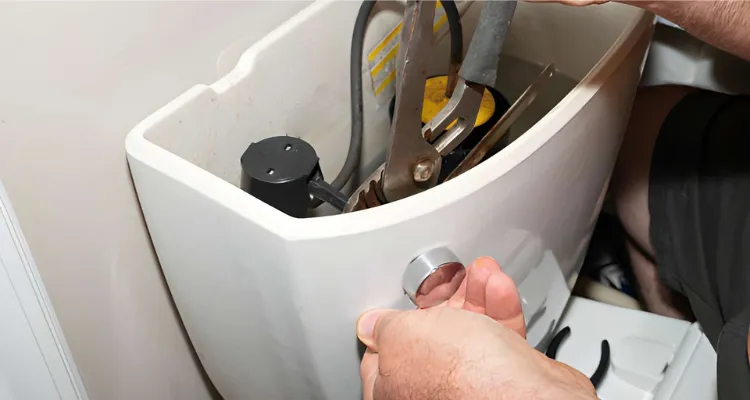
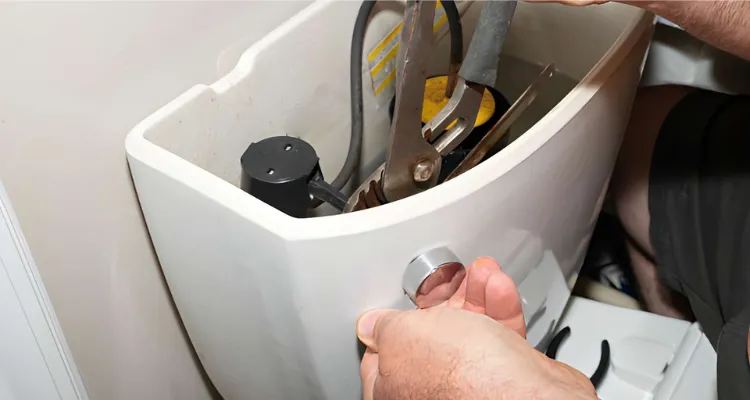
Toilets are one of the most common sources of hidden water loss. A worn flapper or fill valve can let water leak from the tank into the bowl continuously, often without any visible dripping. To check, add a few drops of food coloring to the tank and wait about 15 minutes without flushing. If color appears in the bowl, the tank is leaking into it. A running toilet can waste a significant amount of water in a single day, so this is often one of the first places worth checking if your meter test showed a fast-moving leak.
Under Sinks and Around Faucets
Check under every sink for dampness, water stains, or a musty smell, and look closely at the pipe connections and shutoff valves. Worn O-rings or washers inside a faucet can also cause slow leaks at the base or spout that aren’t always obvious at a glance. Running a dry paper towel along the pipes and connections under a sink can help reveal a slow drip that isn’t visible to the eye alone.
Water Heater
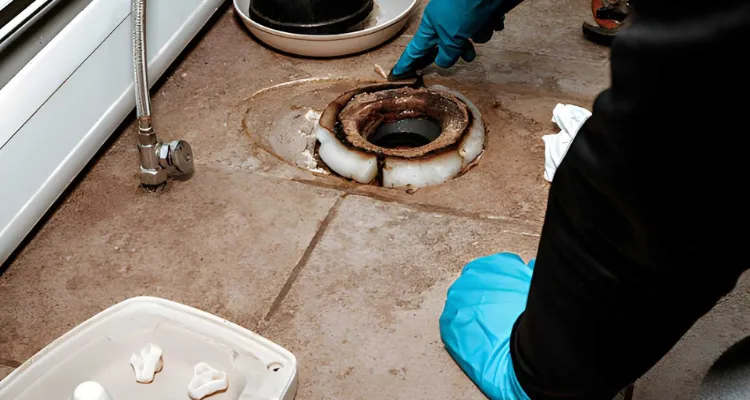
Inspect the area around your water heater for puddles, rust, or damp spots on the floor. A leaking water heater can lose a surprising amount of water over time, and in some cases, the tank itself may need replacement rather than a simple water heater repair. A leak near the top of the tank often points to a loose fitting or valve, while moisture pooling at the base can mean the tank itself has developed a corrosion hole.
Washing Machine and Appliance Connections
Check the hoses and connections behind your washing machine, dishwasher, and refrigerator ice maker. These flexible hoses can wear out or loosen over time, and a slow drip behind an appliance is easy to miss until it causes visible damage to flooring nearby.
Check Outdoor Areas for Leaks
Leaks aren’t limited to the inside of the house. Outdoor plumbing and irrigation systems can lose significant water without an obvious sign indoors.
Irrigation Systems
A leaking irrigation line can waste a large amount of water without changing anything visible above ground, especially if the leak is small and buried. Check for soggy patches, unusually green grass in one area, or pooling water near sprinkler heads and buried lines. Running the irrigation system manually and walking the yard while it operates can help you spot a leak that only shows up while the system is active.
Outdoor Spigots and Hose Connections
Attach a hose to each outdoor spigot and turn the water on. If water seeps out around the connection point, the rubber gasket may need replacing, or the spigot itself may have a worn valve. Winter freezing can also crack an outdoor spigot internally, so this is worth checking each spring, especially in colder climates.
Wet or Green Patches in the Yard
A patch of grass that stays wetter or greener than the surrounding lawn, even during dry weather, often points to a leak in a water or sewer line running underneath it.
When DIY Methods Aren’t Enough
If the meter test confirms a leak but you can’t find the source using visible checks, the leak is likely hidden behind a wall, under a slab, or underground, which usually calls for professional detection equipment. Continuing to search blindly can waste time while the leak keeps causing damage.
This is especially true for leaks under concrete slabs or between walls, where cutting into the wrong spot can cause unnecessary damage without finding the actual leak. Professional tools are built specifically to pinpoint the source without guesswork. Waiting too long to bring in a professional at this stage often means the eventual repair costs more, since the damage has had extra time to spread into flooring, drywall, or framing.
How Professionals Detect Hidden Leaks
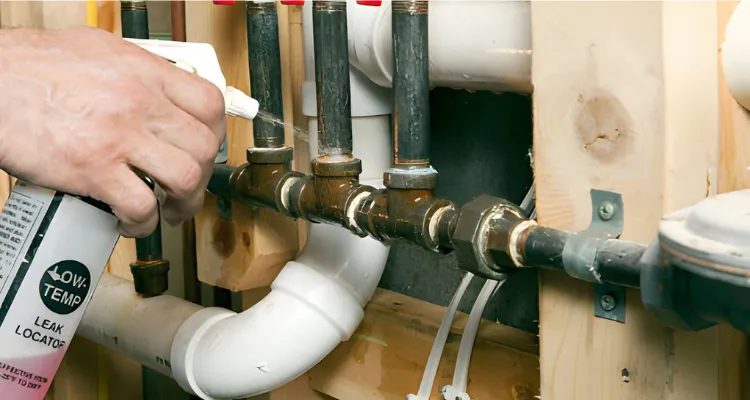
Licensed plumbers use specialized equipment to locate hidden leaks precisely, often without needing to open walls or dig up large areas of yard. These methods go well beyond what a homeowner can do with a flashlight and a hunch.
Acoustic Leak Detection
Acoustic equipment uses sensitive microphones to pick up the specific sound water makes as it escapes from a pressurized pipe. Technicians can follow the intensity of the sound to narrow down the exact leak location, even through walls, floors, or several feet of soil. Smaller leaks tend to produce a higher-pitched sound, while larger breaks create a lower, more constant noise, which helps trained technicians estimate the severity before any digging or cutting begins.
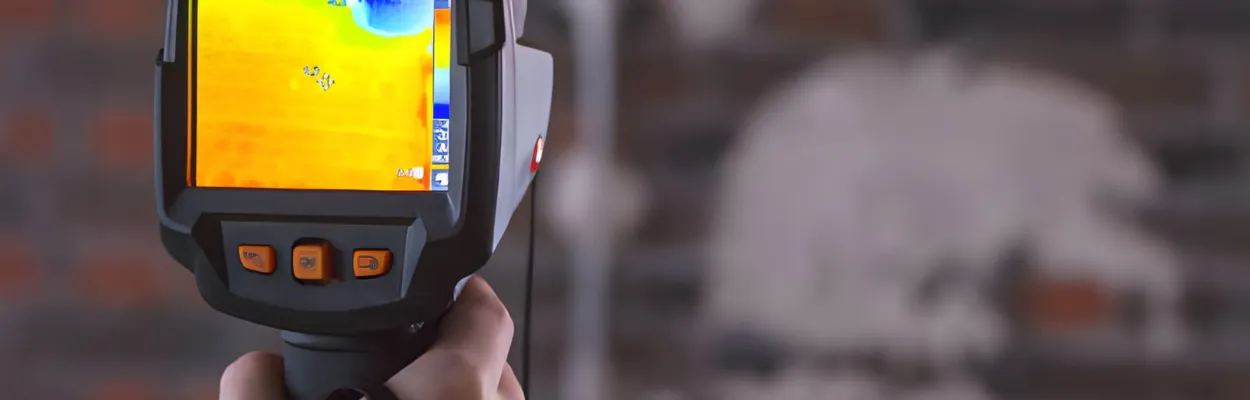
Thermal Imaging
Thermal cameras detect subtle temperature differences caused by water moving where it shouldn’t be, which can reveal a leak’s location behind a wall or under a floor without any cutting or digging.
Pressure Testing
Pressure testing involves isolating sections of the plumbing system and monitoring for pressure drops. A section that loses pressure faster than expected points to a leak within that specific segment, helping narrow the search before any repair work begins.
How to Reduce the Risk of Future Leaks
A few ongoing habits can lower the chances of dealing with a hidden leak again, even though no home is completely immune to plumbing wear. Prevention is almost always less costly than repairing water damage after the fact.
- Check your water meter periodically, even without a specific concern, to catch a slow leak before it grows into a bigger problem.
- Replace worn toilet flappers and fill valves as soon as you notice a toilet running longer than normal after a flush.
- Inspect washing machine and dishwasher hoses every year or two, since rubber hoses degrade over time and are a common source of slow leaks.
- Know where your main water shutoff valve is located so you can act quickly if a leak turns into a larger problem.
- Consider a leak detection device for high-risk areas like under sinks, behind washing machines, or near the water heater, especially in a home you don’t check often.
- Schedule a periodic plumbing inspection, particularly in homes over 25 years old, since aging pipes and fixtures are more likely to develop leaks over time.
What to Do Once You Find a Leak
- Shut off the water supply to the affected area if you can do so safely. This may mean closing a fixture’s shutoff valve or the home’s main water valve if the source isn’t clear.
- Document the damage with photos. This can help with any insurance claim and gives a plumber a clear starting point.
- Avoid using electrical outlets or appliances near standing water. Water and electricity together create a serious safety risk.
- Call a licensed plumber for repair, especially for leaks inside walls, under slabs, or involving the water heater. These repairs often require specialized tools and, in some cases, permits.
Safety Guidance
Stay away from any standing water near electrical outlets, appliances, or wiring. If a leak has caused water to pool near an electrical panel or outlet, avoid the area and contact a professional rather than approaching it yourself. Do not attempt to cut into walls, ceilings, or slabs to search for a leak without knowing what’s behind them, since electrical and gas lines can run through the same spaces. Leaks involving the main water line or gas appliances should be handled by a licensed professional.
When to Call a Licensed Plumber
If the water meter test confirms a leak but you can’t locate the source, or if you’re seeing water damage without a clear cause, it’s time to bring in a professional. [BUSINESS NAME] can use acoustic and thermal detection equipment to pinpoint the exact location of a hidden leak and explain your repair options. Call [PHONE NUMBER] or request service online at [BOOKING URL].
Frequently Asked Questions
How can I tell if I have a leak without a plumber?
The water meter test is the most reliable DIY method. Turn off all water use, note the meter reading, wait at least two hours, and check again. If the reading changed, water is escaping somewhere in your plumbing system, even if you can’t see it yet.
Can a small leak really cause serious damage?
Yes. A slow, hidden leak can go unnoticed for weeks or months while it soaks into flooring, drywall, or framing, leading to mold growth and structural damage over time. Small leaks often cost less to fix early than after they’ve caused wider damage.
Why does my toilet make my water bill go up if it’s not visibly leaking?
A worn flapper or fill valve can let water quietly leak from the tank into the bowl and down the drain continuously, without ever overflowing or making an obvious sound. This is one of the most common causes of an unexplained water bill increase, and it’s easy to test using the food coloring method.
Is it normal for water pressure to drop suddenly?
A sudden drop in water pressure is not typical and can point to a leak diverting water before it reaches your fixtures, a buildup issue in the pipes, or a problem with the municipal supply. If the drop is sudden and affects multiple fixtures, it’s worth investigating rather than assuming it will resolve on its own.
How do professionals find a leak inside a wall without cutting it open?
Plumbers often use acoustic leak detection, which listens for the specific sound of escaping water through walls and floors, or thermal imaging, which detects temperature differences caused by moisture. Both methods can narrow down a leak’s location before any cutting begins, reducing unnecessary damage to the wall or floor.
Does homeowners insurance cover water leak damage?
This depends on the cause. Sudden, accidental leaks are often covered, while gradual leaks caused by long-term wear may be excluded, since insurers typically treat slow leaks as a maintenance issue. Checking with your insurance provider about the specific circumstances is the best way to know for sure.
How long can a hidden leak go unnoticed?
A slow leak behind a wall or under a slab can sometimes go unnoticed for months, especially if it’s not large enough to cause an obvious stain or odor right away. This is one of the main reasons periodic water meter checks are worth doing even without a specific concern, since they can catch a leak long before visible damage appears.
Next Steps
Catching a water leak early can save you from a much bigger repair down the road. If your water meter test suggests a leak but you can’t find the source, [BUSINESS NAME] can track it down with the right equipment and get it fixed. Call [PHONE NUMBER] or request service online at [BOOKING URL].