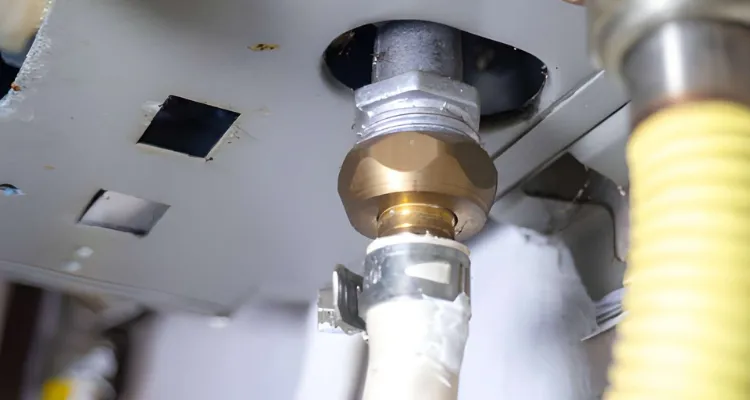
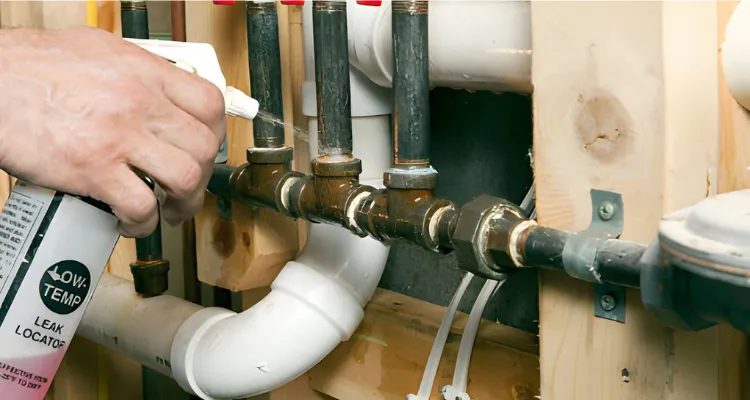
The most common signs of a gas leak are a rotten egg or sulfur smell, a hissing or whistling sound, dead or discolored vegetation outdoors, bubbling in standing water, and physical symptoms like headaches or dizziness. Any one of these signs should be treated as a possible leak.
A gas leak rarely shows up as a single obvious clue. More often, it’s a combination of small signals, a smell that seems slightly off, a hissing sound you can’t quite place, or a headache that clears up as soon as you step outside. Knowing the full range of signs helps you recognize a leak faster, whether it’s happening indoors, outdoors, or somewhere you can’t see.
This article covers every major category of gas leak sign, what causes each one, and how they differ between indoor and outdoor leaks. It also explains why some of the most dangerous leaks come with no smell at all, and what to do the moment you notice any of these warning signs.
Why Recognizing These Signs Matters
Natural gas and propane are flammable, and a leak that goes unnoticed can build up in an enclosed space until it reaches a dangerous concentration. Recognizing the signs early, before that happens, is the single biggest factor in staying safe.
Not Every Sign Looks the Same
Some signs are immediate and obvious, like a strong smell or a loud hiss. Others build slowly, like a string of unexplained headaches or a gas bill that’s crept up over several months. Paying attention to smaller, easy-to-dismiss signs matters just as much as reacting to an obvious one.
Indoor and Outdoor Leaks Behave Differently
An indoor leak, like a loose appliance connection, tends to produce signs concentrated in one room or near one fixture. An outdoor or underground leak spreads its signs across a wider area, showing up in vegetation, soil, or standing water rather than a single point. Knowing which pattern you’re seeing can help you describe the situation more clearly when you call for help.
The Smell of Gas
Smell is the most recognized sign of a gas leak, though it’s only one part of the full picture.
Rotten Eggs or Sulfur
Natural gas and propane are naturally odorless, so suppliers add a chemical called mercaptan that creates a distinct rotten egg or sulfur smell specifically so leaks can be noticed. What does a gas leak smell like covers this in more detail, including how the smell differs between natural gas and propane and why it isn’t always reliable on its own.
Why Smell Alone Isn’t Enough
The human nose can become desensitized to a smell after continuous exposure, and not everyone perceives mercaptan’s odor the same way. This is one reason the other signs on this list matter just as much as smell.
Sounds That Signal a Gas Leak
A gas leak often makes a sound before it’s ever visible or strong enough to smell clearly.
Hissing or Whistling
A hissing or whistling sound near a gas line, meter, valve, or appliance connection usually means gas is escaping under pressure. This sound is sometimes faint, so it’s more noticeable in a quiet room or a quiet moment outdoors than with background noise.
Where to Listen
Common places this sound shows up include behind a stove or dryer, near the gas meter, along an exposed section of pipe, or near an outdoor propane tank connection. A sound that seems to come from one specific spot is worth reporting exactly where you heard it when you contact a professional.
Sounds That Aren’t a Gas Leak
Not every hiss or whistle in a home relates to gas. Steam escaping a radiator, a running toilet, or wind moving through a gap in a window can sometimes produce a similar sound. If the sound is paired with any other sign on this list, treat it as a likely gas leak rather than assuming it’s something else.
Visual Signs Indoors
A few visual clues can point to a leak even before you notice a smell or sound.
An Unusual Flame Color
A healthy gas burner flame is typically blue. A flame that burns yellow or orange instead can indicate incomplete combustion, which is sometimes related to a gas supply issue, though it can also stem from a dirty burner. This sign is worth mentioning to a technician even if it doesn’t confirm a leak on its own.
A Pilot Light That Won’t Stay Lit
A standing pilot light that repeatedly goes out or burns unevenly can sometimes be related to a gas supply problem. This is more common in older appliances with a standing pilot rather than newer electronic ignition systems.
Condensation or Fogging Near a Gas Line
Some leaks can create a small amount of visible condensation or fogging near a fitting or connection, particularly in a cooler space like a basement or utility closet. This sign is less common and easy to miss, but worth checking for if other signs are also present.
Visual Signs Outdoors
Underground gas lines and outdoor propane systems can show signs above ground even though the leak itself isn’t visible.
Dead or Discolored Vegetation
Gas escaping from an underground line can affect nearby soil and root systems, sometimes causing patches of dead or yellowing grass and plants with no other clear cause. This sign tends to follow the general path of the buried line.
Bubbling in Standing Water
If a gas line runs near or under a puddle, ditch, or other standing water, escaping gas can create visible bubbling at the surface, even without any rain or other clear source of movement in the water.
Dust or Dirt Blowing From the Ground
In some cases, escaping gas under pressure can cause dirt or dust to blow up from the ground in a way that looks unusual, sometimes described as a small, continuous puff or disturbance in the soil.
Visible Pipeline Damage
Construction work, tree root movement, or ground settling can sometimes expose or damage a section of buried pipe, an outdoor propane line, or its fittings. Any visible damage to gas equipment or exposed piping should be reported rather than inspected closely.
Frost or Ice Forming on an Aboveground Line
An unusual patch of frost or ice forming on an aboveground propane line or tank, even in mild weather, can occasionally indicate gas escaping and rapidly expanding at that point. This sign is less common than the others but worth noting if you see it near propane equipment.
Signs Summary Table
The table below organizes the most common signs by category for quick reference.
| Category | Sign | Where It Typically Shows Up |
|---|---|---|
| Smell | Rotten egg or sulfur odor | Near appliances, meters, or gas lines |
| Sound | Hissing or whistling | Near connections, meters, or exposed pipe |
| Indoor visual | Yellow or orange flame | Stovetop or oven burners |
| Indoor visual | Pilot light won’t stay lit | Water heaters, older furnaces |
| Outdoor visual | Dead or discolored vegetation | Along underground line paths |
| Outdoor visual | Bubbling standing water | Near buried lines, ditches, puddles |
| Outdoor visual | Unusual dirt or dust disturbance | Directly over a buried line |
| Utility related | Unusually high gas bill | Reflected on your monthly statement |
| Physical | Headache, dizziness, nausea, fatigue | Symptoms that ease after leaving the area |
| Detector | Gas or carbon monoxide detector alarm | Anywhere a detector is installed |
Physical Symptoms of Gas Exposure
Beyond what you can see, hear, or smell, your body can also signal a possible gas leak.
Headaches and Dizziness
Headaches, lightheadedness, or dizziness that appear at home and improve once you leave can be associated with gas or carbon monoxide exposure. This is especially worth noting if more than one household member experiences similar symptoms around the same time.
Nausea and Fatigue
Nausea, unusual fatigue, or a general feeling of being unwell that clears up away from the home follows a similar pattern and deserves the same attention. Symptoms affecting pets can also be an early clue, since animals are sometimes affected before people notice anything themselves.
When Symptoms Need Medical Attention
Any of these symptoms should be reported to a medical professional, in addition to having your gas system inspected. Don’t assume symptoms will resolve on their own once you’re away from the property without seeking medical guidance if they persist or worsen.
Symptoms in Vulnerable Household Members
Children, older adults, and pets can sometimes be more sensitive to gas exposure or show symptoms sooner than other household members. If someone in one of these groups seems unwell without another clear explanation, treat it as an added reason to take the situation seriously.
Carbon Monoxide: The Sign With No Smell
Carbon monoxide is worth understanding separately, since it behaves differently than a typical gas leak.
Why Carbon Monoxide Doesn’t Fit the Usual Pattern
Carbon monoxide is produced when fuel-burning appliances don’t burn fuel completely, and unlike natural gas or propane, it has no smell, color, or taste at all. None of the smell or sound-based signs above will alert you to a carbon monoxide problem.
The Only Reliable Warning
A working carbon monoxide detector is the only reliable way to catch this hazard, since there’s no sensory sign to rely on otherwise. Every home with a fuel-burning appliance benefits from a detector on each level, particularly near sleeping areas.
Rising Gas Bills as an Early Sign
A less immediate but still important sign is a change in your monthly gas usage.
What to Look For
An unexplained increase in your gas bill, without a corresponding change in household habits or weather patterns, can point to gas escaping somewhere in your system rather than being used by an appliance. This sign builds over time rather than appearing suddenly.
Why It’s Easy to Overlook
Because a bill increase develops gradually and doesn’t come with an obvious moment of discovery, it’s one of the more commonly missed signs. Reviewing your gas usage periodically, especially if you notice other minor signs, can help catch a slow leak sooner.
Comparing Bills Across Similar Periods
Comparing your current bill to the same month or season last year, rather than just the previous month, can help account for normal seasonal changes in gas use. A jump that doesn’t line up with weather or household changes is more meaningful than a small month-to-month fluctuation.
Indoor Signs vs. Outdoor Signs
Understanding where a sign is showing up can help you describe the situation more clearly to a professional.
Indoor Signs Typically Point To
Appliance connections, interior gas lines, or fittings behind a stove, water heater, dryer, or furnace. Signs here often include smell near a specific appliance, an unusual flame color, or a hissing sound close to a connection.
Outdoor Signs Typically Point To
Underground supply lines, meter connections, or an outdoor propane tank and its fittings. Signs here often include vegetation changes, bubbling water, or ground disturbance along the line’s general path.
Why This Distinction Helps
Sharing where you noticed a sign, indoors near a specific appliance or outdoors along a certain path, helps a technician or utility responder start their inspection in the right place once they arrive.
When Signs Cross Both Categories
Sometimes a leak produces signs in both places at once, like a faint smell indoors combined with dead grass near where the supply line enters the house. This pattern often points to a leak at or near the point where the line crosses from outside to inside, which is useful information to pass along when you report it.
What to Do When You Notice Any of These Signs
The response is the same regardless of which sign prompted it.
Leave the area immediately, taking household members and pets with you. Don’t investigate further, don’t use light switches, phones, or other electrical devices on your way out, and don’t try to locate the exact source yourself. Once you’re a safe distance away, call your gas utility’s emergency line or 911, and don’t return to the property until a professional confirms it’s safe.
Why Multiple Signs Together Matter More
A single, faint sign might not confirm a leak on its own, but noticing more than one at the same time raises the likelihood significantly.
Combining Signs for a Clearer Picture
A faint smell paired with a headache, or a hissing sound paired with dead grass in the yard, points more clearly to an actual leak than any single sign alone. If you notice more than one sign together, treat the situation with the same urgency as a strong, obvious leak.
Reporting What You Noticed
When you contact your gas utility or a technician, mentioning every sign you noticed, including timing, location, and any symptoms, helps them respond more effectively once it’s safe to begin an inspection.
Keeping a Simple Record
If you’ve noticed smaller, easy-to-dismiss signs over time, like a slightly elevated bill or an occasional faint smell, jotting down when you noticed them can help a technician understand the pattern rather than relying on a single moment. This is especially useful for slower, less obvious leaks that built up gradually rather than appearing all at once.
Prevention and Ongoing Awareness
A few standing habits help you catch signs earlier, before they escalate.
Install both gas and carbon monoxide detectors, since they cover different hazards and neither one substitutes for the other. Schedule routine maintenance for gas appliances, particularly older units or those with a standing pilot light, so a technician can catch small issues before they become leaks. Make sure every household member, including children old enough to understand, knows what the signs mean and what to do if they notice one.
When to Call a Professional
Any of the signs covered here calls for a professional response, whether that’s your gas utility’s emergency line, 911, or a licensed plumber for a non-emergency inspection. Don’t wait to see whether a sign resolves on its own, and don’t try to confirm the source yourself beyond noting what you observed.
Frequently Asked Questions
What is the most common sign of a gas leak?
A rotten egg or sulfur smell is the most commonly recognized sign, since it’s specifically added to natural gas and propane so leaks are noticeable. That said, hissing sounds, dead vegetation outdoors, and physical symptoms like headaches are equally valid signs worth watching for.
Can you have a gas leak with no smell at all?
Yes. Carbon monoxide has no smell, and factors like reduced individual smell sensitivity or a fading odorant additive can occasionally mean a leak isn’t obvious by smell alone. This is why sounds, visual signs, and symptoms all matter alongside smell.
What does a gas leak sound like?
A gas leak often produces a hissing or whistling sound near a pipe, meter, or appliance connection, caused by gas escaping under pressure. This sound is sometimes faint and easier to notice in a quiet room or outdoor area.
Can pets show signs of a gas leak before people do?
Yes, animals can sometimes show symptoms like unusual lethargy, disorientation, or illness before household members notice anything themselves. If a pet seems unwell without explanation, it’s worth considering as one more data point alongside any other signs you’ve noticed.
How do I know if dead grass in my yard is from a gas leak or something else?
Dead grass has many possible causes, including pests, disease, or drought, so it isn’t a confirmed leak on its own. Combined with a hissing sound, a gas smell, or bubbling in nearby standing water, however, it becomes a stronger indicator worth reporting.
Should I use a lighter or match to check for a gas leak?
No. Never use an open flame to search for a gas leak, since it can ignite gas that’s present in the air. If you suspect a leak, leave the area and contact your gas utility or emergency services instead.
Is a slightly higher gas bill always a sign of a leak?
Not always. A higher bill can also reflect colder weather, increased appliance use, or a rate change from your utility. A bill increase without an obvious explanation is worth paying attention to, especially alongside any other sign from this list.
Getting Your Gas System Checked
If you’ve noticed one or more of these signs and the situation isn’t an active emergency, El Paso Plumbing can inspect your gas lines and appliances and explain what’s found. Call (915) 285-0087 or request service online to schedule an inspection. If you’re noticing signs of an active leak right now, leave the property and contact your gas utility or emergency services first.