How to Tell If a Pipe Is Leaking Underground
Common signs of an underground pipe leak include soggy or unusually green patches in the yard, a sudden rise in your water bill, low water pressure, and warm spots on interior flooring. Since the pipe is buried, most underground leaks show up as indirect clues rather than visible water.
An underground leak doesn’t announce itself the way a dripping faucet does. The pipe is buried under soil, grass, or concrete, so the first clue is usually something that seems unrelated to plumbing at all, like a patch of grass that won’t dry out or a water bill that’s higher than usual.
This article walks through the specific signs that point to a buried pipe leak, what typically causes them, how to confirm your suspicion using your own water meter, and when the situation calls for a licensed plumber instead of a guess-and-check approach in the yard.
Why Underground Leaks Are Hard to Notice
A leak inside your home usually shows up fast. Water pools on the floor, a cabinet gets damp, or you hear dripping. An underground leak works differently because soil absorbs the water before it ever reaches the surface.
By the time a sign appears above ground, water has often been escaping for days, weeks, or longer. That’s part of why underground leaks tend to waste more water and cause more surprise on a water bill than leaks you can see and fix right away.
Why Depth and Soil Type Matter
How quickly a sign shows up on the surface depends partly on how deep the pipe is buried and what kind of soil surrounds it. Sandy, loose soil tends to let water travel and surface faster, while dense clay soil can hold water underground longer before any visible sign appears. A leak in a shallow line near the surface will usually show symptoms sooner than one running several feet deep.
The Pipe Materials Involved
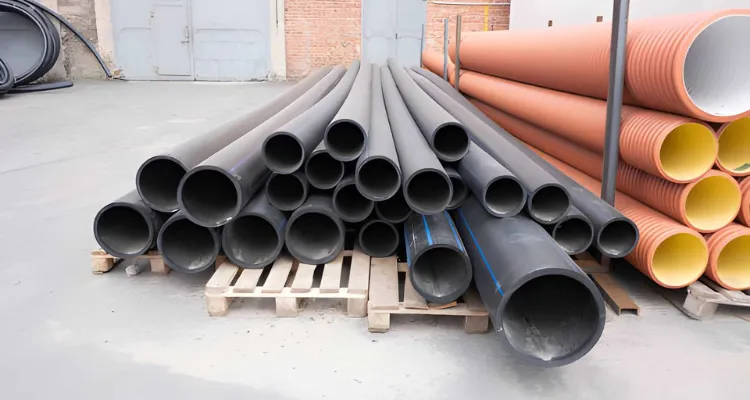
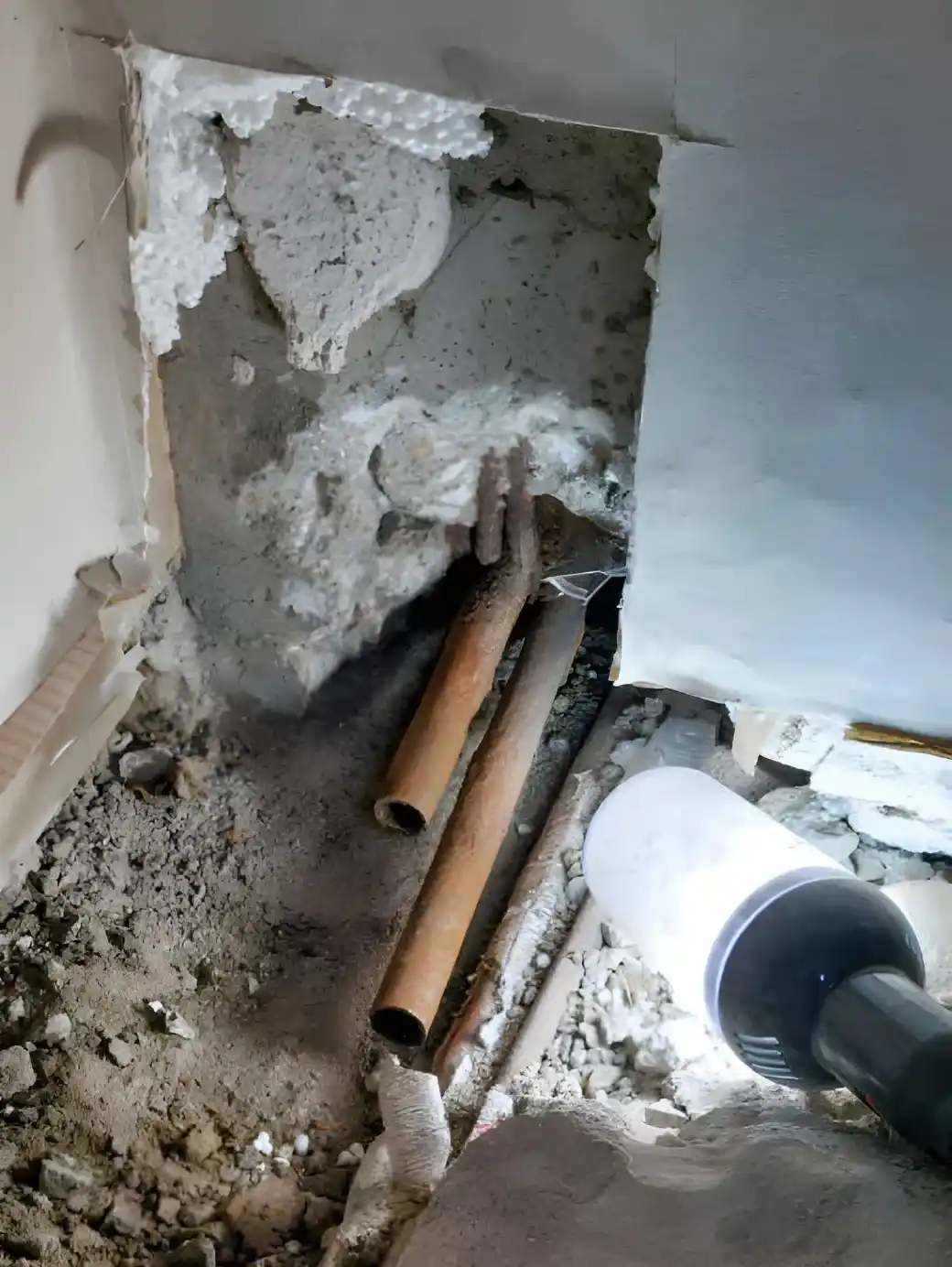
Underground water lines are typically made of copper, galvanized steel, or PVC, depending on the age of the home and local plumbing codes. Galvanized steel corrodes from the inside over time, which can create pinhole leaks long before a section fails completely. Copper can develop small leaks at joints, while PVC more often fails at a crack or a fitting.
Signs in Your Yard
Your lawn is usually the first place an underground leak becomes visible, even before it affects anything inside the house.
Wet or Soggy Patches With No Rain
A section of yard that stays damp or spongy underfoot, even during a dry stretch, is one of the clearest outdoor signs. Water escaping from a buried pipe saturates the surrounding soil and has to go somewhere, and often that’s straight up through the grass.
Unusually Green or Fast-Growing Grass
A patch of grass that’s noticeably greener or growing faster than the rest of the lawn can mean it’s getting extra water from underneath. This sign is easy to miss because it looks like good news at first, especially in a yard that struggles in other spots.
Pooling Water or Puddles
Standing water in an area with no sprinkler, hose, or recent rainfall pointing to it is a strong indicator. This is especially true if the puddle keeps returning after you clear it or the ground around it never fully dries.
Sunken or Eroded Ground
Soil erosion from a sustained leak can create small depressions, sinkholes, or areas where the ground feels unusually soft or uneven. This sign matters because it can also suggest the leak has been active for a while and may be affecting a larger area than it looks.
Cracks in Pavement or Foundation
Water escaping under a driveway, walkway, or slab can shift the soil supporting it, leading to new cracks or settling that wasn’t there before. This is more common with larger or longer-running leaks, and it’s a sign that’s easy to mistake for normal settling if you’re not looking for it.
Signs Inside Your Home
An underground leak that’s close to the house or connected to the main supply line can create symptoms indoors as well.
A Sudden Jump in Your Water Bill
An unexplained increase in your water bill, especially without a change in household habits, is one of the most reliable underground leak signs. Even a small, steady leak can waste a meaningful amount of water over a full billing cycle without ever being visible.
Low Water Pressure
A leak between the water meter and your home reduces the pressure available to your fixtures, since some of the water never makes it inside. If pressure has dropped across multiple faucets rather than just one, the cause is more likely a supply-line issue than a single worn fixture.
Warm Spots on the Floor
If a hot water line runs underground or under a slab and starts leaking, it can transfer heat through the floor above it. A section of tile or flooring that feels warm without an obvious reason, especially away from any heating vents, is worth investigating.
Discolored or Cloudy Water
Brown, reddish, or cloudy water from your taps can mean sediment or corrosion is entering your water supply from a damaged underground line. This sign often shows up alongside other symptoms rather than on its own.
Musty Smells or Mold
A musty odor or unexplained mold near a slab, baseboard, or lower wall can point to sustained moisture coming from below rather than from a visible source. This sign is easy to dismiss as general humidity until it keeps coming back in the same spot.
The Sound of Running Water
Hearing water running or trickling somewhere in the walls or floor when every fixture in the house is off is a direct sign that water is moving through your plumbing without your control. This sound is easier to notice in a quiet room, like late at night, than during a busy part of the day.
Risks of Ignoring an Underground Leak
Underground leaks rarely stay small if they’re left alone. Understanding what’s at stake can help you decide how quickly to act once you notice a sign.
Structural and Foundation Concerns
Water that saturates soil near a foundation over a long period can affect the stability of that soil, which in turn can contribute to settling or cracking in a foundation or slab. This kind of damage tends to develop slowly, which is part of why it’s often missed until it’s already underway.
Mold and Indoor Air Quality
Ongoing moisture from a nearby leak creates conditions where mold can grow, particularly in areas that stay damp without much airflow, like behind baseboards or inside wall cavities. Mold growth can affect indoor air quality and may be a concern for household members with allergies or respiratory sensitivities.
Wasted Water and Rising Bills
A continuous underground leak runs whether or not anyone in the house is using water, which means the waste adds up around the clock rather than only during active use. This is one of the main reasons a small leak can still produce a noticeably higher water bill.
Signs Summary Table
| Sign | Where It Appears | What It Usually Means |
|---|---|---|
| Soggy or spongy soil | Yard | Water is saturating the ground near a buried pipe |
| Greener, faster grass | Yard | A leak is feeding extra water to that patch |
| Puddles with no clear cause | Yard, driveway | Water is surfacing from below |
| Sunken or eroded ground | Yard, walkways | Soil has been washed out or destabilized |
| New pavement or slab cracks | Driveway, foundation | Shifting soil from sustained water loss |
| Higher water bill | Utility statement | Continuous water loss, even from a small leak |
| Low water pressure | Multiple fixtures indoors | Water escaping before it reaches your home |
| Warm floor spots | Interior flooring | A hot water line leaking underground or under a slab |
| Discolored water | Faucets | Corrosion or sediment entering the supply line |
| Musty smell or mold | Walls, baseboards | Ongoing moisture from a nearby leak |
How to Confirm a Suspected Leak Yourself
Before calling a plumber, a simple water meter check can help confirm whether a leak is actually present.
The Water Meter Test
Turn off every water-using fixture and appliance in your home, including ice makers and irrigation timers. Locate your water meter and note the reading, then wait 30 minutes to an hour without using any water. If the reading has changed, water is moving through your system somewhere, which points to a leak.
What the Test Can’t Tell You
A positive water meter test confirms that a leak exists, but it doesn’t tell you exactly where it is. Underground pipes can run in directions that aren’t obvious from the surface, and digging based on a guess can cause unnecessary damage or, worse, hit another buried utility line.
What Causes Underground Pipe Leaks
Several factors contribute to buried pipes failing over time, and knowing the common causes can help explain why a leak developed in the first place.
Pipe Age and Corrosion
Older galvanized steel pipes corrode from the inside, gradually thinning the pipe wall until a pinhole leak forms. This process happens slowly, which is why age-related leaks often show up as a small, persistent problem rather than a sudden break.
Shifting or Settling Soil
Soil naturally shifts with seasonal moisture changes, temperature swings, and settling, which can put stress on rigid or aging pipe joints. Areas with expansive clay soil or significant freeze-thaw cycles tend to see more of this kind of movement.
High Water Pressure
Consistently high water pressure puts ongoing stress on pipes and fittings, and over time that stress can wear down a weak point until it fails. A pressure-reducing valve can help protect plumbing in homes where incoming pressure runs high.
Tree Root Intrusion
Tree roots are drawn to moisture and can enter small cracks or weak joints in buried pipes, gradually making the damage worse. Tree root intrusion is especially worth investigating when a leak occurs near mature trees.
Physical Damage
Construction work, landscaping projects, or even a fence post installed too close to a buried line can damage a pipe without anyone realizing it right away. Damage like this may not leak immediately, showing up weeks or months after the original work was done.
Poor Original Installation
A pipe joint that wasn’t sealed correctly, or a line installed without enough support in loose soil, can develop a weak point long before the rest of the plumbing shows any wear. This type of cause is harder to spot in advance, since the pipe may function normally for years before the original flaw finally gives way.
How Professionals Confirm an Underground Leak’s Exact Location
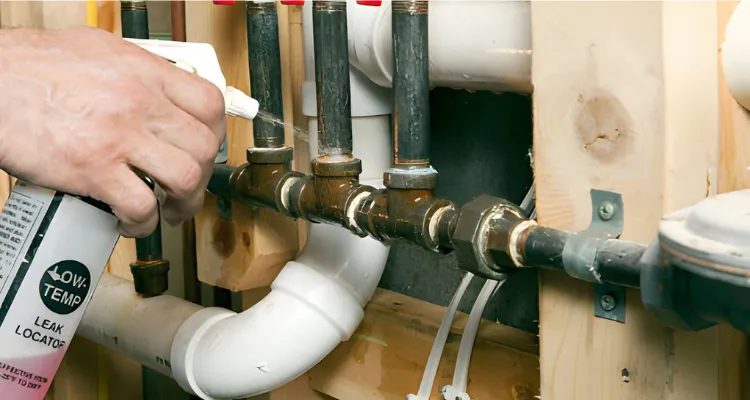
Once you suspect a leak based on the signs above, a licensed plumber uses specialized equipment to confirm the precise location before any digging starts. Common methods include acoustic listening devices, which pick up the sound of escaping water through the pipe, and tracer gas testing, where a safe gas is introduced into the line and detected at the surface where it escapes.
[LINK: UNDERGROUND LEAK LOCATION PAGE] covers these detection methods in more detail if you want a closer look at how each one works.
Typical Cost to Confirm an Underground Leak
Detection pricing depends on the method used and how deep or hard to reach the pipe is. The ranges below reflect general industry data and should be confirmed against your local market before publishing.
| Detection Method | Typical Cost Range | Notes |
|---|---|---|
| Water meter test (self-check) | Free | Confirms a leak exists, not the exact location |
| Acoustic leak detection | $150 – $400 | Common first step for underground supply lines |
| Tracer gas detection | $250 – $600 | Used when acoustic methods aren’t conclusive |
| Video pipe inspection | $250 – $700 | Best for confirming damage inside the pipe itself |
Safety Guidance Before You Investigate
A few precautions matter before you start checking your yard or home for a suspected leak.
Don’t dig in your yard based on a guess about where the pipe runs, since underground utility lines for gas, electric, and other services may be nearby. Contact your local utility locating service before any digging takes place. If you smell gas at any point, leave the property immediately and call your gas utility or emergency services from a safe location rather than investigating further yourself.
Avoid standing in pooled water near an electrical outlet, panel, or outdoor appliance. If a leak has reached an area with a nearby electrical connection, treat the area as a shock hazard until a professional has assessed it.
When to Call a Professional
Call a licensed plumber if your water meter test confirms a leak, if you notice more than one of the signs above at the same time, or if a sign like a sinkhole, warm floor, or cracked pavement appears suddenly. These situations usually need equipment and expertise beyond what a homeowner can safely handle.
A plumber can confirm the exact leak location, explain repair options, and let you know whether the damage extends beyond what’s visible from the surface. Waiting to investigate a confirmed leak generally allows more water loss and a larger repair down the line.
Frequently Asked Questions
How do I know if my underground pipe is leaking?
Look for soggy or unusually green patches in your yard, a jump in your water bill, low water pressure, or warm spots on interior flooring. A water meter test, done with all fixtures turned off, can confirm whether water is moving through your system even when nothing is in use.
Can an underground leak fix itself?
No. A leak in a buried pipe won’t seal itself and typically gets worse as corrosion, soil movement, or water pressure continues to affect the weak point. Left alone, most underground leaks lead to more water loss and a larger repair area over time.
How much water can a small underground leak waste?
Even a slow, small leak can waste a meaningful amount of water over weeks or months since it runs continuously rather than only when a fixture is in use. The exact amount depends on the size of the leak and how long it’s been active.
Is it safe to dig where I think the leak is?
Not without confirming what else runs through that area first. Contact your local utility locating service before digging, since gas, electric, and other lines may be buried nearby. A licensed plumber can also confirm the exact leak location using equipment that doesn’t require exploratory digging.
Will homeowners insurance cover an underground leak?
It depends on your policy. Many policies cover sudden, accidental damage but exclude damage from a leak that developed slowly over time. Review your specific policy or contact your insurer directly, since terms vary between providers.
What’s the difference between a slab leak and an underground yard leak?
A slab leak occurs in a pipe running beneath your home’s foundation, while an underground yard leak happens in a supply or irrigation line buried in the yard, away from the house. Both can be located using similar acoustic or tracer gas equipment, though slab leaks often require additional access planning.
Can a underground leak affect my neighbor’s property?
If a leak is large enough or has been active for a long time, saturated soil can shift beyond your own property line, particularly on smaller lots or shared boundaries. This is uncommon with small leaks caught early, which is one more reason to investigate signs before they escalate.
Does low water pressure always mean an underground leak?
Not always. Low pressure can also come from a worn fixture, a partially closed valve, or municipal supply issues. If pressure has dropped across multiple fixtures at once and your water bill has also increased, an underground leak becomes a more likely explanation.
Next Step If You Suspect an Underground Leak
If you’re seeing any of these signs, El Paso Plumbing can inspect your property, confirm whether an underground leak is present, and pinpoint its exact location before recommending a repair. Call (915) 285-0087 or request service online to schedule an inspection.