A sewer line usually collapses from a combination of aging pipe material, tree root intrusion, shifting soil, and poor original installation. Most collapses build up slowly over years before the pipe finally gives way, rather than happening without any warning at all.
A collapsed sewer line rarely comes out of nowhere. In most cases, the pipe has been weakening for years before it finally fails. By the time a homeowner notices slow drains, gurgling toilets, or a foul smell in the yard, the underlying problem has usually been building for a while.
Understanding what actually causes a collapse can help a homeowner recognize the early warning signs and decide when to call a professional before the problem turns into an emergency. This article walks through the main causes of sewer line collapse, how each one develops, and what steps to take if you suspect your line is already failing.
What Does It Mean for a Sewer Line to Collapse?
A collapsed sewer line means the pipe has crushed, separated, or caved in on itself, blocking wastewater from draining properly. This is different from a simple clog, which is a blockage inside an otherwise intact pipe. A collapse involves damage to the pipe’s actual structure.
Once a section collapses, wastewater has nowhere to go but back up through the home’s drains or out into the surrounding soil. Both outcomes can cause significant damage, which is why understanding the root cause matters as much as fixing the immediate blockage.
A partial collapse can still allow some wastewater to pass, which is why symptoms sometimes come and go before the problem becomes constant. A full collapse, on the other hand, usually cuts off drainage completely and causes backups almost immediately after any water use in the home.
Aging Pipe Material
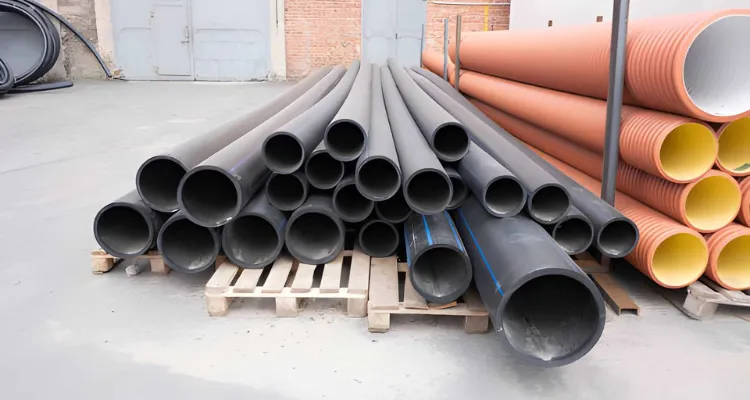
Old age is the leading cause of sewer line collapse, since every pipe material eventually loses structural strength over time. Homes built more than 50 years ago are the most likely to have a pipe nearing or past the end of its expected lifespan. Understanding how long sewer lines last can help homeowners determine whether age is becoming a significant risk factor. Modern PVC pipe resists corrosion and typically lasts 75 to 100 years or more, which is why it has become the standard choice for new installations since the 1980s. Older materials weren’t built with the same longevity in mind, and many homes still have their original sewer line decades after it was installed.
Clay Pipe Breakdown
Clay pipe was common in homes built before 1980. It resists chemical corrosion well but becomes brittle with age and has many joints between sections. Those joints are a weak point where cracking often begins, and once a crack forms, the surrounding soil can wash into the pipe or roots can work their way inside.
Cast Iron Corrosion
Cast iron pipe corrodes from the inside out as wastewater passes through it for decades. As the interior walls thin, the pipe becomes more likely to rust through, develop holes, or lose enough strength to hold its shape under the weight of the soil above it.
Orangeburg Deterioration
Orangeburg pipe is made from layers of compressed wood pulp and tar. It was used during a period when metal was scarce and has the shortest lifespan of any common sewer material. Constant moisture exposure causes the pipe walls to soften, deform, and eventually collapse, sometimes even without any tree root involvement.
Tree Root Intrusion
Tree roots are drawn to the moisture inside a sewer line and can find their way in through tiny cracks, loose joints, or a cleanout. Once a root gets a foothold, it keeps growing and expanding inside the pipe.
As roots grow, they can widen small cracks, separate joints further, and eventually block the pipe entirely. The added pressure from trapped roots and wastewater puts stress on an already weakened pipe wall, which can be the final push toward a full collapse. This is one reason older clay and orangeburg lines, with more joints and softer material, are especially vulnerable to root damage.
Shifting or Eroding Soil
Soil movement underground can leave a pipe unsupported in some spots and overloaded in others, both of which increase the risk of collapse. A sewer line depends on the surrounding soil to hold its shape and stay level along its full length.
Erosion and Voids
When water escapes through a small crack, it can wash away the soil supporting the pipe. This creates a void underneath the line, and without support, that section can sag, forming what plumbers call a belly. A belly collects wastewater and debris instead of letting it flow through, adding weight and pressure that can lead to a full collapse over time.
Natural Ground Movement
Drought cycles, heavy rain, freeze-thaw patterns, and general soil settling can all shift the ground around a buried pipe. Expansive clay soil is particularly prone to swelling when wet and shrinking when dry, which repeatedly stresses the pipe and its joints with each cycle.
Nearby Construction
New construction, added driveways, or heavy equipment operating above a sewer line’s path can compact the soil or add weight the original pipe wasn’t designed to support. This is especially risky for older, more brittle materials that have less flexibility to handle sudden load changes.
Homeowners planning a renovation, new patio, or driveway expansion should confirm the sewer line’s exact path before work begins. A quick check with a plumber or a review of the home’s utility drawings can prevent accidental damage from equipment or new structural weight placed directly above the line.
Poor Original Installation
A sewer line installed with the wrong slope, weak joints, or inadequate soil support underneath it can fail years before its material’s expected lifespan. Installation quality matters as much as the pipe material itself.
Pipes installed at the wrong angle may not drain properly, which leads to standing wastewater and faster interior wear. Loose or misaligned joints leave gaps where soil, roots, and debris can enter over time. These issues are often invisible until a camera inspection reveals them, since the pipe can look intact from the surface for years before failing.
Chemical Damage From Wastewater or Cleaners
Harsh chemical drain cleaners and certain types of industrial or household waste can corrode pipe walls from the inside, particularly in older cast iron or concrete lines. This weakens the material gradually, making it more susceptible to collapse when combined with other stress factors like soil movement or root pressure.
Repeated use of caustic drain cleaners can also generate heat inside the pipe, which may soften certain plastic materials or accelerate corrosion in metal ones. A licensed plumber can usually recommend safer alternatives for routine drain maintenance that won’t contribute to long-term pipe damage.
How Multiple Risk Factors Combine
A sewer line rarely collapses from just one cause. Most failures involve two or more factors working together over time. An aging clay pipe with a nearby tree is at far greater risk than either factor alone would suggest, since brittle material and root pressure compound each other.
Similarly, a pipe with a minor installation flaw may hold up fine for years until soil erosion or heavy construction nearby adds enough extra stress to trigger a collapse. This is why a full camera inspection matters more than guessing based on a single symptom or a home’s age alone. Understanding which combination of factors applies to your specific line helps determine whether a targeted repair will hold up long term or whether replacement is the more sensible investment.
How a Collapsed Sewer Line Gets Repaired
The repair method depends on how much of the pipe collapsed and what caused it, which is why a camera inspection always comes before any digging. Not every collapse requires tearing up the entire yard.
Trenchless Pipe Lining
For a localized collapse in an otherwise sound line, a plumber may be able to insert a resin-coated liner through existing access points. The liner hardens inside the damaged section, forming a new pipe within the old one. This method avoids extensive digging and can add decades to the line’s usable life.
Pipe Bursting
Pipe bursting replaces the old line by pulling a new pipe through the same path while breaking apart the old one ahead of it. This is often used when the existing pipe is too damaged for lining but the surrounding trench doesn’t need to be fully excavated.
Traditional Excavation and Replacement
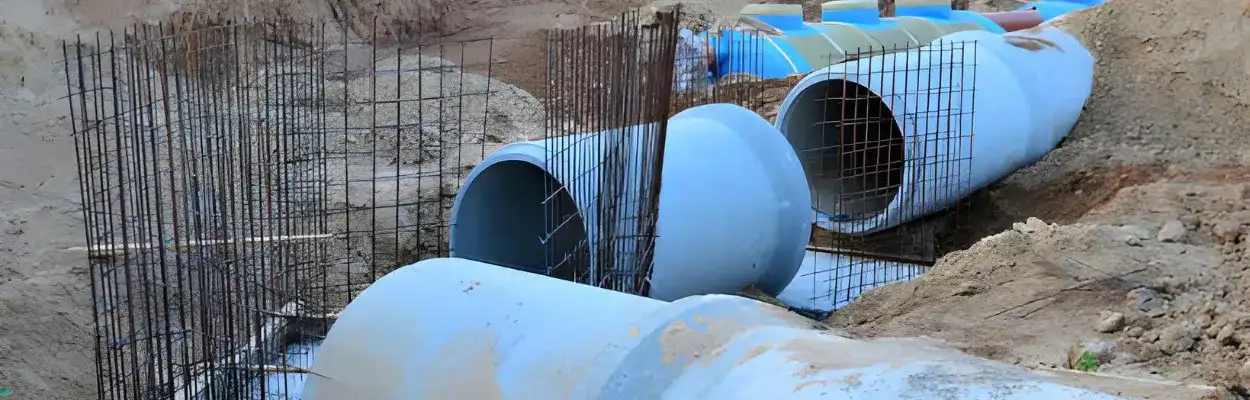
When damage is extensive, or when the pipe’s material, depth, or condition makes trenchless methods impractical, traditional dig-and-replace is sometimes the more reliable option. This involves excavating the affected section, removing the damaged pipe, and installing new pipe before backfilling and restoring the surface above it.
A licensed plumber can walk through which of these methods fits your specific situation after reviewing the camera inspection footage, since the right choice depends on the pipe’s material, depth, location, and the extent of the collapse.
Warning Signs of a Sewer Line That May Be Collapsing
A sewer line usually shows signs of trouble well before it fully collapses.
Multiple Drains Backing Up at Once
If more than one drain backs up around the same time, especially the lowest drains in the house, the problem is likely in the shared main line rather than one clogged fixture.
Gurgling Sounds From Toilets or Drains
Air trapped behind a partial blockage often causes gurgling after a flush. This can be an early sign that the pipe is narrowing due to a developing crack, root growth, or debris buildup.
Persistent Sewage Odor
A steady sewage smell indoors or in a specific part of the yard can mean gas or wastewater is escaping through a break in the line instead of venting properly through the plumbing system.
Soggy or Unusually Green Patches in the Yard
A patch of grass that stays wetter or greener than the rest of the yard, especially if it follows the sewer line’s path, often points to wastewater leaking into the soil from a crack or separation.
Foundation Cracks or Soil Settling Near the Line
Soil erosion caused by an underground leak can eventually affect nearby foundations, showing up as new cracks or noticeable settling close to where the sewer line exits the home.
What to Do If You Suspect a Collapsed Sewer Line
- Limit water use in the home. Reducing water use slows the buildup of wastewater in a compromised line while it’s assessed.
- Avoid pouring chemical drain cleaners down the line. These can mask a structural problem and may further damage certain pipe materials.
- Call a licensed plumber for a camera inspection. A sewer camera lets a professional see the exact location, cause, and extent of the damage before any digging begins.
- Ask whether repair or replacement makes more sense. A single collapsed section may only need a spot repair or trenchless lining, while widespread damage across an aging line often calls for full replacement.
- Document the damage and any related costs. This is useful if you plan to contact your insurance company, even though standard policies often exclude gradual wear.
- Ask for a written estimate that separates diagnosis from repair. This helps you understand exactly what you’re paying for at each stage of the process.
Safety Guidance
Avoid direct contact with sewage backups and stay away from standing wastewater, since it can carry harmful bacteria. Do not attempt to dig near a suspected collapse without a professional utility locate, since gas, water, and electrical lines can run nearby. Diagnosing and repairing a collapsed sewer line is licensed and often permit-required work, so this is a job for a qualified professional rather than a homeowner project.
When to Call a Licensed Plumber
If you’re seeing multiple warning signs, or your home has an aging clay, cast iron, or orangeburg sewer line, a camera inspection is the clearest next step before the problem gets worse. [BUSINESS NAME] can inspect the line, identify the cause of the damage, and walk you through repair or replacement options based on what the camera shows. Call [PHONE NUMBER] or request service online at [BOOKING URL].
Frequently Asked Questions
How do I know if my sewer line has collapsed or is just clogged?
A simple clog usually clears with a plumbing snake or hydro jetting and doesn’t involve structural damage to the pipe. A collapse involves a crushed, separated, or caved-in section, which a camera inspection can confirm. Recurring blockages in the same spot are often a sign of a partial collapse rather than a simple clog.
Can a sewer line collapse without any warning signs?
It’s uncommon. Most collapses develop gradually as the pipe weakens from age, root intrusion, or soil movement, and this process usually produces warning signs like slow drains or odors first. A sudden, no-warning collapse is more likely tied to an external event, like heavy equipment or a burst from nearby construction.
Is a collapsed sewer line an emergency?
Yes. A collapsed line blocks wastewater from draining properly, which can lead to sewage backing up into the home or leaking into the yard. This should be treated as an urgent plumbing issue rather than something to wait on.
Does homeowners insurance cover a collapsed sewer line?
Usually not, unless the collapse was caused by a sudden, covered peril like fire or a falling tree during a storm. Collapses from age, root intrusion, or gradual soil movement are typically excluded, since insurers treat these as maintenance issues rather than sudden damage.
Can tree roots really cause a full pipe collapse on their own?
Yes, especially in older clay or orangeburg pipe with joints or softened walls that roots can exploit. Once roots enter, they continue growing and expanding, which can widen cracks, separate joints, and eventually cause a full collapse if left unaddressed.
How much of the sewer line needs to be replaced after a collapse?
This depends on how much of the pipe is affected. A single collapsed section in an otherwise sound line may only need a localized repair, while a line with multiple weak points or widespread deterioration usually needs full replacement. A camera inspection is the only reliable way to confirm the extent of the damage.
How long does trenchless repair take compared to traditional replacement?
Trenchless methods like pipe lining or pipe bursting are often completed in a single day for a typical residential line, since they don’t require full excavation. Traditional dig-and-replace projects usually take longer, ranging from one to several days depending on the length of the line, depth, and how much surface restoration is needed afterward.