You noticed the stain on the ceiling a few days ago. It hasn’t gotten bigger, so you’ve been telling yourself it’s probably fine.
Maybe it’s a damp cabinet under the sink instead, or a water bill that came in higher than usual with no obvious reason. Some leaks announce themselves clearly. Others stay hidden behind a wall or under a floor for weeks.
One warning sign rarely tells the whole story on its own. This guide walks through ten signs worth paying attention to, which ones can wait for a scheduled visit, and which ones mean you should call for help right away.
Why a Small Plumbing Leak Deserves Attention
Water doesn’t always leak straight down. It can travel along a pipe, follow a wooden stud, or spread across a subfloor before it ever shows up somewhere you can see it.
That means the wet spot on your ceiling might sit several feet away from the actual source. A stain in one corner of a room doesn’t necessarily mean the leak is directly above it.
Left alone, a small leak can waste water, damage cabinets, flooring, or drywall, and lead to fixtures that keep failing in the same spot. Not every small leak turns into a major repair, but catching it early usually costs less than waiting to find out.
10 Signs It Is Time to Call a Plumber
1. Your Water Bill Rises Without a Clear Reason
An unexplained jump in your water bill is often one of the first clues something is wrong. A running toilet, a dripping faucet, a leaking irrigation line, or a worn appliance supply line can all quietly raise your usage.
A hidden pipe leak is also possible, though it’s not the only explanation. Compare your actual water consumption, not just the total dollar amount, since rates can change from one billing period to the next.
Before assuming a leak, think about anything else that changed. Houseguests, extra lawn watering, a longer billing cycle, or a seasonal rate adjustment can all push a bill higher without any leak at all. For a closer look at ruling out these causes, see why your water bill may be unusually high.
2. Your Water Meter Moves When Everything Is Off
This is one of the more reliable checks you can do yourself. Here’s how it works.
- Turn off every faucet, appliance, and irrigation system in the home.
- Confirm no toilets are running or refilling.
- Record your water meter reading, or check its leak indicator if it has one.
- Avoid using any water for 30 minutes to an hour.
- Check the meter again to see if the number changed or the indicator moved.
Meter designs vary from one property to the next, so it’s worth checking current instructions for your specific meter type before you start. If the reading changes with everything off, water is moving somewhere in your system.
3. You Hear Running, Hissing, or Dripping Water
A sound of water moving when nothing should be running is worth noting, even if you can’t immediately find the source. It could be a toilet that won’t fully shut off, a pipe behind a wall, a loose fixture valve, a water heater connection, an irrigation valve stuck partway open, or an evaporative cooler supply line.
Some of this is normal. Appliances cycle water on their own schedule, and that can sound similar to a leak if you’re not used to it.
Instead of opening a wall to investigate, note where the sound is coming from and when you hear it. That detail helps a plumber narrow things down quickly once they arrive.
4. Walls or Ceilings Show Water Stains
Yellow or brown stains, bubbling or peeling paint, soft drywall, sagging material, or damp trim near a ceiling or wall are all signs worth taking seriously, especially if the stain seems to grow after you use water nearby.
The source could be a supply pipe, a drain line, a roof opening, or a fixture located above the stain. It’s not always directly overhead.
If the ceiling is sagging or appears to be holding water, don’t touch or puncture it. Stay clear of the area and call for professional help, since a section like that can give way without warning.
5. A Musty Smell Keeps Returning
A musty smell that keeps coming back, even after you’ve cleaned the area, often points to moisture sitting somewhere you can’t see easily. That could be inside a cabinet, behind drywall, under flooring, or near an appliance.
Smell alone can’t confirm what’s causing it, and it’s not something to try to diagnose from the odor by itself. If you notice visible mold growth or have health concerns related to indoor air quality, it’s worth having the moisture source located and consulting the appropriate professional.
6. A Floor Feels Damp, Loose, Warped, or Unusually Warm
Tile, laminate, wood flooring, and carpet can all show signs of a plumbing problem underneath. Watch for dampness, warping, soft spots, or baseboards that feel wet, especially near a water heater, bathroom, kitchen, or laundry area.
An unusually warm patch of floor can be related to a hot water line running underneath, though warmth by itself doesn’t confirm anything. A slab leak is a leak in a water pipe below or inside a home’s concrete foundation, and it’s one possible explanation among a few others.
Don’t break flooring or concrete to check. That kind of investigation is best left to a plumber with the right equipment for the job.
7. Your Water Pressure Changes Suddenly
A drop in water pressure, whether at one fixture or throughout the whole house, can come from several different sources. A partially closed valve, mineral buildup inside a pipe, utility work nearby, a failing pressure regulator, or a leaking water line are all possibilities.
Low pressure by itself doesn’t necessarily mean a pipe is leaking. But when it shows up alongside a wet area, meter movement, or an unexplained sound of running water, it’s worth having someone take a proper look.
8. A Fixture or Appliance Connection Keeps Leaking
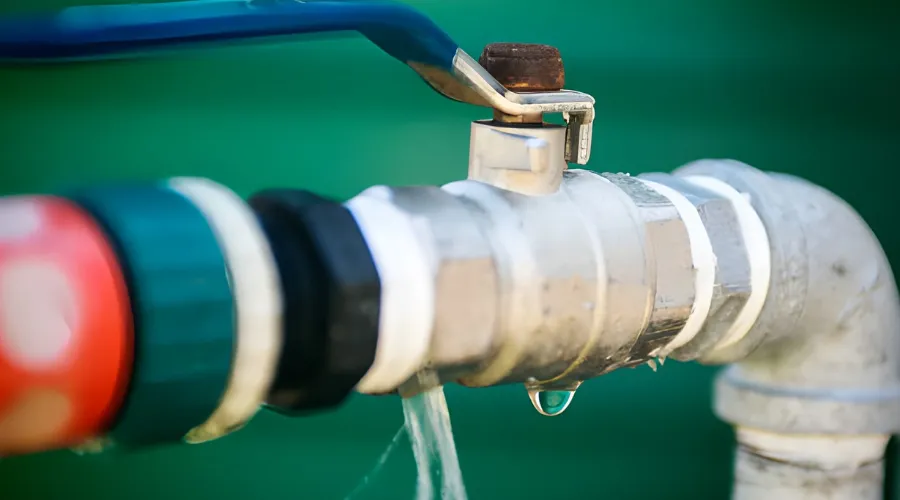
Recurring water around a toilet base, a faucet, an under sink supply line, a washing machine hose, a dishwasher, a refrigerator line, a water heater, a water softener, or an evaporative cooling system usually means the connection itself needs attention, not just another cleanup.
Wiping up the water once doesn’t fix what caused it. And tightening a fitting repeatedly can sometimes damage it further rather than solve the problem. If the same spot keeps getting wet, that connection needs a proper repair, not another towel.
9. The Yard Has a Wet, Soft, or Unusually Green Area
Outside your home, a patch of ground that stays wet, feels unusually soft, or looks greener than the surrounding grass can point to an underground water service line, an irrigation pipe, a drip line, a sprinkler head, a valve box, an outdoor faucet, or a pool or fountain auto fill system.
An underground leak doesn’t always create an obvious puddle. Soil can absorb water for a while before it ever reaches the surface, so a subtle patch is sometimes the only visible clue.
Avoid digging in the area until the source and any underground utilities have been properly identified.
10. The Leak Returns or You Cannot Find Its Source
If a stain, a drip, a puddle, a pressure change, or meter movement keeps coming back after you’ve already dealt with it once, that’s worth a second look. It could mean the original repair didn’t address the full source, more than one connection is leaking, or water is traveling from somewhere else entirely.
Trying another quick fix might hide the symptom again without solving what’s actually causing it. When the source stays unknown after a reasonable effort to find it, a professional inspection is the next sensible step.
Which Plumbing Leak Signs Are an Emergency?
Call for Emergency Plumbing Help Now
Some situations need immediate attention rather than a scheduled visit. These include:
- Water is actively flowing and won’t stop
- A pipe has burst
- A ceiling is sagging or visibly holding water
- Water is near outlets, wiring, an electrical panel, or appliances
- Sewage or contaminated water is present
- A water heater tank is releasing a large amount of water
- The main water line appears to have failed
- The leak is causing rapid, visible damage
If you’re in one of these situations, stay away from standing water near any electrical source, and don’t touch wet electrical equipment. Shut off the water only if the correct valve is easy and safe to reach and you know how to use it. If the area feels unsafe, leave it and contact the appropriate emergency service.
For situations where the plumbing itself needs immediate attention, emergency plumbing help is available.
Schedule a Plumbing Inspection Soon
Other signs are worth addressing without treating them as a middle of the night emergency. These include:
- A slow but recurring drip
- A running toilet
- A higher water bill with no clear cause
- A small leak under a cabinet
- A meter that moves while everything is off
- A stain that keeps coming back
- Mild, unexplained pressure changes
- A damp area in the yard
- A leak source you can’t identify
Not an emergency doesn’t mean it’s fine to ignore. These signs still deserve a scheduled inspection before they turn into something bigger.
What to Do While Waiting for the Plumber
- Turn off the affected fixture’s shutoff valve if it’s easy and safe to reach.
- Use the home’s main shutoff valve only if necessary and safely accessible.
- Stop using the appliance or fixture connected to the leak.
- Move belongings away from the wet area.
- Place a container or towel under a minor drip if it’s safe to do so.
- Take a few photos of the area for your own records.
- Note when the leak happens and which fixtures were in use at the time.
- Check the meter without forcing open a damaged or unsafe box.
- Keep children and pets away from any damaged areas.
- Avoid opening walls, lifting flooring, breaking concrete, or applying a sealant as a permanent fix.
How a Plumber May Locate a Hidden Leak
A plumber typically starts by asking a few questions: when the problem started, what you’ve noticed, and what you’ve already checked. From there, the process usually includes reviewing your water use patterns, checking visible fixtures and connections, testing toilets, and observing the meter.
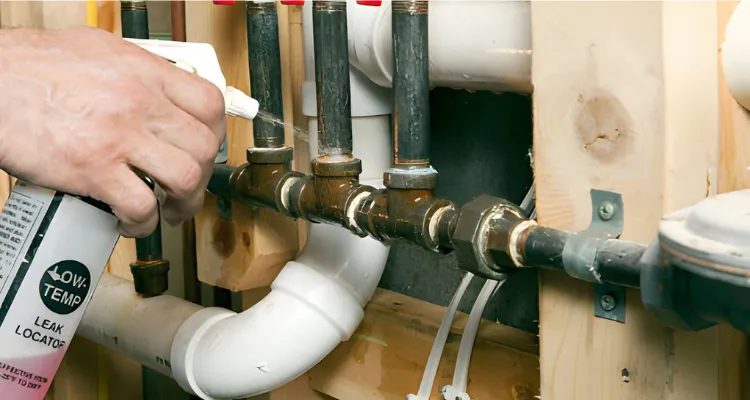
They may isolate sections of the plumbing system to narrow down where water is being lost, inspect the water heater, check pressure throughout the home, and look at irrigation or outdoor lines. Pressure testing and specialized leak detection equipment may come into play depending on the situation.
No single method finds every leak on the first try. A thorough plumber will explain what they found and walk through your repair options before starting any major work, including a closer look with leak detection service when the source isn’t obvious.
How to Reduce the Risk of Another Plumbing Leak
- Review your monthly water use so you notice changes early.
- Check toilets periodically for silent leaks.
- Look under sinks every so often for early signs of moisture.
- Inspect appliance supply hoses for wear or cracking.
- Watch for corrosion or dampness near the water heater.
- Check irrigation lines while they’re running to spot leaks in action.
- Inspect evaporative cooler water lines if your home has one.
- Know where your main shutoff valve is located before you need it.
- Repair recurring drips as soon as you notice them.
- Schedule an inspection if warning signs continue despite your own checks.
None of these steps guarantee you’ll never have another leak, but they do lower the odds of one going unnoticed for long.
When to Call a Plumber
Professional help makes the most sense when a leak keeps returning, the source stays hidden, your meter shows use you can’t explain, water pressure changes throughout the home, or water is already affecting walls, floors, or cabinets. The same goes for anything involving an underground line, a slab leak, or a situation you can’t safely stop yourself.
If you’ve found one of these warning signs, El Paso Plumbing can inspect your plumbing and help identify the source. Call (915) 285-0087 or request service online.
Frequently Asked Questions
How do I know if a water leak is hidden? A hidden leak often shows up through indirect signs rather than a visible puddle, like a higher water bill, a meter that moves with everything off, a musty smell, or a warm spot on the floor. Since these signs can have other causes too, a proper inspection is the only way to confirm it.
Can a small plumbing leak raise my water bill? Yes. Even a small, steady leak, like a silently running toilet or a slow drip, can add up to a noticeable increase over a full billing cycle. It’s still worth ruling out other explanations, like extra outdoor watering or a longer billing period, before assuming a leak is the cause.
Should I turn off my home’s main water valve? Only if it’s safely accessible and you know how to operate it, and only when the situation calls for it, such as an active leak you can’t stop another way. If you’re unsure where the valve is or how it works, it’s safer to wait for a plumber.
Does low water pressure always mean there is a leak? No. Low pressure can come from a partially closed valve, mineral buildup in a pipe, nearby utility work, or a failing pressure regulator, in addition to a leaking line. It’s worth professional attention, especially if it shows up alongside other signs like meter movement or a wet area.
Can a pipe leak under a concrete foundation? Yes. This is called a slab leak, and it happens when a water pipe below or inside the foundation develops a leak. Warning signs can include a warm spot on the floor or unexplained water use, but these signs don’t confirm a slab leak on their own.
When does a plumbing leak become an emergency? A leak becomes an emergency when water won’t stop flowing, a pipe has burst, sewage is present, water is near electrical equipment, or a ceiling is sagging under the weight of trapped water. In these situations, safety comes first, and professional help should be contacted right away.
Can a running toilet be handled without a plumber? Sometimes. A simple worn flapper is something many homeowners can replace themselves. But if the problem keeps coming back, the shutoff valve doesn’t work reliably, or you can’t identify what’s actually causing it, it’s a good idea to have a plumber take a look.