Leak detection typically costs $150 to $600, with most homeowners paying around $250 to $400 per visit. Simple, accessible leaks can cost as little as $75 to locate. Slab leaks, leaks under concrete, or leaks buried deep underground often run $500 to $1,500 or more.
A hidden leak rarely announces itself clearly. Maybe your water bill jumped for no obvious reason, or you noticed a damp patch on the ceiling with no plumbing directly above it. Before anyone can fix the problem, someone has to find it, and that’s a separate job from the repair itself with its own separate cost.
This guide breaks down what leak detection actually costs, what drives the price up or down, and how detection pricing compares across different leak types and methods. It also covers what a typical service visit includes, so you know what you’re paying for before a plumber arrives.
What a Leak Detection Bill Actually Covers
A leak detection service is different from a repair. The plumber’s job is to find the exact source of the leak before anyone touches a pipe. That distinction matters, because the price you’re quoted usually covers diagnosis only, not the fix.
Most leak detection visits include a service call, a visual inspection, and one or more testing methods depending on where the leak seems to be hiding. If the leak turns out to be inside a wall, under a slab, or underground, the plumber may need specialized equipment to confirm the exact spot before any drywall, flooring, or concrete gets opened.
Service Call and Diagnostic Fee
Many plumbers charge a flat diagnostic fee just to show up and start looking. This fee often runs $75 to $150 and may or may not be credited toward the final invoice if you move forward with repairs. Ask about this before scheduling.
Equipment and Testing Time
Basic visual checks cost less because they take less time and no special tools. Acoustic listening devices, thermal imaging cameras, and tracer gas testing add cost because they require trained technicians and equipment that isn’t part of a standard toolbox.
Report and Recommendations
A complete leak detection service ends with a clear explanation of where the leak is, how severe it looks, and what repair options make sense. Some companies include a written report, which can help later if you file an insurance claim.
What Changes the Price of Leak Detection
Leak detection pricing depends on a handful of factors that plumbers weigh before quoting a job. Knowing them helps you understand why one quote looks different from another.
Where the Leak Is Located
A leak behind an accessible wall or under a sink is usually quick and inexpensive to find. A leak beneath a concrete slab, under a driveway, or deep in a yard line takes longer and requires more advanced tools, which raises the cost.
How Hard the Area Is to Reach
Tight crawl spaces, finished basements, and leaks near electrical systems slow the process down. Extra time on site translates directly into a higher bill, even before any repair work starts.
Which Detection Method Is Needed
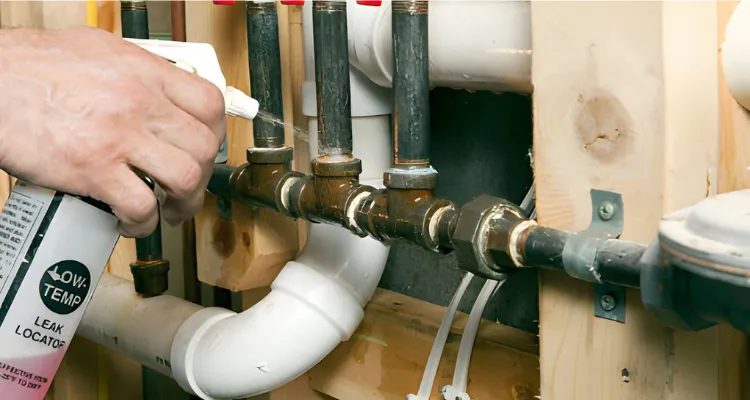
Some leaks show themselves with a simple visual inspection. Others need acoustic equipment that listens for the sound of water escaping a pipe, or tracer gas that’s pushed through the line to find where it’s leaking out. More advanced methods generally cost more per hour.
Size and Type of the Property
A small condo with limited plumbing runs is naturally faster to inspect than a large home with multiple bathrooms, an irrigation system, or a pool. Commercial buildings with longer pipe runs usually cost more to inspect than a typical single-family home.
Emergency or After-Hours Service
Leak detection scheduled during normal business hours costs less than an emergency call at night or on a weekend. If water is actively damaging your home, the urgency may be worth the added cost.
Age and Material of Your Plumbing
Older galvanized steel or cast iron pipes corrode from the inside, which can create pinhole leaks that are harder to isolate than a clean break in newer copper or PEX piping. Homes with original plumbing from several decades ago sometimes take longer to inspect because corrosion can mimic more than one leak point.
Number of Suspected Leak Points
A single, isolated leak is quicker and less expensive to confirm than a situation with multiple damp areas or more than one fixture acting up at once. When several signs point to different parts of the home, a plumber may need to test more than one system before narrowing down the source.
Local Factors That Can Affect Pricing
Leak detection rates aren’t identical everywhere. Labor rates, permit requirements, and even climate can shift the price of a service call from one region to another.
Regional Labor Rates
Plumbing labor costs more in areas with a higher cost of living, and that difference shows up directly in leak detection pricing. A visit that costs $150 in one region might run closer to $300 in a major metro area with higher wages and overhead.
Climate and Seasonal Demand
Freeze-thaw cycles can crack pipes in colder climates, while shifting soil in hot, dry regions can stress underground lines. Both situations tend to increase leak-related service calls during certain seasons, and demand can affect how quickly a plumber is available and what they charge for rush scheduling.
Permit and Code Requirements
Leak detection itself usually doesn’t require a permit, but any resulting repair might, depending on local plumbing code and the scope of the work. Ask your plumber whether your repair falls under local permitting rules before work begins.
Average Leak Detection Cost by Method
The table below shows typical national price ranges for common leak detection methods. Local rates vary by region and by the plumber’s experience level.
| Detection Method | Typical Cost Range | Best Used For |
|---|---|---|
| Visual inspection | $75 – $150 | Visible leaks at fixtures, connections, or exposed pipe |
| Acoustic (listening device) | $150 – $400 | Leaks inside walls or under floors |
| Thermal imaging | $200 – $500 | Temperature differences from hidden water leaks |
| Tracer gas detection | $250 – $600 | Leaks in inaccessible or buried pipe sections |
| Video pipe inspection | $250 – $700 | Leaks or damage inside sewer or drain lines |
| Pressure testing | $150 – $350 | Confirming a leak exists before further diagnosis |
Average Leak Detection Cost by Leak Type
Cost also depends on what kind of leak the plumber is trying to locate. A leak under a slab foundation is a different job than a leak in an outdoor irrigation line.
| Leak Type | Typical Detection Cost | Notes |
|---|---|---|
| Fixture or faucet leak | $75 – $200 | Usually visible or easy to isolate |
| Toilet or supply line leak | $75 – $200 | Often confirmed with a simple dye or meter test |
| Slab leak | $500 – $1,500+ | Requires acoustic or tracer gas equipment |
| Underground or yard line leak | $300 – $1,000 | May involve locating equipment and excavation planning |
| Pool leak | $300 – $1,000 | Cost rises for inground pools with complex plumbing |
| Appliance supply leak | $100 – $250 | Washing machines, dishwashers, water heaters |
These figures reflect general industry ranges and are not a quote. A plumber can only give an accurate number after seeing the property.
What’s Typically Included at Different Price Points
Leak detection pricing tends to fall into a few general tiers, and understanding what each one covers can help you judge whether a quote matches the work involved.
Basic Tier
A basic leak detection visit usually covers a visual inspection, a check of exposed plumbing, and a simple pressure or dye test. This tier fits situations where the leak is likely visible or close to the surface, such as a running toilet or a leaking supply line under a sink.
Mid-Range Tier
Mid-range service adds acoustic listening equipment or a more thorough walkthrough of the property, including areas like crawl spaces or utility closets. This tier usually applies when the leak isn’t visible but also isn’t deeply buried or behind a slab.
Advanced Tier
Advanced leak detection uses thermal imaging, tracer gas, or video pipe inspection equipment to locate leaks in slabs, underground lines, or complex plumbing systems. This tier costs more because it requires specialized tools and more time on site, but it’s often the only reliable way to find these types of leaks without unnecessary digging or demolition.
DIY Leak Detection vs. Professional Detection
Homeowners can catch some leaks on their own with basic tools. A water meter check, food coloring in the toilet tank, or a simple moisture meter can confirm that a leak exists. These tools usually cost $15 to $50.
DIY methods work for obvious, accessible leaks. They fall short once a leak is hidden behind a wall, under a slab, or buried in a yard line. At that point, guessing where to cut into drywall or dig into a yard can cause damage without solving the problem.
Professional leak detection costs more upfront, but it replaces guesswork with equipment built to confirm an exact location. That matters most when the alternative is opening multiple sections of wall or flooring to search by hand.
When DIY Checks Make Sense
A DIY check makes sense as a first step, not a final answer. Turning off every fixture in the house and watching your water meter for movement is a reasonable way to confirm a leak exists before calling anyone. If the meter moves with everything off, you likely have a leak somewhere in the system.
When to Stop and Call a Professional
Stop the DIY approach once you’ve confirmed a leak but can’t see where it is. Cutting into drywall, tile, or concrete without knowing the exact leak location often causes more damage and cost than the original leak. This is also true underground, where digging in the wrong spot can hit other utility lines.
Leak Detection and the Repair Process
Leak detection and leak repair are billed separately in most cases, and it helps to understand how the two connect.
What Happens After the Leak Is Found
Once a plumber confirms the leak’s location, they’ll typically explain the repair options available, which might range from a spot repair to a full pipe replacement depending on the pipe’s age and condition. Some companies fold the diagnostic fee into the repair invoice if you move forward with them the same day.
Getting a Repair Estimate Alongside Detection
Ask for a written repair estimate at the same visit, if possible, so you can compare the total project cost rather than just the detection fee. This also gives you a chance to ask about repair versus replacement, since a pipe with multiple weak points nearby may not be worth patching more than once.
Why Waiting Usually Costs More Than the Detection Itself
A leak found early is almost always cheaper to fix than one left running. Water that sits behind a wall or under a slab for weeks can damage framing, flooring, insulation, and drywall, turning a plumbing repair into a larger restoration project.
The detection fee itself is a small part of the total cost picture. The real savings come from finding the leak before it causes secondary damage that a standard plumbing repair doesn’t cover.
When a Leak Affects Your Water Bill
An unexplained jump in your water bill is one of the clearest signs of a hidden leak. Comparing your current bill to past months, or checking your water meter when no fixtures are in use, can help confirm whether a leak is likely before you schedule a service call.
When Insurance May Help
Some homeowners insurance policies cover sudden water damage but not the cost of ongoing, gradual leaks that went unnoticed. Coverage details vary by policy and insurer, so it’s worth checking your specific policy language before assuming a claim will be approved. [FACT CHECK REQUIRED BEFORE PUBLICATION]
Questions to Ask Before Scheduling
Getting an accurate leak detection quote is easier when you ask a few direct questions upfront.
- Is the service call fee applied toward repair costs if I move forward
- Which detection method will you use for my situation
- Is the quote a flat rate or an hourly rate
- Will I get a written report of what you find
- Do you handle the repair as well, or only the diagnosis
Clear answers to these questions help you compare quotes accurately instead of comparing numbers that cover different amounts of work.
When to Call a Professional
Some situations call for professional leak detection right away rather than a wait-and-see approach.
Call a plumber if your water bill has risen without an obvious reason, if you hear running water when everything is off, if you notice warm spots on the floor, or if you see unexplained moisture, staining, or a musty smell. A licensed plumber can determine whether the issue is a leak, and if so, exactly where it’s coming from before any repair work begins.
Avoid cutting into walls, breaking concrete, or digging near underground utility lines on your own. These tasks carry real risk of injury or additional damage, and in many areas, work near gas lines or main utility connections requires a licensed professional.
If you smell gas at any point during your search for a leak, leave the property immediately and contact your gas utility or emergency services from a safe location. Never attempt to locate or investigate a suspected gas leak yourself.
What to Do While You Wait for a Plumber
If you can safely reach it, shutting off the main water valve can limit further damage while you wait for a scheduled appointment. Avoid standing in or near pooled water close to outlets, appliances, or electrical panels, since water and electricity together create a serious shock hazard.
Frequently Asked Questions
How much does it cost to find a water leak?
Most leak detection services cost between $150 and $600, with a typical job landing around $250 to $400. Simple, visible leaks can cost less, while leaks under concrete slabs or buried underground often cost more due to the equipment and time required.
Is leak detection covered by homeowners insurance?
It depends on the policy. Many policies cover sudden, accidental water damage but exclude damage from leaks that developed slowly over time. Check your specific policy or ask your insurer directly, since coverage terms vary widely between providers.
Does the leak detection fee count toward the repair cost?
Some companies apply the diagnostic fee toward the repair if you hire them for the fix. Others charge it separately no matter what. Ask this question before scheduling so there are no surprises on the final invoice.
Can I find a leak myself without paying for detection?
You can check for obvious leaks using your water meter, a simple moisture meter, or food coloring in a toilet tank. These checks work well for visible or easily accessible leaks but won’t locate leaks hidden behind walls, under floors, or underground.
Why does slab leak detection cost more than other leak detection?
Slab leaks require specialized acoustic or tracer gas equipment to pinpoint a leak location without breaking up the entire foundation. That equipment, along with the added time and expertise needed, typically pushes the cost to $500 or more.
What’s the difference between leak detection and a plumbing inspection?
A general plumbing inspection reviews the overall condition of your pipes, fixtures, and water heater, even if nothing is currently leaking. Leak detection is a targeted service focused on finding one confirmed or suspected leak. Some companies combine both if you request a broader checkup.
How long does a leak detection appointment usually take?
A straightforward visual inspection can take under an hour. Leaks requiring acoustic equipment, thermal imaging, or tracer gas testing often take one to three hours, depending on the size of the property and how well-hidden the leak is.
Will I need a permit for leak detection?
Leak detection itself typically doesn’t require a permit since no repair work happens during the diagnostic visit. If the leak turns out to need excavation or structural repair, your plumber can tell you whether local permitting rules apply. [FACT CHECK REQUIRED BEFORE PUBLICATION]
Getting an Accurate Quote for Your Situation
Leak detection costs vary enough that a phone estimate is only a starting point. If you’re dealing with an unexplained water bill increase, damp spots, or the sound of running water with everything off, El Paso Plumbing can send a licensed plumber to inspect the problem and explain what detection method fits your situation. Call (915) 285-0087 or request service online to schedule an inspection.