Water can begin affecting a foundation within 24 hours of exposure, with mold and material breakdown starting by 48 to 72 hours. Serious structural damage, like cracking or wall bowing, usually develops over weeks to months, though severe flooding can cause harm within days.
Foundation damage from water rarely happens all at once. It builds in stages, starting with something as ordinary as a small crack, a clogged gutter, or a slow plumbing leak near the slab, including a slab leak or a leaking supply line. The tricky part is that most of this damage happens out of sight, so by the time it’s visible, the problem has often been developing for a while.
This article breaks down the real timeline of water-related foundation damage, from the first hours of exposure to the point where structural repair becomes necessary. It also covers what speeds the process up, what slows it down, and the early signs worth watching for before damage spreads further.
Why Foundations Are Vulnerable to Water
Concrete looks solid, but it’s porous at a microscopic level, which means water can work its way in even without a visible crack. Once moisture gets into that pore structure, it doesn’t just sit there. It can freeze and expand in cold weather, react with materials inside the concrete, or create a path for more water to follow.
The Role of Concrete’s Porosity
Water moving through tiny pores in concrete gradually breaks down the material’s internal structure. Over time, this process, sometimes visible as a white, chalky residue called efflorescence, can weaken the concrete enough that small cracks form and slowly widen.
The Role of Surrounding Soil
Soil around a foundation isn’t a passive bystander. Certain soil types, especially clay, expand when saturated with water and contract as they dry out. That constant swelling and shrinking puts pressure on the foundation walls, which can accelerate cracking that wouldn’t otherwise happen from water alone.
The Role of the Foundation Type
Slab, crawl space, and basement foundations each handle water differently. A basement foundation has more below-grade wall surface exposed to soil moisture and hydrostatic pressure, while a slab foundation is more likely to be affected by plumbing lines running underneath it. Crawl space foundations sit somewhere in between, often vulnerable to ground moisture and poor ventilation rather than direct water pressure.
The Foundation Water Damage Timeline
While every situation is different, water-related foundation damage tends to follow a general pattern. The table below outlines what typically happens at each stage of continuous exposure.
| Time Since Water Exposure | What Typically Happens |
|---|---|
| Within 24 hours | Water begins soaking into porous materials. Drywall and untreated wood may start absorbing moisture |
| 24 to 48 hours | Mold growth can begin in damp, poorly ventilated areas. Wood may start to warp |
| 48 to 72 hours | Material breakdown accelerates. In severe cases, structural stress can appear this quickly |
| 1 to 2 weeks | Visible cracking, uneven floors, or wall bowing may begin if exposure continues |
| Several weeks to months | Concrete deterioration, spalling, and soil erosion around the foundation become more pronounced |
| Months to years | Long-term structural settling, major cracking, or foundation shifting can develop from sustained, untreated exposure |
[FACT CHECK REQUIRED BEFORE PUBLICATION] These ranges reflect general patterns reported across foundation repair and restoration sources and can vary significantly based on the factors below.
Why the Timeline Isn’t Exact
No two foundations experience water exposure the same way, which is why these ranges are presented as general patterns rather than a fixed countdown. A newer foundation with intact waterproofing may hold up far longer than these ranges suggest, while an older foundation with existing cracks can move through the same stages faster. Treat the table as a way to understand the general progression, not a precise prediction for your specific home.
What Speeds Up Foundation Water Damage
Several conditions can push a foundation toward the faster end of this timeline.
Volume and Force of Water
A slow, steady leak behaves differently than a sudden flood or a burst pipe near the foundation. Large volumes of water arriving quickly, such as from a heavy storm or a major plumbing failure, can overwhelm a foundation’s ability to shed water and accelerate every stage of the timeline.
Soil Type Around the Foundation
Expansive clay soils swell dramatically when wet and shrink when dry, creating repeated stress cycles that speed up cracking. Sandy or well-draining soil tends to move water away from the foundation faster, which can slow the damage process compared to dense clay.
Climate and Freeze-Thaw Cycles
In regions with cold winters, water that seeps into a crack can freeze, expand, and widen that crack further. Repeated freeze-thaw cycles over a single season can do more damage than the same amount of water exposure in a milder climate.
Foundation Age and Condition
An older foundation with existing hairline cracks or aging waterproofing is more vulnerable than a newer foundation in good condition. Once water finds an existing weak point, it tends to exploit that path rather than needing to break through solid material first.
Drainage and Grading Around the Home
Gutters that dump water right next to the foundation, or a yard that slopes toward the house instead of away from it, keep water in contact with the foundation longer than proper drainage would. This ongoing exposure, even from routine rainfall, can add up over time.
Waterproofing Condition
A foundation with intact exterior waterproofing and a working drainage system is designed to keep most water away from the concrete in the first place. Once that waterproofing degrades, whether from age or from the original installation wearing down, the foundation loses a layer of protection it was relying on, which can shift the whole timeline toward the faster end.
Common Sources of Foundation Water Exposure
Water doesn’t need to come from a single dramatic event to threaten a foundation. Several everyday sources contribute to the problem.
Poor Exterior Drainage
Clogged gutters, downspouts that empty too close to the house, or a yard that slopes the wrong way can direct rainwater straight toward the foundation instead of away from it. This is one of the most common and most preventable sources of ongoing foundation moisture.
Plumbing Leaks Near the Foundation
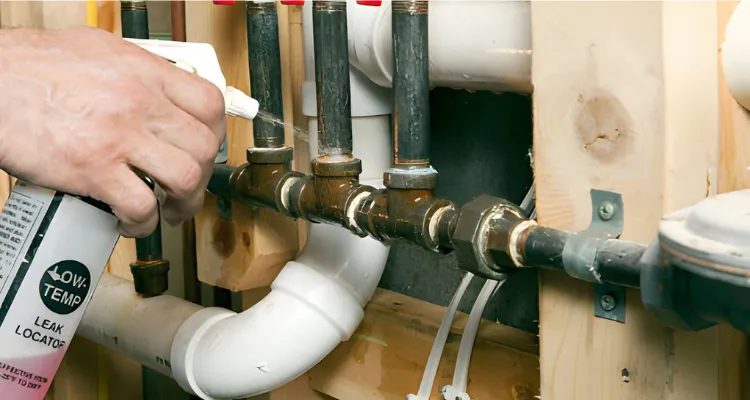
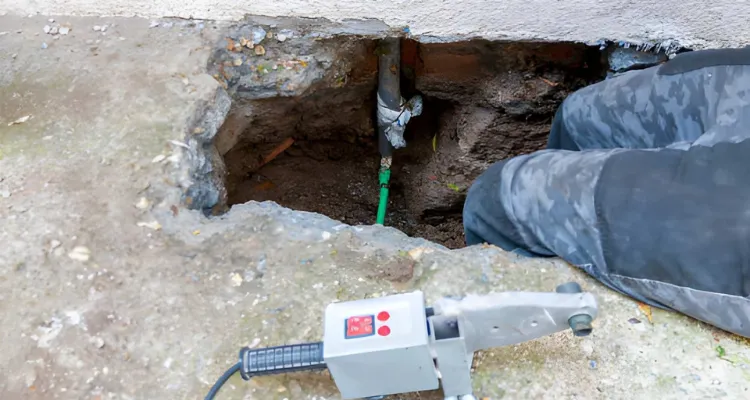
A leak in a supply line, drain line, or slab-level pipe can introduce water directly against or under the foundation without any visible sign at first. Underground pipe leak signs covers the warning signs of this type of leak in more detail.
High Water Table or Groundwater
In areas with a naturally high water table, groundwater can press against a foundation from below, especially after heavy rain or seasonal snowmelt. This type of exposure is harder to control through surface drainage alone and often requires a dedicated waterproofing or drainage solution.
Flooding or Severe Storms
A significant storm event can introduce a large volume of water against a foundation in a short window of time, which is why flooding is associated with some of the faster damage timelines. Standing floodwater around a foundation for even a day or two can cause more damage than months of routine rain exposure.
Irrigation and Landscaping Choices
Sprinkler heads or drip irrigation lines positioned too close to the foundation can keep the soil around it consistently damp, even in a climate that doesn’t get much rain. Garden beds built directly against the foundation wall, especially ones that hold mulch or soil above the foundation’s waterproofing line, can trap moisture against the concrete in a similar way.
Warning Signs of Foundation Water Damage
Catching these signs early gives you the best chance of limiting how much of the timeline above actually plays out.
Cracks in Walls or the Foundation Itself
Hairline cracks are common in most foundations and aren’t automatically a sign of water damage, but cracks that are widening, horizontal, or accompanied by dampness deserve a closer look. A crack that’s actively letting water through is a clear sign that moisture has already found a path inside.
Efflorescence or White Residue
A white, powdery residue on concrete or masonry is a sign that water has been moving through the material and left mineral deposits behind as it evaporated. Efflorescence alone isn’t structural damage, but it does confirm that water intrusion is happening.
Musty Odors or Visible Mold
A persistent musty smell in a basement or crawl space, especially one that doesn’t go away with ventilation, often points to ongoing moisture rather than a one-time event. Visible mold on framing, insulation, or stored items nearby is a stronger confirmation.
Bowing or Leaning Walls
A foundation wall that’s starting to bow inward is a sign that pressure from saturated soil outside is pushing against the structure. This is a more advanced sign of damage and typically means the exposure has been ongoing for some time.
Uneven or Sloping Floors
Floors that feel uneven, doors and windows that stick or no longer close properly, and visible gaps around trim can all point to a foundation that’s settling unevenly, often due to soil movement from sustained water exposure.
Musty Basement or Crawl Space Air
Even without visible mold, air that consistently smells damp or stale in a basement or crawl space is worth paying attention to. This can be an early indicator of moisture problems before more obvious signs, like cracking or bowing, ever appear.
How to Slow or Stop the Damage
If you suspect water is affecting your foundation, a few immediate steps can help limit further exposure while you arrange a professional inspection.
Address the Water Source First
Fixing the underlying cause, whether that’s a clogged gutter, poor grading, or a suspected plumbing leak, matters more than any cosmetic fix. Patching a crack without addressing why water is reaching that area usually means the same problem returns.
Improve Drainage Where Possible
Clearing gutters, extending downspouts further from the foundation, and adjusting soil grading so it slopes away from the house are practical steps most homeowners can handle without professional help. These changes reduce how much water sits against the foundation after every rain.
Limit Water Use if a Leak Is Suspected
If you suspect a plumbing leak is contributing to foundation moisture, reducing water use and shutting off the affected line, if it’s safe to reach, can limit how much additional water reaches the area while you wait for an inspection.
Document What You See
Taking photos of cracks, water stains, or damp areas as soon as you notice them gives you a reference point to compare against later. If the situation is being reviewed for an insurance claim or a professional repair estimate, having a timeline of when signs first appeared can be genuinely useful.
When Professional Repair Becomes Necessary
Not every sign of moisture requires major structural work, but certain situations call for a professional assessment rather than a wait-and-see approach.
Signs That Need Immediate Attention
Bowing or leaning walls, active water intrusion through a crack, or a foundation that’s visibly shifted call for prompt professional evaluation. These signs suggest the damage has moved beyond surface-level moisture and into the structure itself.
What a Professional Assessment Typically Involves
A foundation specialist or structural engineer will typically inspect visible cracks, check for signs of settling, and assess drainage conditions around the property before recommending a repair approach. If a plumbing leak is suspected as the water source, a plumber may need to confirm and repair that separately before foundation repair can move forward. [LINK: SLAB LEAK REPAIR TIMELINE PAGE] explains what that separate process typically involves.
Expect the assessment to include questions about when signs first appeared, whether the property has flooded or had drainage issues in the past, and what the surrounding grading and gutter setup looks like. These details help narrow down whether the cause is exterior water, a plumbing issue, groundwater pressure, or some combination of the three.
Why Addressing the Cause Matters as Much as the Repair
Repairing a foundation crack without fixing the water source behind it often means the same damage returns within a relatively short time. A thorough assessment should identify both the visible damage and the reason water reached that area in the first place.
What Repair Options Typically Look Like
Depending on what the assessment finds, repair might involve sealing and patching a crack, installing or improving exterior waterproofing, adding interior drainage to manage water that’s already getting in, or in more advanced cases, underpinning to stabilize a foundation that’s shifted. The right option depends heavily on the cause identified during the inspection, which is part of why an accurate diagnosis matters more than jumping straight to a fix.
Safety Guidance Around Foundation Water Damage
A few precautions matter if you’re investigating suspected foundation water damage yourself.
Avoid entering a crawl space or basement with standing water near an electrical outlet, panel, or wiring, since water and electricity together create a serious shock hazard. If mold is visible, avoid disturbing it without protective equipment, since airborne mold spores can affect indoor air quality and pose a health risk to household members with allergies or respiratory conditions. Structural cracks, bowing walls, or any sign that a foundation may be actively failing should be evaluated by a professional before anyone spends significant time in the affected area.
Frequently Asked Questions
How long does it take for water to damage a foundation?
Water can begin affecting a foundation within 24 hours, with mold and material breakdown starting within 48 to 72 hours. Serious structural damage typically develops over weeks to months, though severe flooding or a large existing crack can cause significant harm within days.
Can a foundation repair itself if water exposure stops?
No. Once concrete has cracked or weakened from water exposure, it won’t heal on its own, even if the water source is fixed. Stopping the water source prevents further damage, but existing cracks or structural weakening still need to be assessed and repaired separately.
Does rain alone damage a foundation, or does it need to pool?
Both can contribute, but pooling water in direct, prolonged contact with the foundation tends to cause more damage than rain that drains away quickly. Poor grading or clogged gutters that let water collect near the foundation are common reasons routine rain becomes a bigger problem than it should be.
How do I know if foundation cracks are from water damage or normal settling?
Hairline cracks from normal settling are common and typically don’t let water through. Cracks associated with water damage are more likely to be widening, horizontal, or accompanied by dampness, efflorescence, or a musty smell nearby.
Is foundation water damage covered by homeowners insurance?
It depends on the policy and the cause. Many policies cover sudden, accidental water damage but exclude damage caused by long-term seepage, poor drainage, or lack of maintenance. Review your specific policy or contact your insurer directly, since terms vary between providers. [FACT CHECK REQUIRED BEFORE PUBLICATION]
Can a plumbing leak alone cause foundation damage?
Yes. A leak near or under a foundation, including a slab leak or a leaking supply line, can introduce sustained moisture even without any exterior drainage problem. This type of leak often needs to be confirmed and repaired before foundation damage can be properly addressed.
Does foundation water damage always come with visible warning signs?
Not always, especially in the early stages. Water can be absorbed into porous concrete or affecting soil beneath a slab before any crack, stain, or odor becomes noticeable. This is one reason routine inspections after heavy storms or known plumbing issues are worth doing even without an obvious sign yet.
What’s the fastest way foundation damage can occur?
Severe flooding or a large volume of water arriving quickly, such as from a major storm or a burst pipe near the foundation, can cause significant damage within 72 hours in extreme cases. Most foundation damage, however, develops more gradually over weeks, months, or years of smaller, ongoing exposure.
Getting an Inspection for Suspected Foundation Water Damage
If you’re seeing cracks, dampness, or other signs described here, El Paso Plumbing can inspect your property, help determine whether a plumbing leak is contributing to the moisture, and connect you with the right next step for repair. Call (915) 285-0087 or request service online to schedule an inspection.